
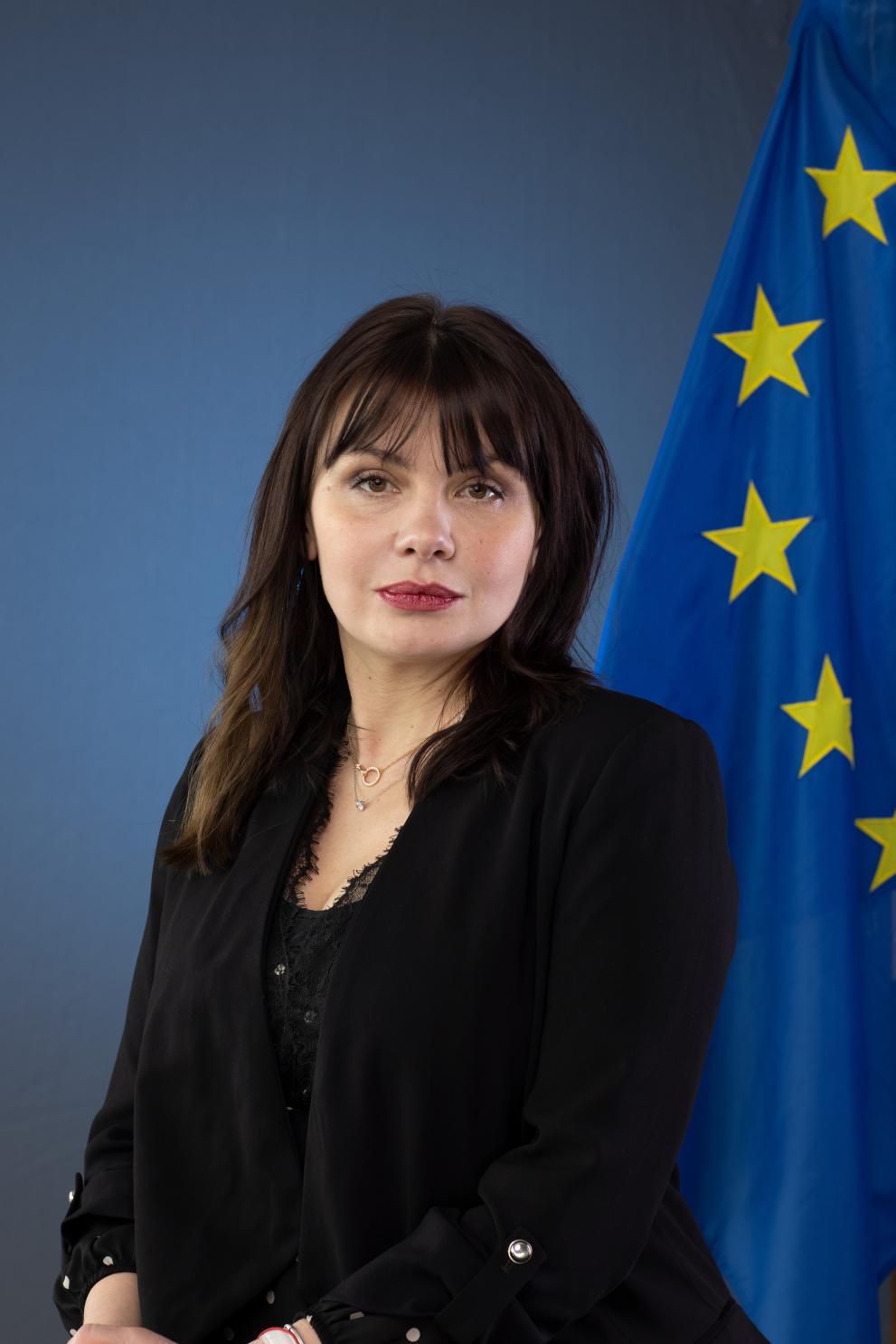
A high-stakes confrontation between the European Public Prosecutor’s Office (EPPO) and a high-ranking Bulgarian official has sent shockwaves through the European judicial landscape. Teodora Georgieva, a Bulgarian representative within the EPPO, has entered into a public and bitter dispute with European Chief Prosecutor Laura Kövesi, following the initiation of disciplinary proceedings against her.
The conflict, which centers on allegations of professional misconduct and questions regarding judicial independence, has escalated beyond internal administrative channels. Georgieva has publicly challenged the narrative presented by the EPPO leadership, asserting that the allegations of government interference in her appointment are unfounded and accusing Chief Prosecutor Kövesi of misrepresenting the facts.
At the heart of the matter is a series of allegations concerning Georgieva’s conduct during her selection process for the role of Bulgarian representative. The dispute threatens to complicate the EPPO’s mission to fight fraud and corruption within the European Union, particularly in a member state like Bulgaria, where judicial integrity remains a subject of intense scrutiny.
A Clash of Allegations: The EPPO Disciplinary Proceedings
The formal dispute began when European Chief Prosecutor Laura Kövesi announced disciplinary proceedings against Georgieva. In a formal communication addressed to the Bulgarian Judges Association, Kövesi outlined the necessity of the investigation, citing the need to protect the “core values” and the “institutional reputation” of the European Public Prosecutor’s Office.

According to the official communication from the EPPO, the proceedings were initiated due to the “seriousness of the possible violation.” The Chief Prosecutor emphasized that maintaining the integrity of the office is paramount to ensuring the effectiveness of its ongoing investigations across the EU. As a direct consequence of these proceedings, Georgieva has been suspended from her official duties until the investigation reaches a conclusion.
Kövesi has maintained that the independence of European Prosecutors is non-negotiable. In her letter, she stated that “unquestionable independence is an essential requirement” for both the initial appointment of these officials and their ability to execute their mandates without external influence. The suspension marks a significant moment for the EPPO, as it highlights the rigorous—and often controversial—internal mechanisms used to police the independence of its staff.
The “Eight Dwarfs” Incident: A Meeting Under Scrutiny
The catalyst for the disciplinary action appears to be an alleged meeting involving Georgieva that took place during the critical selection phase for the Bulgarian candidate for the European Prosecutor. The investigation is reportedly centered on video recordings that surfaced, purportedly showing Georgieva in a meeting with Petyo Petrov, a former investigator who is currently wanted by authorities.
The meeting reportedly occurred at a restaurant known as “Eight Dwarfs.” The presence of Petrov—an individual whose legal status has drawn significant attention—is at the center of the EPPO’s concerns regarding potential breaches of professional ethics and the appearance of impropriety. The investigation seeks to determine whether this meeting constituted a violation of the strict standards of conduct required of a representative of the European Public Prosecutor’s Office.
For the EPPO, the concern is not merely the meeting itself, but what it implies about the independence of the appointment process. If a candidate for a high-level prosecutorial role is found to have engaged in undocumented or questionable meetings with controversial figures during their selection, it calls into question the legitimacy of their mandate and the impartiality of the office they represent.
Denials and Counter-Accusations: Georgieva’s Defense
Teodora Georgieva has not remained silent in the face of these allegations. In a sharp rebuttal, she has denied that there was any pressure from the Bulgarian government to secure her appointment. Georgieva has gone a step further, directly accusing Chief Prosecutor Laura Kövesi of being untruthful regarding the circumstances of her selection.
Georgieva’s defense rests on the assertion that her appointment was a legitimate process and that the claims of political interference are a fabrication. By framing the issue as a matter of Kövesi’s honesty, Georgieva has shifted the battleground from a question of her own professional conduct to a question of the EPPO leadership’s credibility. This counter-offensive suggests that the legal battle will not only focus on the “Eight Dwarfs” meeting but also on the motivations behind the disciplinary action itself.
The tension between the two women reflects a deeper struggle within the Bulgarian judicial system. While the EPPO seeks to impose strict European standards of independence, the defense argues that these standards are being weaponized or misrepresented to discredit officials. This clash of narratives leaves the Bulgarian public and the wider European community with two irreconcilable versions of the same events.
Implications for European Judicial Independence
The fallout from the Georgieva-Kövesi dispute extends far beyond the borders of Bulgaria. It touches upon the very foundation of how the European Union manages its most sensitive legal institutions. The EPPO is tasked with defending the EU’s financial interests, a role that requires absolute trust from both member states and the European institutions.
If the disciplinary proceedings find Georgieva guilty of misconduct, it may serve as a powerful reinforcement of the EPPO’s commitment to zero tolerance regarding political influence. Conversely, if the proceedings are perceived as politically motivated or based on flawed premises, they could undermine the authority of the Chief Prosecutor and weaken the perceived legitimacy of the EPPO’s investigations in Eastern Europe.
the case highlights the challenges of managing cross-border judicial officials. The intersection of national political dynamics and European institutional mandates creates a complex environment where every action is subject to intense scrutiny. As the investigation unfolds, the international legal community will be watching closely to see how the EPPO balances its internal disciplinary powers with the need to maintain the trust of the member states it serves.
Key Takeaways
- Suspension: Teodora Georgieva, a Bulgarian representative for the EPPO, has been suspended from office pending disciplinary proceedings.
- The Allegation: The investigation stems from alleged video recordings of a meeting at the “Eight Dwarfs” restaurant with wanted former investigator Petyo Petrov.
- EPPO Position: Chief Prosecutor Laura Kövesi argues the proceedings are necessary to protect the office’s core values and institutional reputation.
- Georgieva’s Defense: Georgieva denies all claims of government pressure regarding her appointment and has accused Kövesi of providing false information.
- Institutional Impact: The case raises critical questions about the independence of European prosecutors and the integrity of the appointment process.
The next significant development in this case will be the conclusion of the internal disciplinary proceedings within the EPPO. The findings of this investigation will determine whether Georgieva is reinstated or faces further legal or professional consequences, and will likely set a precedent for how the office handles allegations of political interference in the future.
What are your thoughts on the impact this could have on EU judicial integrity? Let us know in the comments below and share this story with your network.