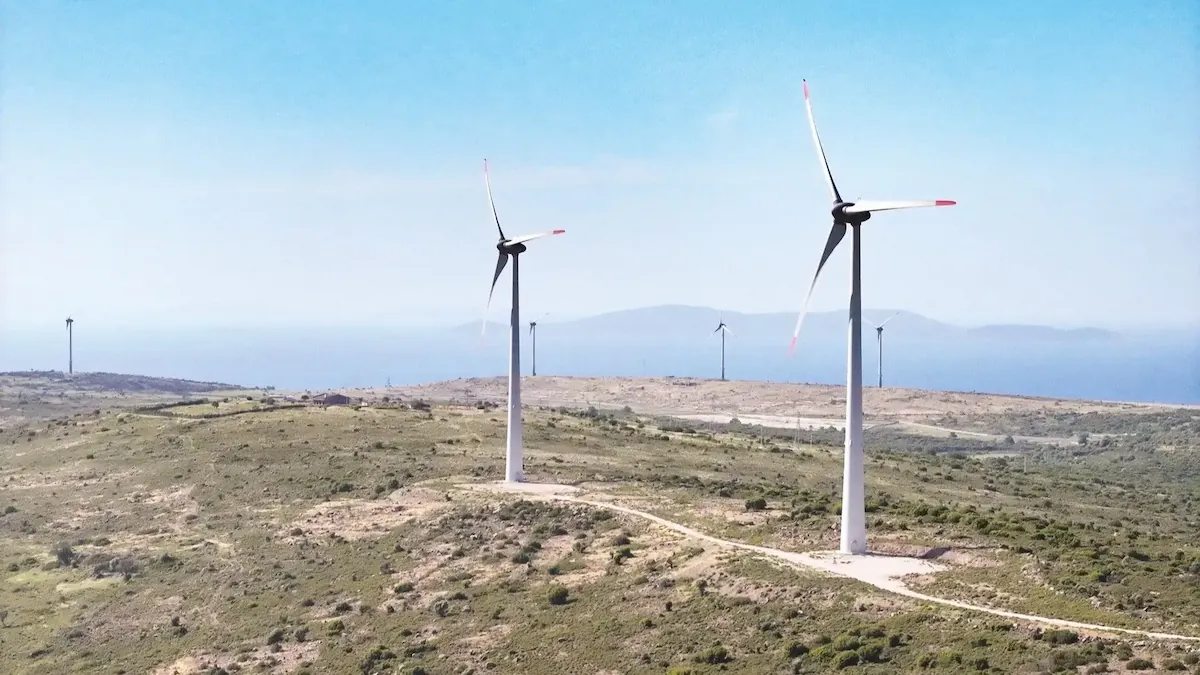
The World Bank has approved a $400 million financing package to bolster Turkey’s renewable energy infrastructure and enhance the country’s energy security. This initiative, formalized through two results-based loans, is designed to address systemic bottlenecks in the national power grid and expand the integration of wind and solar energy sources. According to official statements from the World Bank, the funding aims to support the country’s goal of reaching net-zero emissions by 2053.
The financing is structured to provide liquidity to local development banks, which will in turn distribute the capital to private sector projects focused on renewable energy generation and energy efficiency. By targeting these financial intermediaries, the program seeks to mitigate the high upfront costs currently hindering small-to-medium-scale green energy developers. This move aligns with Turkey’s broader National Energy Plan, which projects a significant increase in installed capacity for wind and solar power over the next decade.
Strategic Objectives of the Renewable Energy Program
The core objective of this $400 million investment is to alleviate constraints within the Turkish electricity grid that have historically limited the uptake of intermittent renewable sources. The World Bank emphasizes that the program is not merely about capacity expansion but also about grid modernization. By financing improvements in transmission and distribution infrastructure, the project enables the grid to accommodate a higher influx of variable renewable energy without compromising stability.
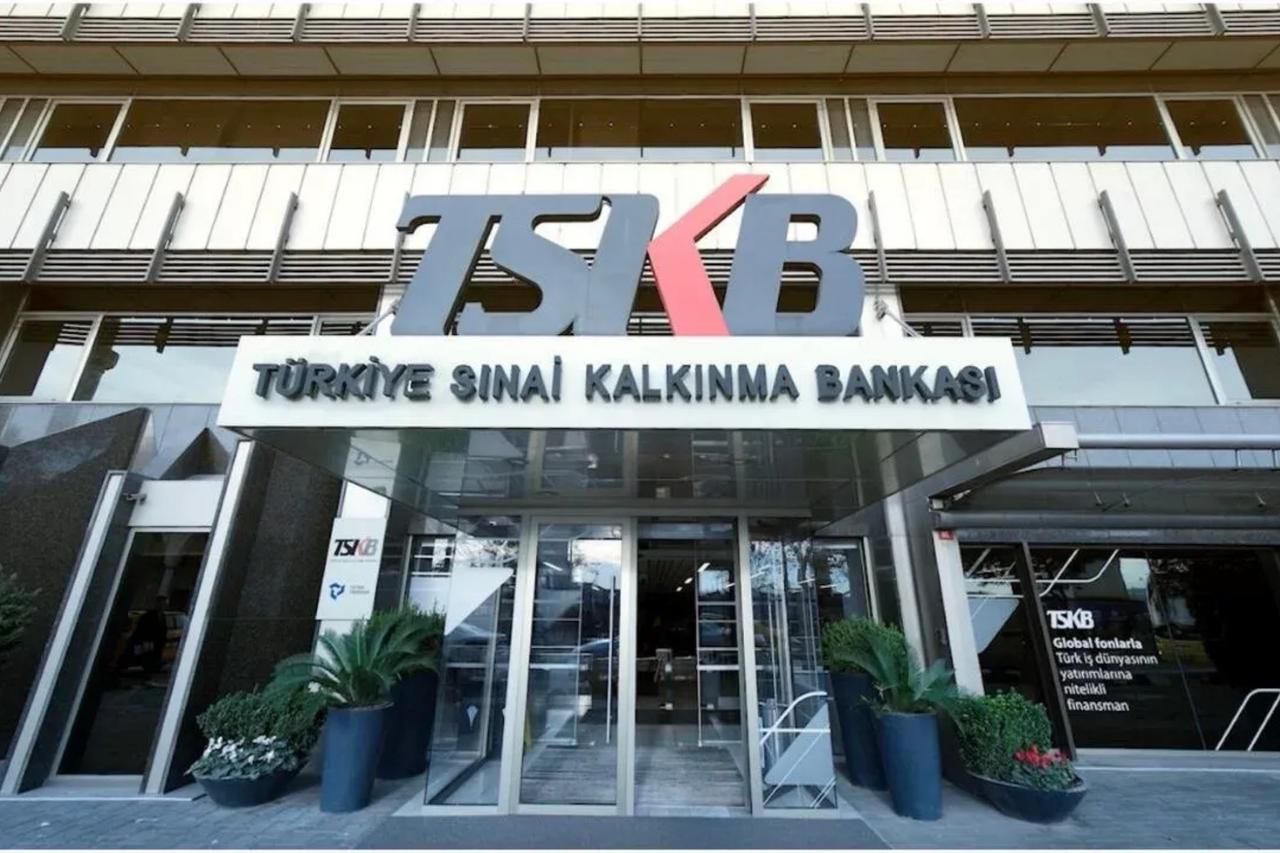
Financial intermediaries, specifically the Industrial Development Bank of Turkey (TSKB) and the Development and Investment Bank of Turkey (TKYB), are tasked with allocating the funds. This decentralized approach is intended to ensure that capital reaches diverse geographical regions where renewable potential is high but access to traditional commercial financing remains difficult. The World Bank’s involvement serves as a de-risking mechanism, encouraging private sector participation in a market that is increasingly vital to Turkey’s long-term economic stability.
Addressing the Financing Gap in Green Development
One of the primary challenges for Turkey’s energy sector has been the reliance on imported fossil fuels, which creates significant exposure to global price volatility. According to the International Energy Agency (IEA), Turkey has made substantial progress in diversifying its energy mix, yet the transition requires consistent, long-term capital investment. The new World Bank package attempts to bridge this gap by offering long-term financing terms that are generally unavailable through standard commercial banking channels in the current high-interest-rate environment.

The “results-based” nature of these loans means that the disbursement of funds is tied to the achievement of specific milestones. These include measurable increases in megawatt (MW) capacity and the successful implementation of grid-balancing technologies. By linking financial support to tangible outcomes, the World Bank aims to ensure that the project delivers verifiable improvements in the country’s energy infrastructure rather than merely providing budgetary support.
Broader Implications for the Turkish Economy
The investment reflects a broader trend of international financial institutions prioritizing climate-resilient infrastructure in emerging markets. For Turkey, the transition to renewables is as much an economic necessity as it is an environmental commitment. Reducing dependence on imported natural gas and oil can significantly improve the country’s current account balance over time, as energy imports represent a major portion of Turkey’s trade deficit.
Furthermore, the development of a robust renewable energy sector is expected to create high-skilled employment opportunities in manufacturing, engineering, and maintenance. As global supply chains continue to favor manufacturers with low-carbon footprints, Turkey’s industrial sector stands to gain a competitive advantage by utilizing a greener electricity mix. This project serves as a foundational step toward ensuring that the Turkish power grid remains reliable while transitioning away from carbon-intensive energy production.
Next Steps and Monitoring
Implementation of the project is scheduled to begin in the coming months, with the World Bank and the Turkish government conducting periodic reviews to ensure compliance with international environmental and social standards. Interested stakeholders and potential project developers can monitor updates regarding the distribution of these funds through the official portals of the Industrial Development Bank of Turkey (TSKB) and the Development and Investment Bank of Turkey (TKYB).
The next major checkpoint for the program will be the initial audit of the project’s pilot phase, which is expected to assess the efficacy of the lending mechanism in reaching target renewable energy projects. We encourage our readers to share their thoughts on this development in the comments section below or join the discussion on our social media channels as we continue to track the progress of Turkey’s energy transition.
Keep reading