As the conflict involving the United States and Iran enters its fourth month, the geopolitical landscape remains volatile, characterized by a transition from initial, high-intensity military engagement to a protracted war of attrition. This shift, particularly centered on the strategic status of the Strait of Hormuz, has introduced significant, far-reaching consequences for the global economy. Simultaneously, regional instability has been compounded by an intensified military campaign in southern Lebanon, further complicating the prospects for diplomatic resolution.
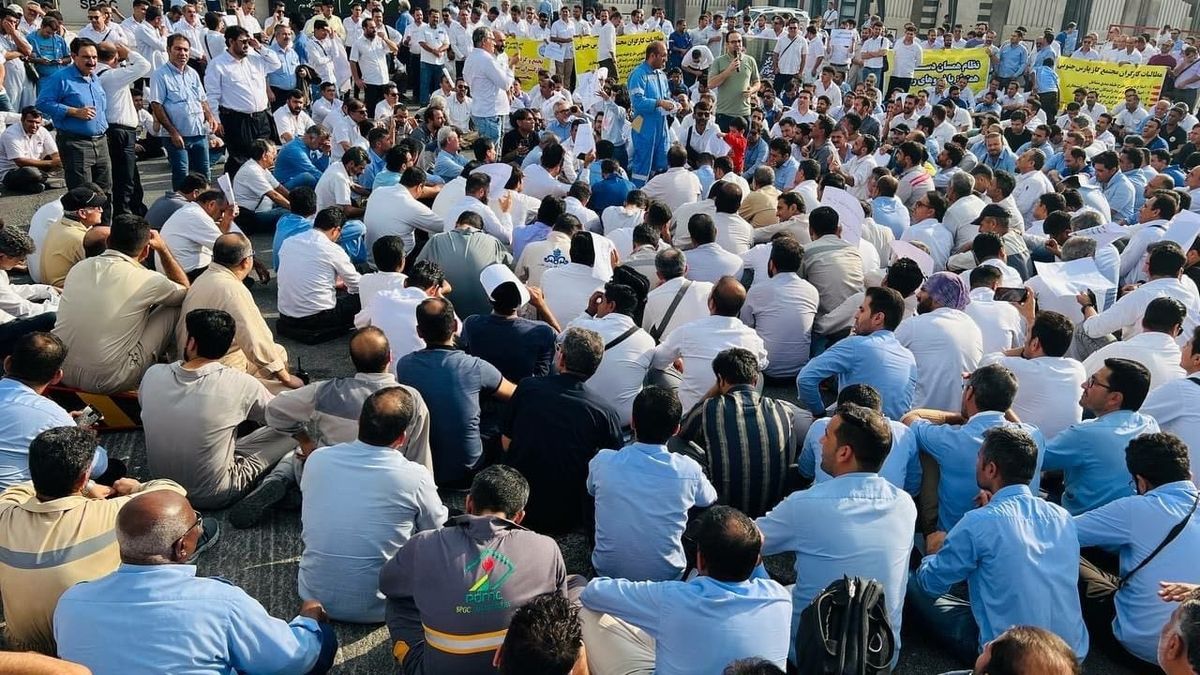
Amidst these developments, the complex internal dynamics of Iranian society—specifically the history of popular protest and mobilization—have largely receded from the global spotlight. However, as internet connectivity is restored for many within the country, sociologists and regional experts are re-examining the role of domestic movements in shaping Iran’s long-term trajectory. A new analysis, “Rethinking Political Change in Iran from Protest to War,” authored by sociologist Mohammad Ali Kadivar, challenges the prevailing narrative often forwarded by international observers and certain diaspora groups: that decades of grassroots mobilization have proved futile and that external intervention is the only viable path to democratic reform.
The Evolution of Domestic Political Struggle
Kadivar, an expert on Iranian protest movements, argues that the short-term focus on military outcomes obscures the profound, cumulative impact of internal dissent. According to his research, repeated and successive waves of mobilization by diverse groups within Iran have served to “reshaped social norms, altered political calculations and expanded the terrain on which future struggles unfold.” This perspective suggests that even in the absence of an immediate regime transition, the underlying social and political landscape of the nation has been fundamentally transformed by years of popular engagement.

The current conflict, while undeniably altering the immediate trajectory of Iranian domestic politics, does not erase the history of these movements. Experts suggest that a post-war environment will necessarily involve a reckoning with both the state’s long-standing repressive measures and the broader impact of external military actions on the Iranian populace. The interplay between these internal efforts and the external pressures of the current war remains a critical, yet under-discussed, variable in the country’s future.
Academic Engagement and Contextualizing the War
To address the complexities of the current crisis, several academic institutions have initiated collaborative efforts to provide deeper, evidence-based analysis. A newly announced series of online events, titled “Iran in Context,” represents a partnership between the British Society for Middle East Studies (BRISMES) and the Italian Association of Middle East Studies (SeSaMO). The series aims to facilitate informed discussions among scholars, moving beyond the immediate headlines to explore the historical and social foundations of the current regional instability.

The first event in this series, titled “Gender and Revolution,” is scheduled for June 18, 2026, at 10:00 AM EST. The session will feature scholars Manijeh Moradian of Barnard College and Nazanin Shahrokni of Simon Fraser University. The discussion is designed to examine the role of women in Iranian politics, tracing the history of gendered political mobilization from the 1979 revolution through the Iran-Iraq war, the subsequent reform periods, and into more recent contemporary movements. This series will feature conversations with leading experts on Iran, including the Executive Director of the Middle East Research and Information Project (MERIP), James Ryan, alongside editorial committee member Sabiha Allouche of BRISMES and Paola Rivetti, secretary of SeSaMO.
Event Details and Participation
- Event Series: Iran in Context
- First Session: Gender and Revolution
- Date/Time: June 18, 2026, at 10:00 AM EST
- Featured Speakers: Manijeh Moradian (Barnard College) and Nazanin Shahrokni (Simon Fraser University)
- Registration: Interested participants can find further information and registration links via the British Society for Middle East Studies (BRISMES) website.
Looking Ahead
The “Iran in Context” series is intended to provide a forum for sustained academic inquiry as the region navigates the consequences of ongoing conflict. By centering the experiences of ordinary Iranians and the historical context of their political struggles, these discussions aim to provide a more nuanced understanding of the forces that will ultimately shape the nation’s future. The academic community continues to monitor these developments closely, with further sessions expected throughout the summer of 2026.
As the situation in the Strait of Hormuz and the broader region continues to evolve, we invite our readers to follow updates from official academic and research bodies for verified, context-rich analysis. We welcome your perspectives on these complex issues in the comments section below, and we encourage you to share this report to help foster informed dialogue on global affairs.
Keep reading