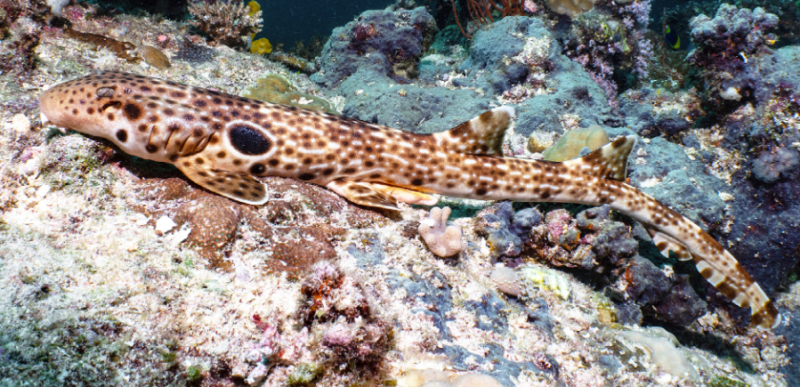
Researchers from the University of the Sunshine Coast (UniSC) in Australia have discovered and described a new-to-science species of walking shark in the shallow waters of Papua New Guinea. Named Hemiscyllium dudgeonae and commonly known as Dudgeon’s walking shark, the animal is a type of epaulette shark belonging to the genus Hemiscyllium. The discovery was led by PhD student and lead author Jess Blakeway alongside senior research fellow Christine Dudgeon during fieldwork in Milne Bay in 2025. The findings were officially published on June 15, 2026, in the peer-reviewed Mongabay.
New Walking Shark Species Discovered in Papua New Guinea
Unique Markings and Field Identification
During a night dive in remote, shallow waters off southeastern Papua New Guinea, Christine Dudgeon captured a meter-long fish by hand after spotting it in shallow seagrass and on top of a coral mount. The team initially suspected they had encountered a Michael’s or Milne Bay walking shark, also known as a leopard epaulette shark. However, upon examining the specimen under light on the support boat, Jess Blakeway noticed the color pattern was unlike any known walking shark. Instead of expected leopard-like spots, the brown body featured distinctive white dashes and small brown speckles that reminded Blakeway of braille or morse code.
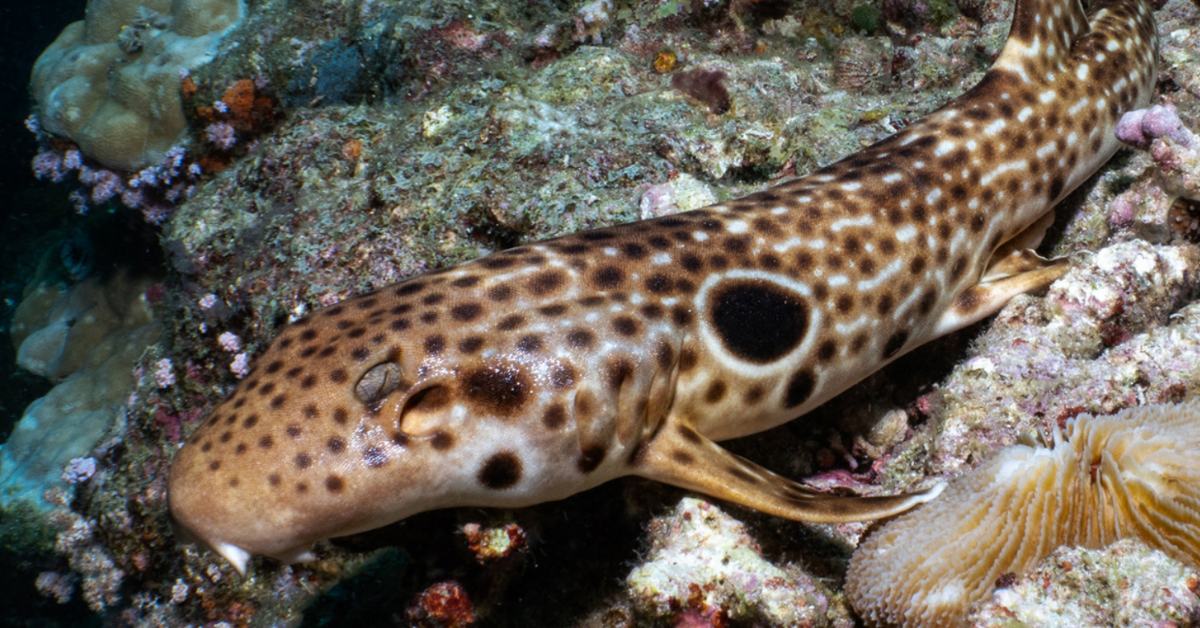
Over the following two nights, researchers found 11 additional individuals featuring the exact same distinctive pattern across three sites, including males, females, and both immature and mature animals. After completing more than 70 diving, snorkeling, and reef walking surveys at 35 sites, extensive genetic analysis back in Australia confirmed the team’s hunch. This officially established Hemiscyllium dudgeonae as the tenth known species in the genus and the first new species described for the genus since 2013, according to Goodgoodgood.
Characteristics and Ecological Context
Dudgeon’s walking shark grows to roughly 1 meter (about 3 feet) in length, a typical size for walking sharks, which generally stretch 2.5 to 3.5 feet from nose to tail. Like other members of the epaulette shark group—regionally referred to as longtail carpet sharks and bamboo sharks—the nocturnal creatures use four strong, paddle-shaped fins almost like legs to navigate across shallow reef flats, seagrass, and tidal shallows where many other sharks cannot reach. They feed on small invertebrates living on the seafloor, including crabs, shrimp, snails, and bristle worms, and pose no threat to humans.

Local communities in southeastern Papua New Guinea have long recognized the animal, calling it kadedekedewa, which loosely translates as “dog shark” or “lazy shark” due to its slow, deliberate movements across the seafloor. Walking sharks do not migrate over long distances and typically stay near where they were born, restricted by natural barriers such as very deep water and fresh water outflow.
Conservation Status and Future Research
The discovery comes at a critical time for marine conservation; the International Union for Conservation of Nature (IUCN) notes that more than one-third of shark and ray species worldwide are threatened with extinction. While the specific conservation status of Dudgeon’s walking shark remains formally unassessed, its restricted distribution and potential threats from habitat degradation and climate change leave researchers concerned about its vulnerability.
The research team plans to conduct further fieldwork to gather additional data. These efforts aim to help the IUCN Red List assess the species as vulnerable or endangered, while supporting local protections for the region’s endemic biodiversity.
Related reading