
The intersection of administrative efficiency and clinical availability has become a central flashpoint in the debate over veteran healthcare. As the Trump administration continues to implement significant workforce reductions within the Department of Veterans Affairs (VA), a growing discrepancy has emerged between official government metrics and independent longitudinal data. While the White House maintains that staffing cuts have not hindered the speed of care, new research suggests that the reduction in personnel may be contributing to increased delays across a broad spectrum of medical services.
This tension highlights a fundamental question in public health policy: can a massive healthcare network maintain—or even improve—service delivery while simultaneously undergoing significant contraction? The administration argues that the cuts are a necessary step toward streamlining operations, yet for many veterans, the reality on the ground appears to be a more complicated and potentially more difficult landscape for accessing timely medical attention.
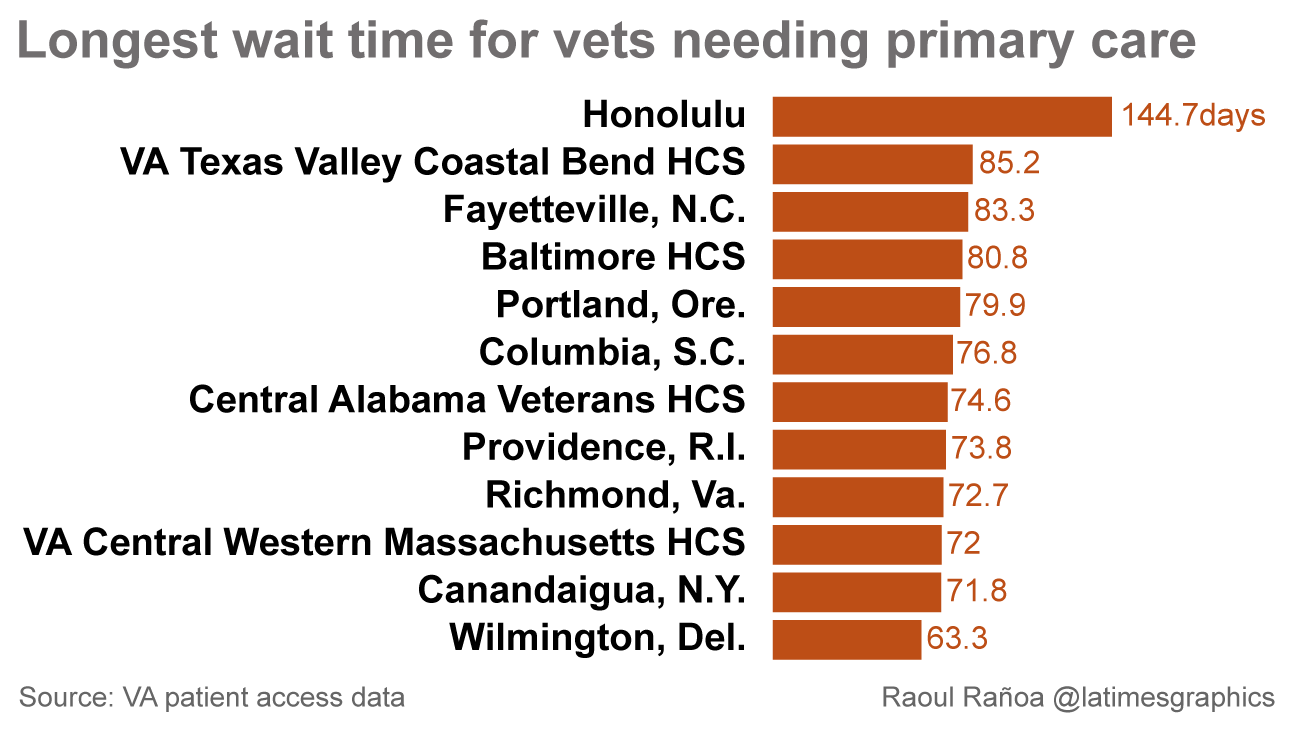
The core of the controversy lies in the divergent interpretations of “wait times.” The administration points to improved efficiency and shortened durations for certain types of care, whereas a recent analysis by the Vet Voice Foundation suggests that, when viewed through a broader lens, the wait times for many veterans are actually trending upward. This divergence is not merely a matter of statistical framing. it has significant implications for the long-term health outcomes of the millions of individuals who rely on the VA as their primary healthcare provider.
Efficiency or Erosion? The Administration’s Stance on VA Staffing
The current administration has moved aggressively to restructure the VA, a process that has included the elimination of approximately 30,000 positions. These cuts have impacted a wide range of roles, from administrative staff to frontline clinical providers, including doctors and nurses. The stated objective of these reductions is to optimize the agency’s budget and reduce bureaucratic overhead, with officials claiming that the VA can provide more “timely care” with a leaner workforce.
From a policy perspective, the administration’s approach leans heavily on the concept of operational efficiency—the idea that by removing redundant roles and centralizing certain functions, the remaining staff can operate more effectively. Proponents of this model argue that the VA has historically struggled with overstaffing in certain sectors, and that modernizing the workforce is essential for the sustainability of the nation’s largest health network.
However, medical professionals and healthcare policy experts often caution that “efficiency” in a clinical setting is not a direct correlate to “quality” or “access.” In healthcare, the capacity to treat patients is inextricably linked to the availability of specialized human capital. When clinical positions are cut, the remaining workforce often faces increased caseloads, which can lead to burnout and, systemic bottlenecks that manifest as longer wait times for patients.
The Vet Voice Foundation Study: A Divergent Reality
A new study conducted for the Vet Voice Foundation provides a data-driven counter-narrative to the administration’s claims. The study, which involved an analysis of daily wait time data, offers a granular look at how staffing changes have coincided with changes in patient access. The research was led by Kayla Williams, a former assistant secretary at the VA and an Iraq War veteran, who examined data from 21 different VA medical centers.

The study tracked wait times over a specific period, from last August through February, a window that captures the implementation and subsequent impact of the recent staffing reductions. The findings suggest that the “complicated picture” described by observers is characterized by significant increases in delays across both facilities and medical specialties.
According to the study’s findings, wait times increased at 71% of the medical centers analyzed. This suggests that the trend of increasing delays is not an isolated occurrence at a few struggling facilities, but rather a widespread phenomenon affecting the majority of the centers in the sample. This high percentage indicates a systemic shift in how quickly veterans can access care within the network.
the study found that wait times increased in 64% of medical specialties when the data was averaged. What we have is particularly concerning for veterans with complex or chronic conditions that require frequent interaction with specialists. While a general practitioner might be able to manage certain routine visits, the specialized care required for oncology, cardiology, or mental health services is highly sensitive to staffing levels. The data suggests that these specialized pathways are being significantly impacted by the broader workforce reductions.
Analyzing the Data: Specialty-Specific Delays
The fact that 64% of specialties saw an increase in wait times points to a potential “bottleneck effect” within the VA system. In a healthcare network, specialists often rely on a steady flow of support staff, technicians, and general practitioners to manage patient intake and follow-up. When the total number of positions is reduced, the friction within the system increases. Even if the administration’s cuts are targeted at “non-clinical” or “administrative” roles, the ripple effects often reach the clinical core.
For example, a reduction in administrative staff can lead to slower scheduling processes, delayed referrals, and more time spent on paperwork rather than patient interaction. This, in turn, reduces the actual time a specialist can spend with a patient, effectively lowering the “throughput” of the clinic and driving up the wait times for the next person in line.
The Complexity of Measuring Healthcare Access
The debate over VA wait times highlights a fundamental difficulty in healthcare metrics: the difference between “averages” and “outliers.” We see possible for an administration to report improved average wait times if certain high-volume, low-complexity services (such as basic vaccinations or routine check-ups) have become faster. However, if wait times for high-complexity, life-critical specialties (such as surgical consults or cancer treatments) have increased significantly, the “average” may mask a growing crisis in critical care access.
The Vet Voice Foundation study attempts to address this by looking at both medical centers and specific specialties. By showing that a majority of both are experiencing delays, the study suggests that the improvements claimed by the administration may be localized or limited to specific, less critical areas of service, rather than reflecting a general improvement in the health network’s performance.
Medical journalists and public health experts often emphasize that “access” should be measured by the ability to receive the right care at the right time. If a veteran can see a primary care doctor quickly but must wait months to see a specialist to address a growing health concern, the system is failing in its core mission of providing comprehensive healthcare. The current data suggests that the VA may be trading specialized access for administrative efficiency.
Key Takeaways
- Staffing Reductions: The Trump administration has cut approximately 30,000 positions within the VA to increase operational efficiency.
- Conflicting Metrics: While the White House claims these cuts have shortened wait times, independent data suggests a widespread increase in delays.
- Widespread Delays: A study by the Vet Voice Foundation found that wait times increased at 71% of the 21 medical centers examined.
- Specialty Impact: Wait times also increased in 64% of medical specialties, indicating that specialized care is being significantly affected.
- Data Period: The findings are based on data collected between August and February, covering the period of the staffing cuts.
As the debate continues, the focus will likely shift toward increased congressional oversight and demands for more transparent, specialty-specific data from the VA. The ability of the Department of Veterans Affairs to balance fiscal responsibility with the clinical needs of its patients remains one of the most critical challenges in modern American healthcare policy.
The next major checkpoint for this issue will be the release of the VA’s upcoming quarterly performance reports, which will provide updated data on wait times and staffing levels across the entire network. We will continue to monitor these developments closely.
What are your thoughts on the balance between healthcare efficiency and patient access? We invite you to share your perspectives in the comments below and share this article with your network.