
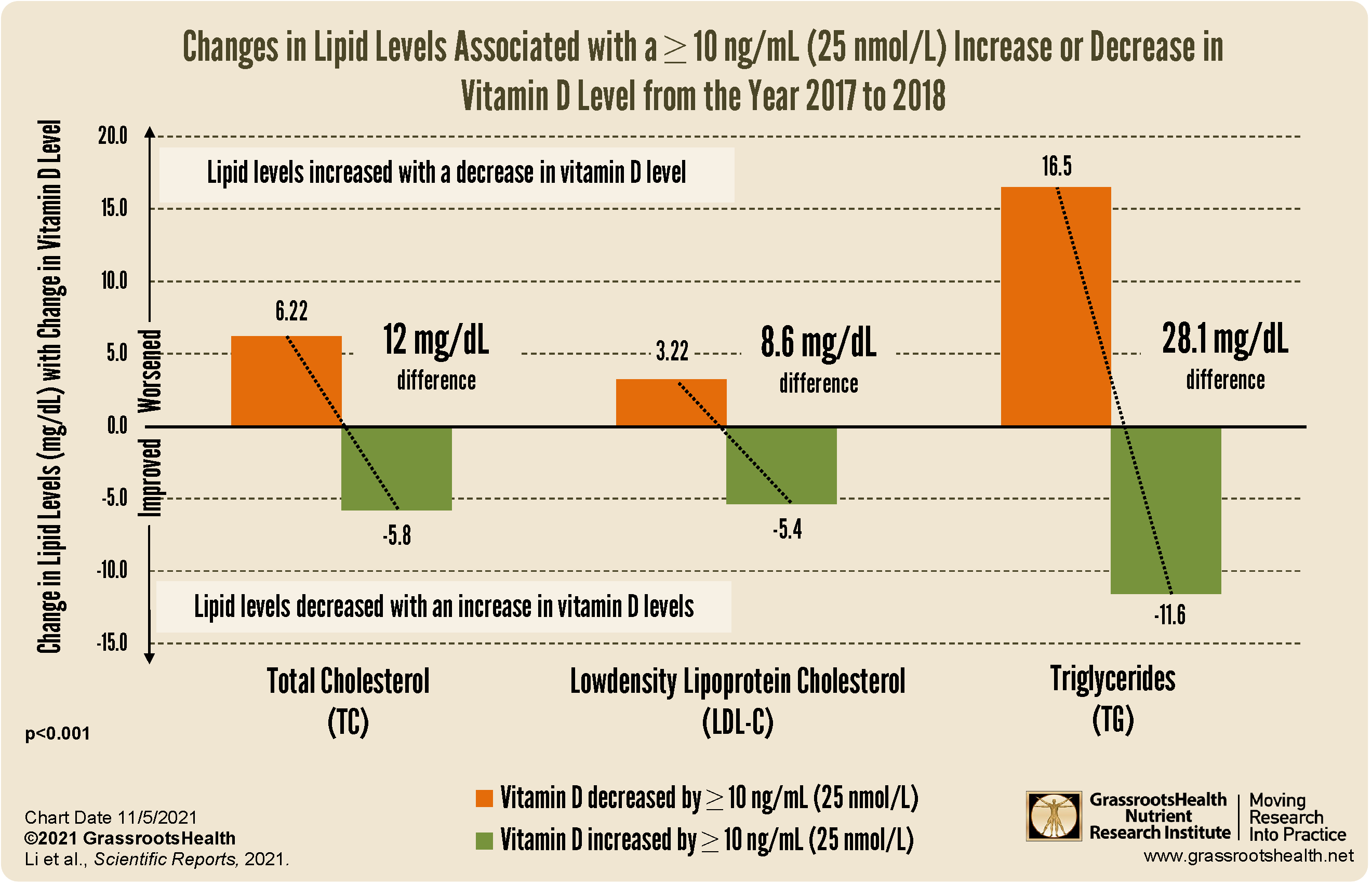
A growing body of clinical research suggests a significant correlation between serum 25-hydroxyvitamin D levels and the regulation of blood lipid profiles, including cholesterol and triglycerides. Recent investigations, such as those published in the Journal of Clinical Medicine, indicate that individuals with vitamin D deficiency frequently exhibit higher levels of low-density lipoprotein (LDL) and total cholesterol, suggesting that maintaining adequate vitamin levels may serve as a supportive strategy in managing cardiovascular risk markers.
As a physician and health editor, I have monitored the evolution of nutritional science for over a decade. While vitamin D is classically associated with bone health and calcium metabolism, its role as a steroid hormone receptor ligand extends into metabolic regulation. The current scientific consensus, supported by data from the National Institutes of Health (NIH) Office of Dietary Supplements, emphasizes that while vitamin D supplementation is not a replacement for statin therapy or lifestyle interventions in patients with dyslipidemia, its deficiency is increasingly recognized as a metabolic biomarker that warrants clinical attention.
How Vitamin D Influences Lipid Metabolism
The physiological link between vitamin D and blood lipids is rooted in the way our bodies process fats. Vitamin D receptors (VDRs) are found throughout the human body, including in the liver and adipose tissue, where they influence the expression of genes involved in lipid synthesis and clearance. According to a review in Frontiers in Physiology, adequate vitamin D levels appear to modulate the activity of enzymes that break down triglycerides and may improve the efficiency of LDL receptor expression, which helps the liver remove “bad” cholesterol from the bloodstream.

When serum levels fall below the recommended threshold—typically defined by the Endocrine Society as below 20 ng/mL—the body may experience a compensatory shift in metabolic signaling. This shift is often observed in clinical settings as an elevation in circulating triglycerides and a decrease in high-density lipoprotein (HDL), the “good” cholesterol. It is important to note that these changes are correlative; they do not definitively prove that vitamin D deficiency is the sole cause of lipid imbalances, but rather that it is a contributing factor in the broader context of metabolic syndrome.
What This Means for Patients
For patients tracking their lipid panels, these findings suggest that nutritional status should be part of a comprehensive cardiovascular health assessment. If a routine blood test reveals elevated LDL or triglyceride levels, physicians often look at a patient’s full metabolic profile. If a concurrent vitamin D deficiency is identified, addressing that deficiency through diet, safe sun exposure, or supplementation—under medical supervision—may offer secondary benefits to cardiovascular health.

The American Heart Association emphasizes that heart health is multifactorial. Vitamin D is not a “magic bullet.” Effective management of blood lipids continues to rely on a combination of regular physical activity, a heart-healthy diet rich in fiber and unsaturated fats, and, when prescribed, lipid-lowering medications like statins. Any decision to begin high-dose vitamin D supplementation should be preceded by a blood test, as excessive intake can lead to toxicity, resulting in hypercalcemia, which poses its own set of health risks.
Identifying and Managing Vitamin D Levels
The only way to accurately determine your vitamin D status is through a serum 25(OH)D blood test. According to the Mayo Clinic, clinical guidelines for optimal levels can vary, but most healthcare providers aim for a range between 30 and 60 ng/mL. Factors such as skin pigmentation, geographic latitude, age, and body mass index significantly influence how much vitamin D an individual can synthesize from sunlight.
If you are concerned about your lipid levels or suspect a vitamin deficiency, the most reliable next step is to schedule an appointment with your primary care provider. They can order the appropriate lab work and interpret the results within the context of your overall medical history. Avoid self-prescribing high doses of supplements, as the interaction between fat-soluble vitamins and other medications can be complex. As new research continues to emerge, we expect further clinical trials to clarify the exact dosage levels required to achieve metabolic benefits, providing more precise guidance for patients and clinicians alike.
We welcome your questions on this topic. If you have discussed your vitamin D and cholesterol levels with your physician, feel free to share your experiences in the comments section below. For the latest updates on nutritional research and public health policy, stay tuned to our upcoming reports in the Health section.
Related reading