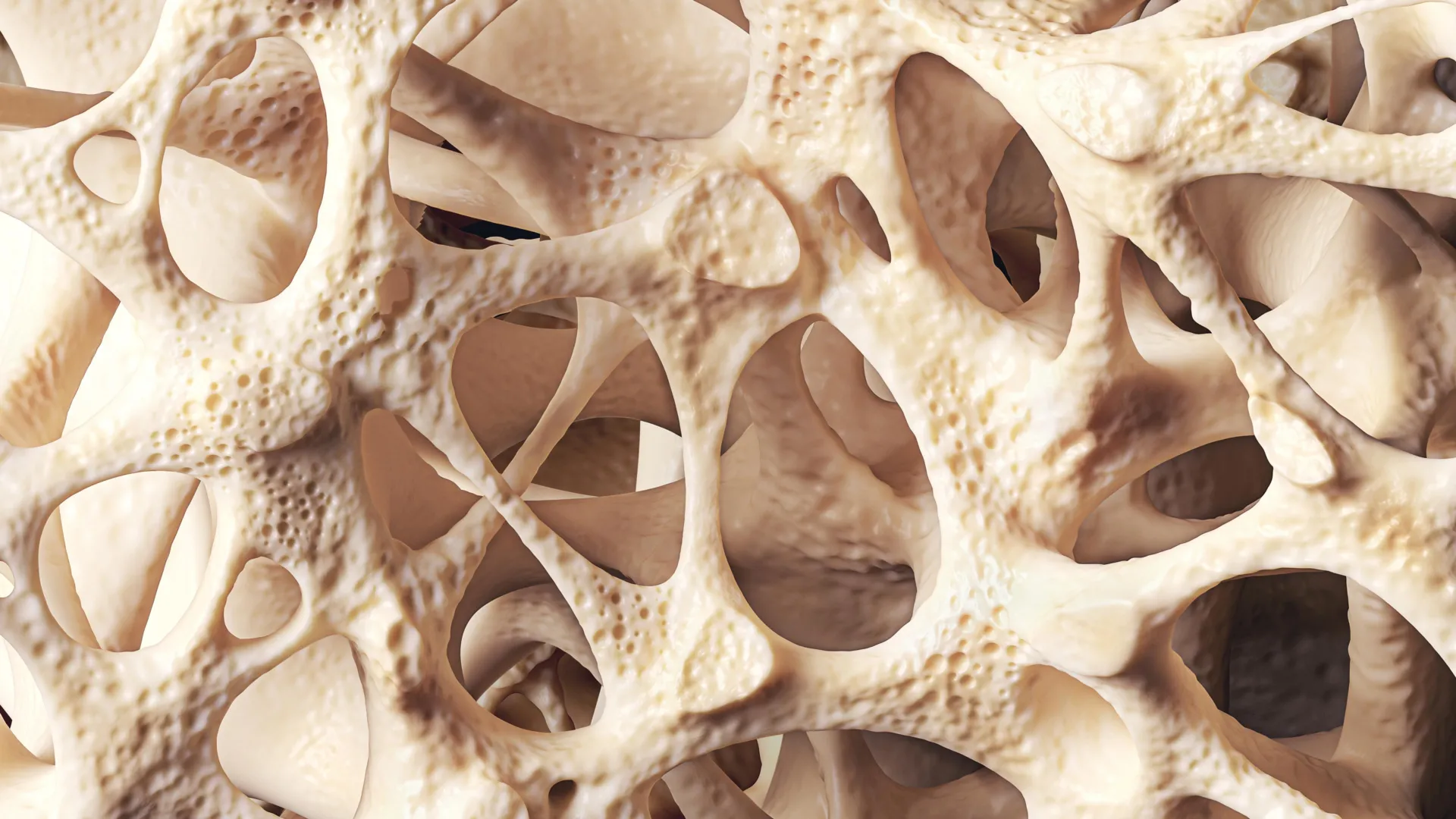
Osteopenia is a condition characterized by lower-than-normal bone mineral density that serves as a clinical precursor to osteoporosis. Millions of individuals worldwide live with the condition, often without realizing it, as the loss of bone mass typically occurs silently until a fragility fracture occurs. According to the National Institute of Arthritis and Musculoskeletal and Skin Diseases, bone density naturally peaks in the late 20s, after which the body may break down bone faster than it can rebuild it, leading to the gradual thinning associated with osteopenia.
Understanding Bone Density and Risk Factors
The transition from healthy bone density to osteopenia is rarely marked by physical symptoms, making routine screening essential for high-risk populations. Bone mineral density (BMD) is measured using a dual-energy X-ray absorptiometry (DXA) scan, which provides a T-score to assess fracture risk. The World Health Organization classifies a T-score between -1.0 and -2.5 as osteopenia, while a score of -2.5 or lower indicates osteoporosis. Age remains the most significant non-modifiable risk factor; as the skeletal system ages, hormonal shifts—particularly the decline of estrogen during menopause—accelerate the rate of bone resorption, as noted by the Endocrine Society.
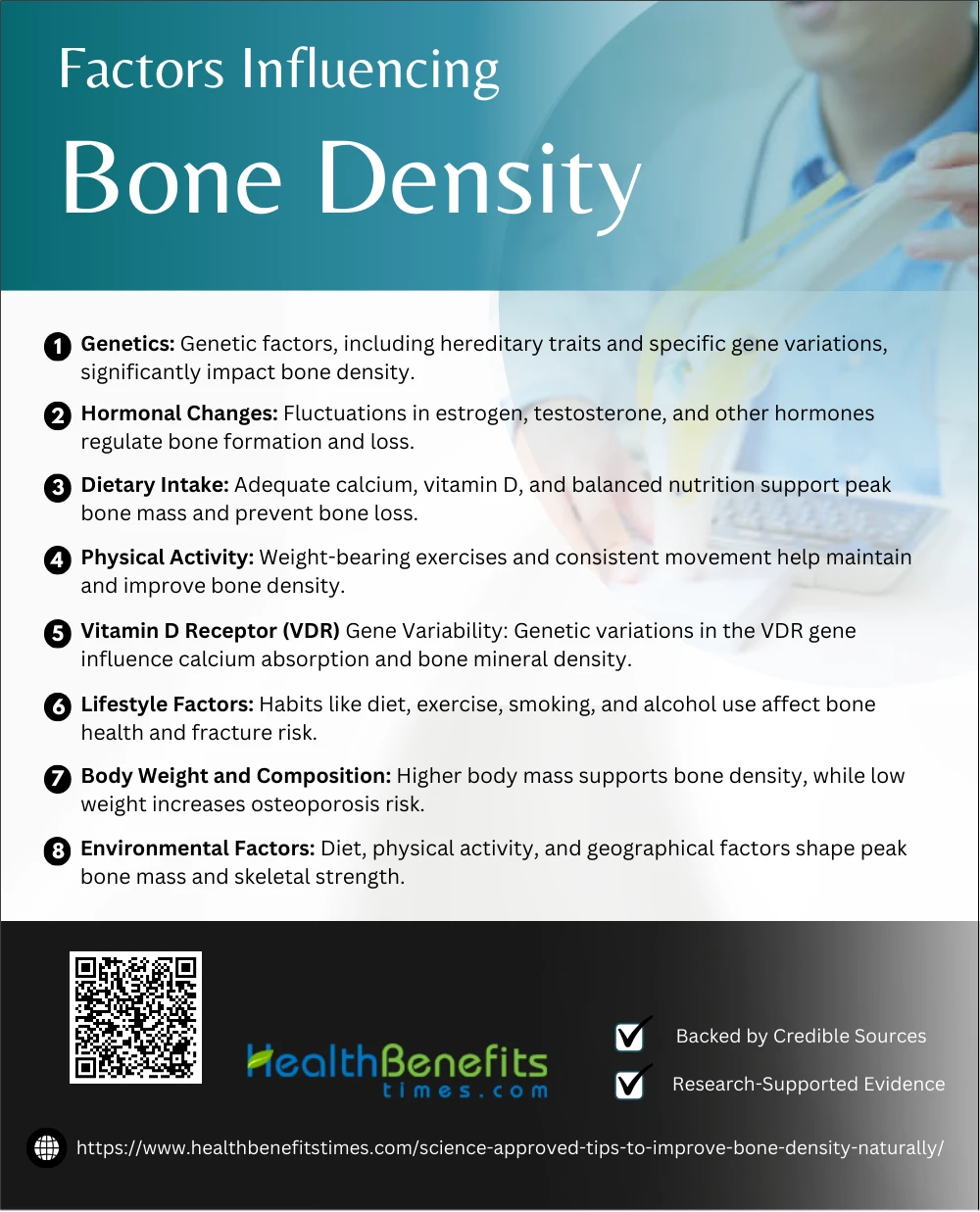
Beyond biological aging, lifestyle factors play a decisive role in the progression of bone loss. Inactivity, specifically the lack of weight-bearing exercise, denies bones the mechanical stress required to stimulate osteoblast activity, which is responsible for bone formation. Nutritional deficits, particularly inadequate intake of calcium and Vitamin D, further impair the body’s ability to maintain structural integrity. The National Osteoporosis Foundation emphasizes that while osteopenia is not a disease in the same category as osteoporosis, it represents a critical window for intervention to prevent the development of more severe skeletal fragility.
Diagnostic Screening and Clinical Guidelines
Clinical guidelines for when to begin screening vary by region and individual risk profiles, but generally prioritize post-menopausal women and older men. Because osteopenia develops without pain or outward signs, the diagnosis is frequently incidental—often discovered only after a bone densitometry test is performed for other reasons. The U.S. Preventive Services Task Force recommends screening for osteoporosis in women aged 65 and older, and in younger women at increased risk of fracture, to identify low bone mass before fractures occur.
Early identification allows for non-pharmacological management strategies that can stabilize or even improve bone health. For many patients, the diagnosis acts as a catalyst for behavioral changes rather than an immediate need for medication. Physicians typically evaluate individual fracture risk using tools like the FRAX score, which calculates the 10-year probability of a major osteoporotic fracture based on clinical risk factors and femoral neck BMD, as documented by the University of Sheffield’s Centre for Metabolic Bone Diseases.
Evidence-Based Strategies for Bone Preservation
Managing osteopenia focuses on increasing mechanical loading and optimizing nutrient status. Weight-bearing and resistance exercises are highly recommended by clinical experts because they force the body to work against gravity, signaling the bones to become denser and stronger. According to the Mayo Clinic, consistent strength training is one of the most effective ways to slow the rate of bone loss. Similarly, ensuring an adequate intake of calcium—found in dairy, leafy greens, and fortified foods—combined with Vitamin D to facilitate calcium absorption, is a cornerstone of skeletal health.
Medical management may also involve reviewing current medications, as certain treatments, such as long-term corticosteroid use, are known to contribute to secondary bone loss. Patients are encouraged to discuss their specific risk factors with a primary care physician or an endocrinologist to determine if lifestyle changes alone are sufficient or if supplemental therapy is required. As health systems continue to prioritize preventative care, the focus remains on early detection through standardized imaging and proactive lifestyle modifications.
Future Monitoring and Clinical Updates
The clinical approach to osteopenia continues to evolve as researchers study the long-term efficacy of combined resistance training and nutritional supplementation. Current medical practice relies on periodic DXA scans, typically conducted every two to five years depending on the initial T-score and the patient’s individual risk profile. There is no universal “cure” for osteopenia, but the progression to osteoporosis is not inevitable for all patients; it is a manageable condition that responds to sustained lifestyle intervention.

Readers should consult with their healthcare provider to determine if they meet the criteria for a bone density scan based on current local health guidelines. For those seeking further information, the International Osteoporosis Foundation provides ongoing updates on global standards for bone health and fracture prevention. We invite our readers to share their experiences with bone health management in the comments section below.
Related reading