
COVID-19 Study: Paxlovid Aids Recovery but Shows Limited Impact on Severe Outcomes in Vaccinated High-Risk Patients
A recent clinical trial has found that while Paxlovid (nirmatrelvir-ritonavir) helps vaccinated high-risk outpatients with COVID-19 recover faster, it does not significantly reduce hospitalization or death rates in this population. The study, published in Clinical Infectious Diseases and reported by CIDRAP, indicates that although symptoms improved more quickly among those taking the antiviral, the rates of severe outcomes remained comparable to placebo. This nuanced finding comes as health authorities continue to evaluate the role of antiviral treatments in an era of widespread vaccination and evolving virus variants.
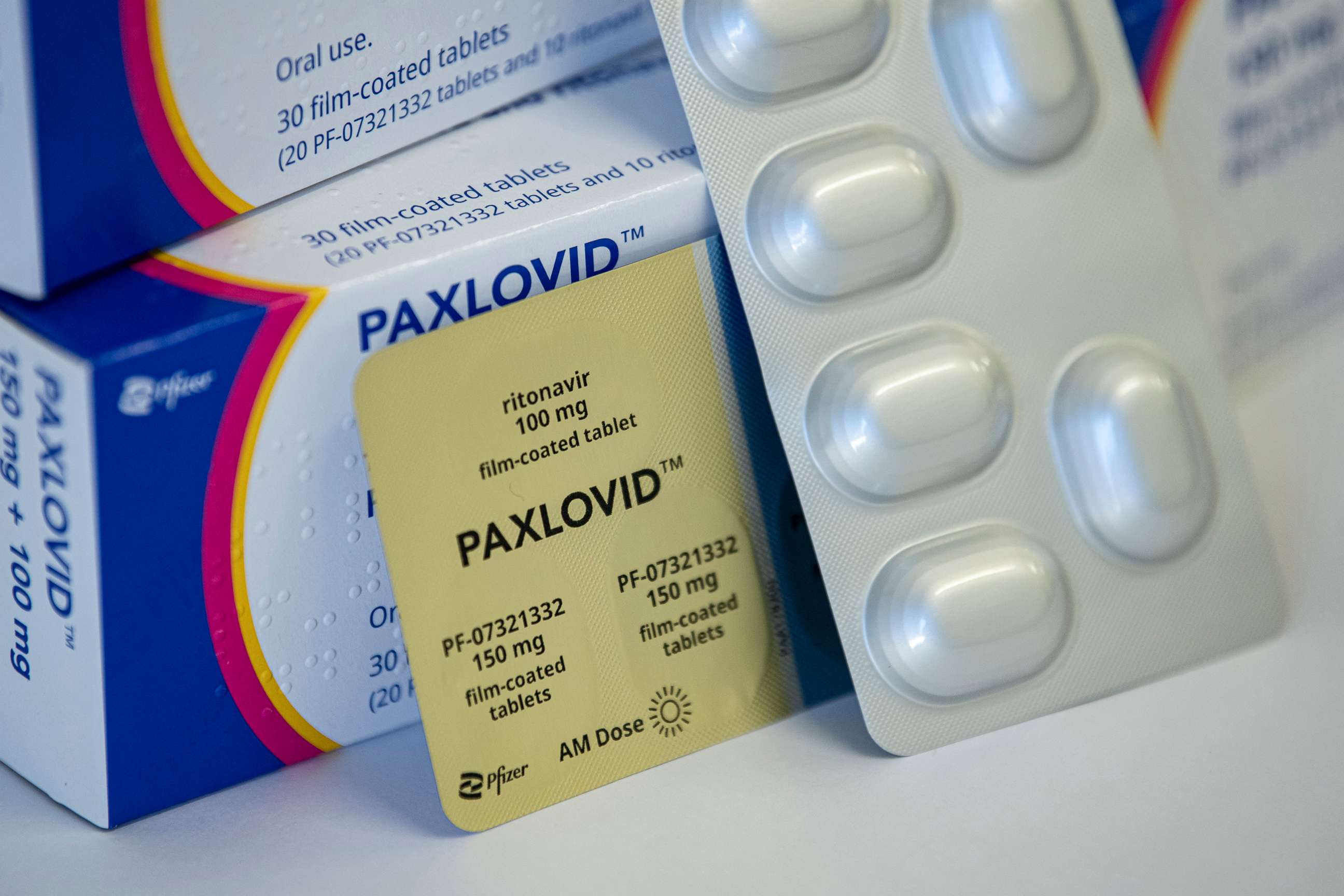
The trial involved over 1,000 vaccinated adults aged 50 and older with at least one risk factor for severe COVID-19, such as obesity, hypertension, or diabetes. Participants were randomly assigned to receive either Paxlovid or a placebo within five days of symptom onset. While the treatment group experienced a median symptom resolution time of 10 days compared to 12 days in the placebo group, there was no statistically significant difference in the primary composite endpoint of hospitalization or death between the two groups.
These results align with earlier observations that Paxlovid’s most pronounced benefits were seen during the initial phases of the pandemic when population immunity was lower. As vaccination rates have increased and hybrid immunity has become more common, the absolute benefit of antivirals in preventing severe disease has diminished, though they may still offer value in accelerating recovery and reducing the burden of prolonged symptoms.
Understanding Paxlovid’s Role in the Current Pandemic Landscape
Paxlovid, developed by Pfizer, received emergency use authorization from the U.S. Food and Drug Administration (FDA) in December 2021 for the treatment of mild-to-moderate COVID-19 in adults and pediatric patients at high risk for progression to severe disease. The medication works by inhibiting the SARS-CoV-2 main protease, thereby preventing viral replication. Initially hailed as a potential game-changer in the fight against COVID-19, its real-world effectiveness has been subject to ongoing evaluation as the pandemic has evolved.
According to the Centers for Disease Control and Prevention (CDC), Paxlovid remains one of the recommended outpatient treatments for eligible individuals, particularly those who are unvaccinated, immunocompromised, or at elevated risk due to age or underlying health conditions. The CDC emphasizes that treatment should be initiated as soon as possible after diagnosis, ideally within five days of symptom onset, to maximize potential benefits.
However, the latest trial data suggest that for vaccinated individuals with typical risk factors, the drug’s impact on preventing hospitalization and death may be limited. This does not negate its value in reducing symptom duration and improving patient comfort during illness, but it does underscore the importance of matching treatments to the current epidemiological context and individual patient profiles.
Balancing Benefits and Limitations in Clinical Practice
Healthcare providers are now navigating a more complex decision-making process when considering Paxlovid for vaccinated patients. While the drug is generally well-tolerated, with common side effects including altered taste and diarrhea, clinicians must weigh the modest benefits against potential drawbacks such as drug interactions and the rare occurrence of “COVID rebound,” where symptoms return after initial improvement.
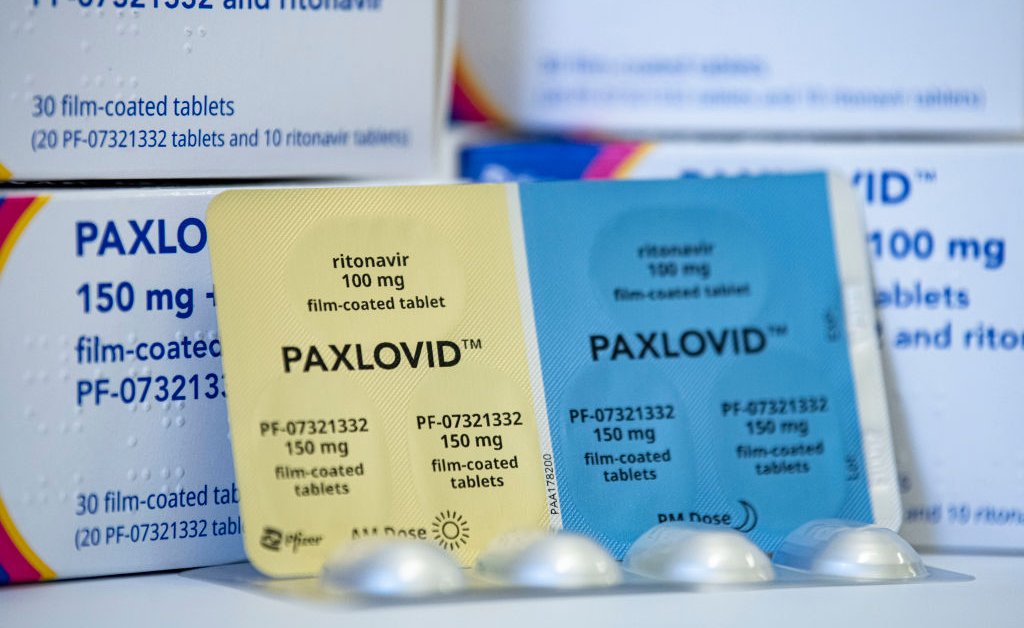
The National Institutes of Health (NIH) notes that Paxlovid can interact with certain medications, including some statins, anticoagulants, and herbal supplements, requiring careful review of a patient’s current prescriptions before initiation. Although rebound phenomena are not unique to Paxlovid and can occur naturally in the course of COVID-19, they have been reported in a subset of patients following treatment completion, necessitating patient education and follow-up guidance.
Despite these considerations, many experts agree that Paxlovid still holds a place in the therapeutic arsenal, particularly for populations where the risk of severe outcomes remains elevated. Ongoing research is focused on identifying subgroups that may derive the greatest benefit, such as individuals with specific immunological profiles or those infected with variants that demonstrate reduced susceptibility to other treatments.
Future Directions in Antiviral Research and Treatment Strategy
Researchers are continuing to investigate the long-term efficacy of Paxlovid and other antivirals against emerging SARS-CoV-2 variants. Studies are also exploring whether shorter or extended treatment courses could optimize benefits while minimizing potential downsides. There is growing interest in combining antivirals with other therapeutic approaches, such as monoclonal antibodies or immunomodulators, to enhance protection in high-risk individuals.
Public health agencies stress that vaccination remains the cornerstone of COVID-19 prevention, with updated booster recommendations targeting circulating variants. Antiviral treatments like Paxlovid are viewed as complementary tools that can support recovery and reduce morbidity, especially when administered early in the course of illness to those most likely to benefit.
As the scientific community gains a deeper understanding of how antivirals perform in vaccinated populations, treatment guidelines are expected to evolve accordingly. Patients are encouraged to consult with their healthcare providers to determine whether Paxlovid is appropriate for their individual circumstances, taking into account their vaccination status, risk factors, and current medication regimen.
Keep reading