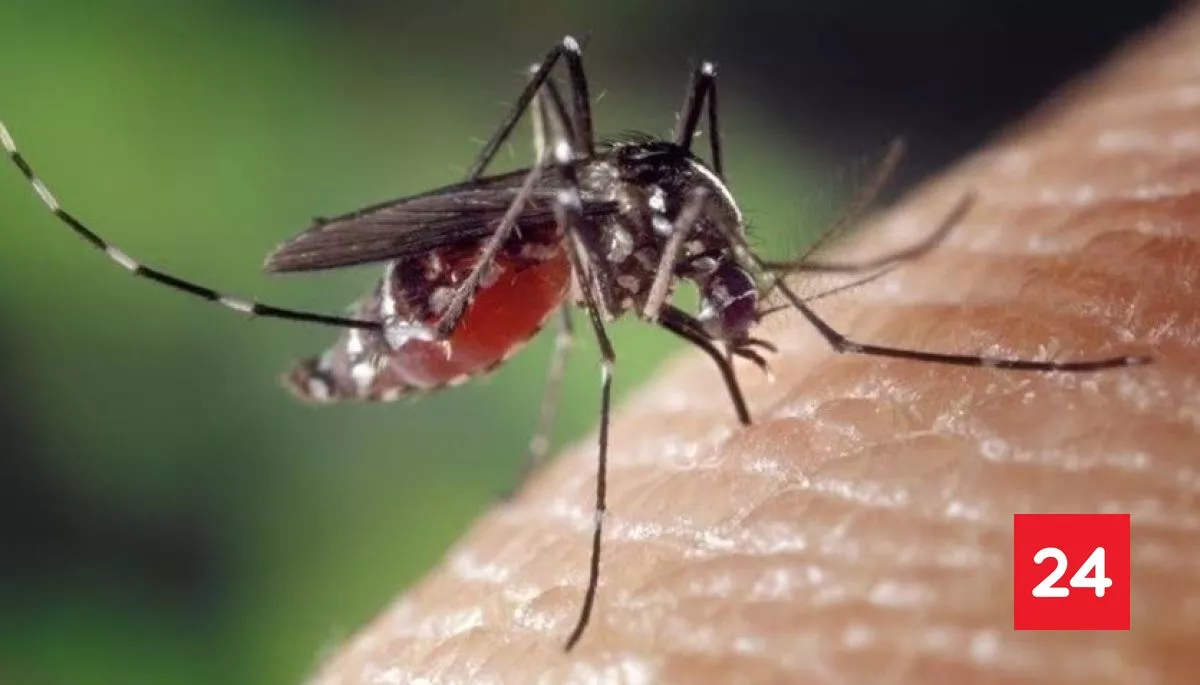
As we navigate the mid-point of 2026, the intersection of public health and environmental shifts remains a critical focus for medical professionals worldwide. The climate crisis is no longer a distant projection; it is a current driver of ecological change that directly influences the geographic distribution of vector-borne diseases. A primary concern for global health authorities is how rising temperatures and altered precipitation patterns are creating favorable conditions for mosquitoes—the primary vectors for a range of tropical pathogens—to expand their reach into previously unaffected latitudes.
Understanding the link between climate change and infectious disease expansion is essential for proactive healthcare policy. While public attention often focuses on well-known threats like Ebola or hantavirus, scientific literature increasingly points to the rising risk posed by mosquito-borne viruses that thrive in warmer, more humid environments. For those of us in the medical community, the objective is to translate these environmental trends into actionable public health strategies that protect vulnerable populations.
The Mechanics of Climate-Driven Viral Expansion
The transmission dynamics of mosquito-borne viruses are highly sensitive to ambient temperature, humidity and rainfall. As global temperatures climb, the metabolic rates of mosquitoes increase, often leading to shorter extrinsic incubation periods—the time it takes for a virus to develop within the mosquito after it has taken an infected blood meal. This allows mosquitoes to become infectious more quickly and potentially survive longer, increasing the window of opportunity for transmission to humans.
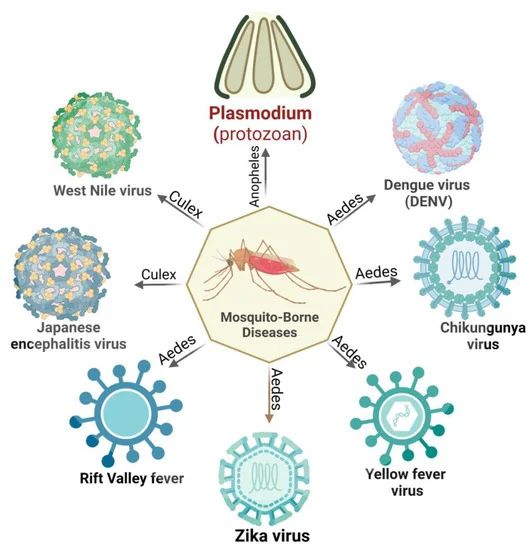
shifting climate zones allow vectors like Aedes aegypti and Aedes albopictus to establish populations in regions that were once too cold for their survival. According to the World Health Organization, climate change is already influencing the spread of diseases such as dengue, chikungunya, and Zika. These viruses, which historically occupied tropical and subtropical niches, are now frequently appearing in temperate areas, challenging existing healthcare systems to adapt their diagnostic and surveillance protocols accordingly.
Surveillance and Public Health Preparedness
The challenge for modern medicine lies in early detection and robust surveillance. When a virus moves into a new territory, it often catches local clinicians off guard, as symptoms can mimic common seasonal illnesses. Strengthening laboratory capacity to perform rapid diagnostic testing is a cornerstone of the response recommended by international health bodies. The Centers for Disease Control and Prevention (CDC) emphasizes the importance of integrated vector management, which includes environmental modifications to reduce breeding sites and the use of targeted insecticide applications.

Beyond vector control, public health policy must prioritize community education. Empowering residents to recognize the signs of mosquito-borne illness and implement personal protective measures—such as using EPA-registered insect repellents and wearing protective clothing—remains our most effective line of defense. As we observe these trends, a “One Health” approach, which recognizes the interconnectedness of human, animal, and environmental health, is necessary to mitigate the risks posed by these emerging threats.
Key Considerations for Global Health
To better understand the current landscape, it is helpful to categorize the risks associated with shifting climate patterns:
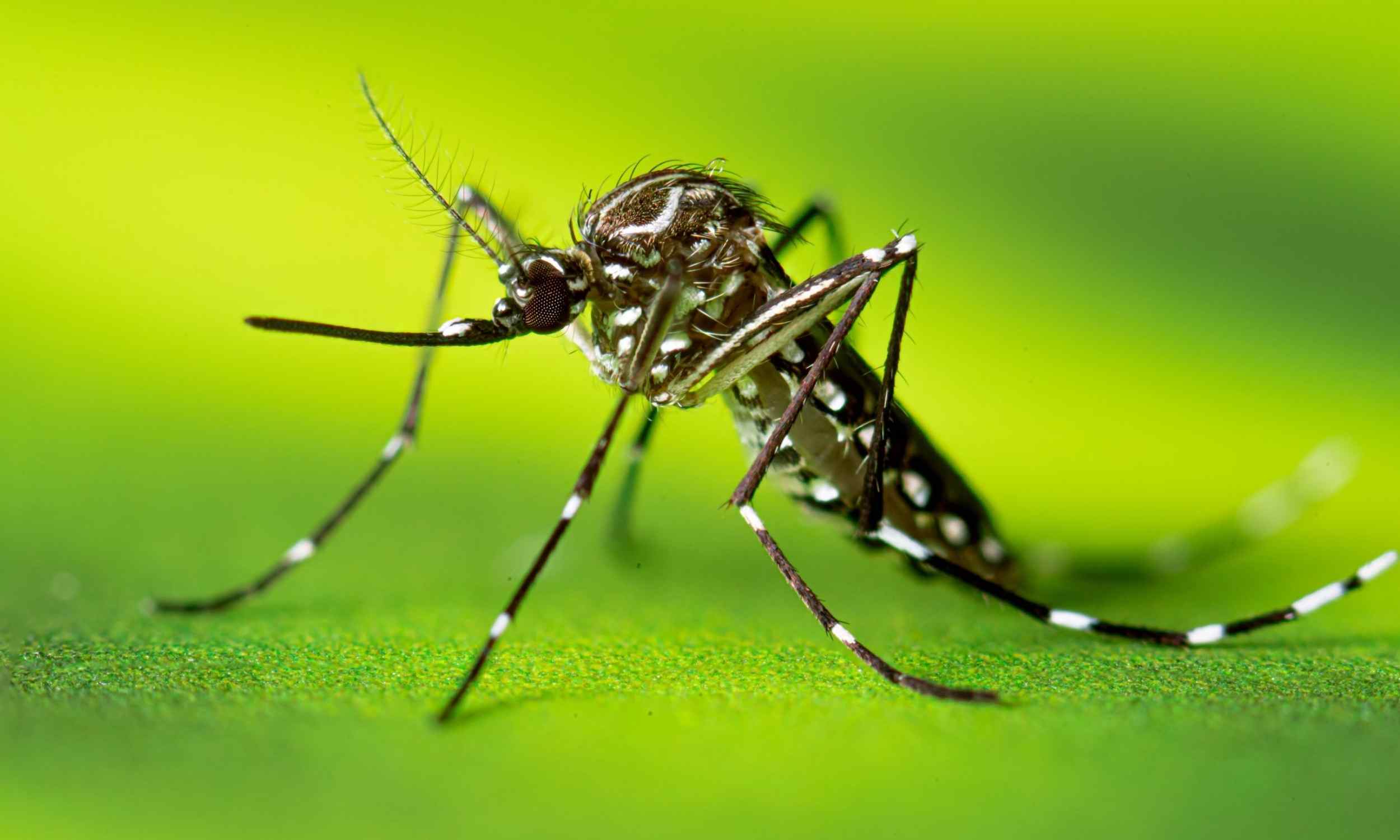
- Geographic Expansion: Vectors are moving to higher altitudes and latitudes, bringing tropical pathogens into temperate zones.
- Seasonal Extension: Warmer winters allow for longer transmission seasons, increasing the total number of potential infection events per year.
- Ecological Disruption: Changes in bird and mammal migration patterns can alter the viral reservoirs available to mosquitoes, potentially introducing new strains to human environments.
For those interested in tracking current epidemiological data, the European Centre for Disease Prevention and Control (ECDC) provides ongoing reports regarding the establishment of invasive mosquito species across the continent. These data sets are vital for policymakers who must allocate resources for mosquito monitoring and public awareness campaigns during the peak summer months.
Looking Ahead: The Path Toward Mitigation
The scientific consensus is clear: the environmental changes we are witnessing today necessitate a more agile and interconnected global health framework. As we move through the remainder of 2026, the focus must shift from reactive crisis management to sustained, proactive surveillance. This involves not only monitoring the mosquitoes themselves but also investing in healthcare infrastructure that can handle sudden surges in patients presenting with undifferentiated fever, a common hallmark of many mosquito-borne infections.
As a physician, I urge our readers to remain informed through official health channels and to consult their local health departments regarding specific risks in their area. The next major update on international vector-borne disease surveillance is expected to be released by global health authorities during the upcoming session of the World Health Assembly, where member states will discuss strategies for strengthening pandemic preparedness and response to environmental health threats. We will continue to monitor these developments closely to ensure our readers have the most accurate, evidence-based information available.
Have you observed shifts in vector activity in your region? Share your thoughts or questions in the comments below, and stay tuned to World Today Journal for further analysis on the intersection of climate change and public health.
Related reading