
As a physician and health journalist, I have spent years observing the intersection of clinical outcomes and the socioeconomic realities faced by patients. In my practice at Charité, I saw firsthand how the stress of medical costs often shadows the healing process. For years, the corporate world has approached “financial wellness” as an educational endeavor—offering seminars on budgeting or retirement planning. However, this approach often misses the most significant barrier to employee stability: medical debt.
For modern organizations, integrating medical debt management in employer strategy is no longer just a perk; We see a fundamental component of a sustainable public health and labor framework. When employees are burdened by the weight of unpaid healthcare bills, their professional performance, mental health and overall productivity inevitably suffer. True financial wellness requires moving beyond simple education and toward concrete, protective measures that shield workers from the debilitating effects of medical insolvency.
The Limits of Traditional Financial Wellness
Many workplace programs currently prioritize digital tools, educational workshops, or short-term lending options. While these resources provide a baseline for financial literacy, they do not address the systemic nature of healthcare costs. According to the Consumer Financial Protection Bureau (CFPB), medical debt remains a pervasive issue for millions of Americans, frequently stemming from unforeseen health crises rather than poor financial planning. When a program assumes that an employee’s financial stress is merely a lack of knowledge, it fails to account for the reality of high-deductible health plans and the complexities of medical billing.
The goal of a holistic wellness strategy should be to reduce the friction between the patient and the healthcare system. This means providing tools that help navigate insurance denials, negotiate inflated billings, or establish manageable payment structures. Education is a component of this, but it cannot be the only one. Without addressing the underlying debt, the impact on employee absenteeism and presenteeism—where an employee is physically present but unable to focus due to financial anxiety—remains high.
Shifting the Focus to Protection
Employers have a unique opportunity to act as advocates. By integrating debt negotiation services and transparent billing support into the benefits package, companies can directly improve the financial health of their workforce. This shift represents a move from passive observation to active protection. A 2024 analysis by the Kaiser Family Foundation highlights that the rising cost of premiums and deductibles continues to outpace wage growth, making it increasingly difficult for the average worker to absorb unexpected medical expenses without falling into debt.
What does this look like in practice? It involves providing access to professional advocates who understand the intricacies of medical coding and billing disputes. These services can often identify errors in hospital statements or negotiate settlements that are far more favorable than what an individual could achieve on their own. By lowering the total amount owed, employers provide an immediate, tangible financial benefit that far outweighs the value of a standard retirement seminar.
Why It Matters for Organizational Health
The relationship between an employee’s health and their financial stability is bidirectional. Financial stress is a known social determinant of health, frequently linked to hypertension, anxiety, and depression. When a company invests in the financial protection of its staff, it is essentially investing in its own medical loss ratio and long-term human capital. A workforce that is not constantly worrying about how to pay for a surgery or a prescription is a workforce that is more engaged, loyal, and resilient.
as healthcare policy continues to evolve, employers are increasingly seen as the primary gatekeepers of financial security for their employees. Under the No Surprises Act, there are federal protections in place to prevent certain types of unexpected billing, but these protections do not cover all scenarios. Employers who take the extra step to offer comprehensive support programs help bridge the gap where federal law ends and individual financial vulnerability begins.
Looking Ahead: The Next Steps for HR Leaders
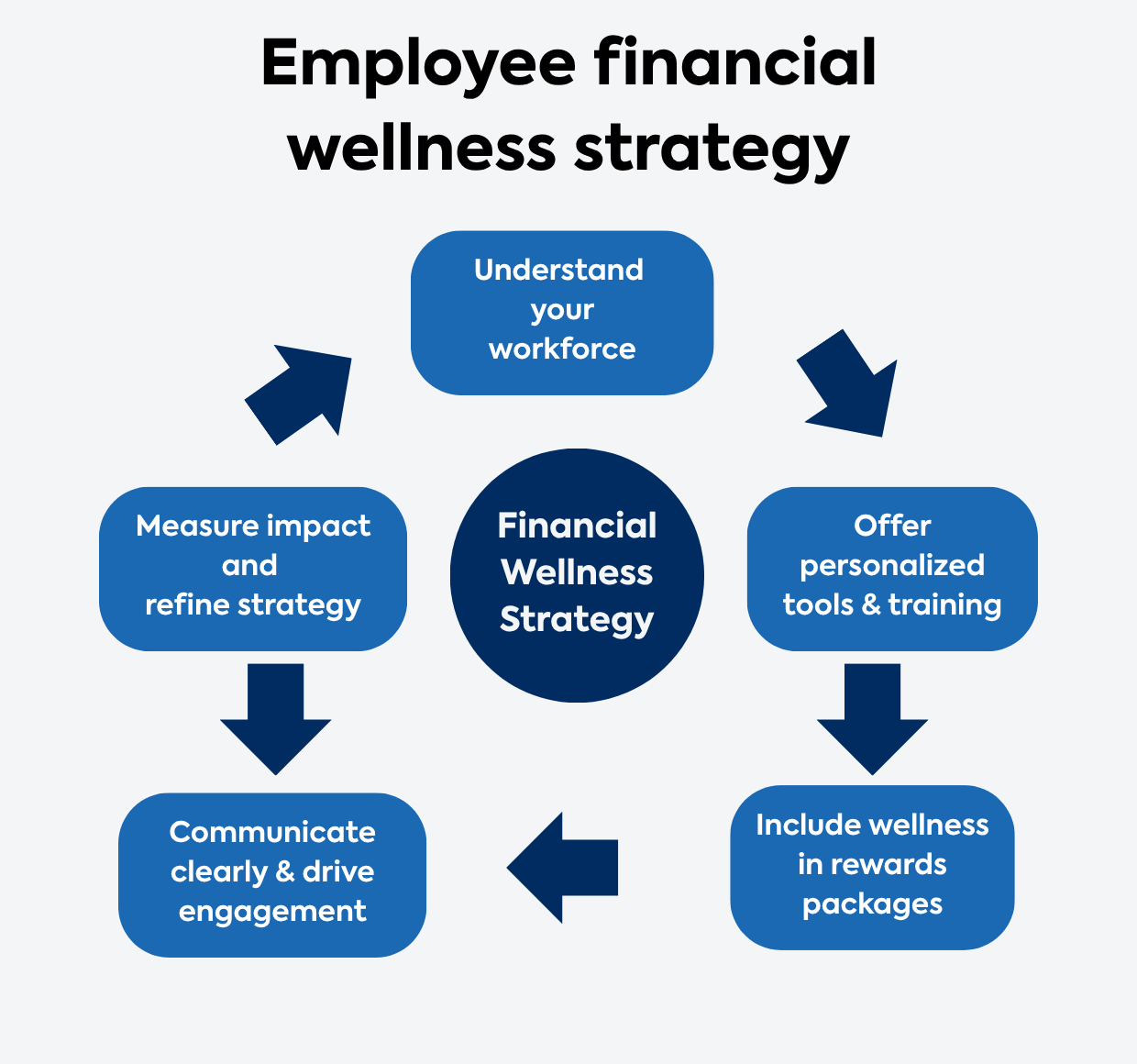
For organizations looking to refine their strategy, the next step is to audit current benefits to see if they address the root causes of financial instability. Are the current offerings reactive, or are they proactive? Are they focused on abstract financial advice, or do they offer concrete solutions for the most common financial stressors, such as medical debt? The most effective programs will be those that combine digital education with human-led advocacy and support services.
The landscape of employee benefits is shifting toward a more integrated, human-centric model. As we look toward the remainder of 2026, we expect to see more companies prioritize these protective benefits as a key differentiator in talent retention and employee well-being. If your organization is currently reviewing its annual benefits strategy, now is the time to consider how medical debt protection can serve as a cornerstone of your wellness initiative.
We encourage you to share your thoughts or experiences with workplace financial wellness programs in the comments section below. What benefits have been most impactful for your team, and where do you see the greatest need for change? Let us continue this vital conversation on how we can better support the health and financial security of workers worldwide.
Related reading