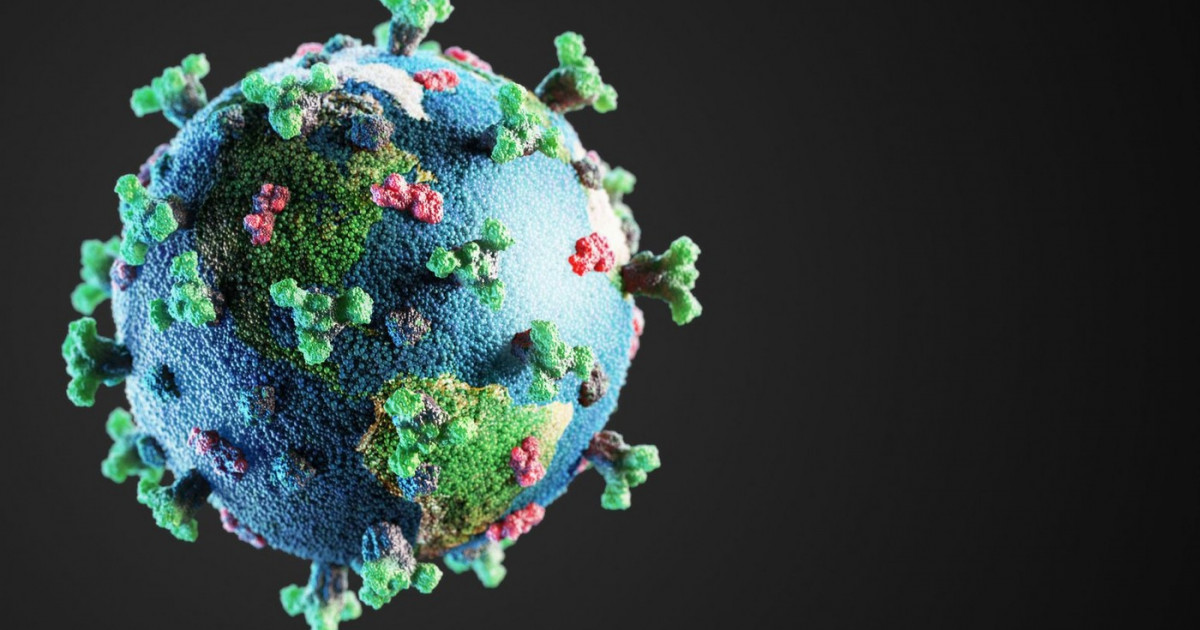
A new, comprehensive catalog of human viruses has identified significant gaps in our current understanding of potential pandemic threats, highlighting that the vast majority of viral diversity remains largely uncharacterized by modern medicine. Researchers have mapped the virome to better prioritize which pathogens pose the greatest risk to global health, providing a framework for future surveillance and vaccine development. This initiative underscores the urgent need to move beyond reactive pandemic management toward proactive, data-driven pathogen monitoring.
According to research published in Nature, scientists have categorized thousands of viral species, yet many remain “dark matter” in the field of infectious disease—they are known to exist but lack sufficient clinical data to assess their zoonotic potential. By analyzing genetic sequences and host interactions, the study aims to distinguish between viruses that are currently stable and those exhibiting the markers of rapid adaptation. This effort is critical for public health agencies, such as the World Health Organization (WHO), which maintains a priority diseases list to focus research and development resources on pathogens with epidemic potential.
Mapping the Viral Landscape
The process of cataloging viruses involves advanced genomic sequencing techniques that allow researchers to identify viral RNA and DNA in environmental and human samples. As outlined in reports from the Centers for Disease Control and Prevention (CDC), genomic surveillance is the backbone of modern epidemiology. By identifying the genetic signatures of viruses, experts can track how pathogens move between animal reservoirs and human populations.
The new catalog categorizes these agents based on their transmission mechanisms, host range, and the severity of disease they cause in humans. While many viruses are harmless, the study emphasizes that the “spillover” risk—the moment a virus jumps from an animal species to a human—is often unpredictable. Factors such as deforestation, climate change, and increased human-wildlife contact are cited by the United Nations Environment Programme (UNEP) as primary drivers that bring these previously isolated viruses into contact with human populations.
Identifying High-Threat Pathogens
Not all viruses carry the same level of risk. The researchers behind the catalog utilize a scoring system to evaluate the “pandemic potential” of various families of viruses. Key indicators include the ability to transmit via respiratory droplets, the duration of asymptomatic shedding, and the presence of receptors in human cells that the virus can exploit to gain entry.
Viral families such as Coronaviridae, Filoviridae, and Paramyxoviridae remain at the top of the list for surveillance. These groups have historically demonstrated the ability to cause severe respiratory or hemorrhagic illness, often with high mortality rates. The goal of this cataloging effort is to provide a “warning system” that allows health authorities to allocate funding for diagnostic tests and therapeutics long before an outbreak reaches a critical mass.
The Role of Global Surveillance
Effective pandemic preparedness relies on the integration of local and global data. The information gathered in this new catalog is intended to support the WHO Pandemic Agreement, a global effort aimed at strengthening pandemic prevention, preparedness, and response. By standardizing how we categorize and track viral threats, nations can share data more efficiently during the early stages of an emerging health crisis.
However, the study notes that surveillance remains uneven. While high-income nations often have robust laboratory infrastructure, many regions where viral spillover is most likely—such as parts of Southeast Asia, Central Africa, and the Amazon Basin—lack the resources for continuous genomic monitoring. Bridging this gap is considered a top priority for international health policy experts to ensure that a localized outbreak does not become a global emergency.
Moving Toward Proactive Healthcare
The shift from reactive crisis management to proactive surveillance represents a major change in how we approach infectious disease. Instead of waiting for a new virus to emerge in a clinical setting, researchers are now looking for the “pre-emergence” signals in environmental samples. This approach, often referred to as “One Health,” recognizes that human health is inextricably linked to the health of animals and the shared environment.
For the average citizen, this research highlights the importance of supporting public health initiatives that prioritize early detection. As the scientific community continues to refine this catalog, the focus will remain on developing universal vaccine platforms that could, in theory, target entire viral families rather than single strains. This could significantly reduce the time required to respond to novel pathogens.
The next major checkpoint for this research involves the integration of these findings into national and international surveillance databases, which is expected to occur in the coming fiscal year as part of broader efforts to modernize global health security. Readers interested in the latest updates on emerging infectious diseases can monitor the WHO Disease Outbreak News portal for official alerts and technical guidance. We welcome your thoughts on how global health policy should evolve to meet these challenges in the comments section below.
Related reading