Newly Discovered Virus Linked to Increased Risk of Bowel Cancer
Bowel cancer, also known as colorectal cancer, remains a significant global health challenge. While factors like age, diet, and lifestyle are well-established risk factors, a substantial number of cases occur in individuals with no obvious predisposing conditions. Now, a groundbreaking study from researchers in Denmark has identified a previously unknown virus potentially linked to the development of this common malignancy. The discovery, detailed in recent research, centers around a virus found *within* a common gut bacterium, raising new questions about the complex interplay between the microbiome and cancer.
The research, conducted by teams at the University of Southern Denmark and Odense University Hospital, focuses on a virus discovered inside Bacteroides fragilis, a bacterium commonly found in the human gut. This finding doesn’t necessarily mean the virus *causes* cancer, but it suggests a potential connection that warrants further investigation. Understanding the role of the microbiome in cancer development is a rapidly evolving field, and this discovery adds a crucial piece to the puzzle. The study highlights the potential for viral contributions to disease processes previously attributed solely to bacterial imbalances or genetic predisposition.
A Bacteriophage Within a Common Gut Resident
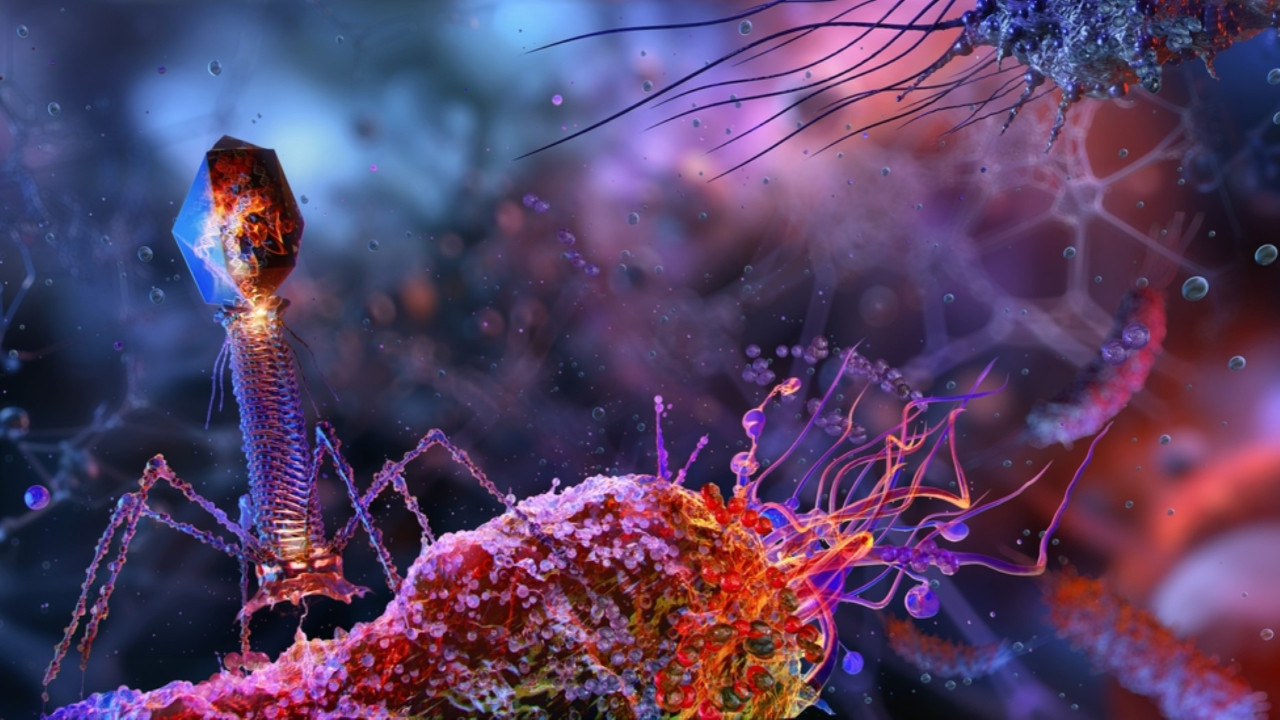
Researchers began investigating why Bacteroides fragilis appeared more aggressive in patients diagnosed with bowel cancer. This bacterium is present in the gut of many healthy individuals, so the team sought to understand what factors might contribute to its more harmful behavior in some. Their investigation led to the identification of a previously unknown bacteriophage – a virus that infects bacteria. As explained in a recent publication in Nature Microbiology, these bacteriophages, known for their ability to live inside and alter the characteristics of bacteria, were found to be present at significantly higher rates in cancer patients.
Bacteriophages are ubiquitous in the gut, playing a role in regulating bacterial populations. Though, this newly discovered virus, belonging to the Caudoviricetes class, appears to have a unique interaction with Bacteroides fragilis. The virus’s presence seems to alter the bacterium’s behavior, potentially contributing to inflammation and other processes that can promote cancer development. The Caudoviricetes class is one of the most abundant and diverse groups of viruses known to infect bacteria, and this discovery adds to the growing understanding of their complex roles in the gut ecosystem.
Analyzing a Massive Dataset to Identify the Link
The foundation of this research lies in a comprehensive database containing data from approximately two million individuals in Denmark. Researchers meticulously analyzed this dataset, focusing on patients who had experienced sepsis caused by Bacteroides fragilis and subsequently received a diagnosis of bowel cancer within a relatively short timeframe. This approach allowed them to identify a potential temporal link between the bacterial infection and cancer development.
Following this initial analysis, the team expanded their investigation to include both patient and healthy control samples. They analyzed the genetic material of bacteria collected from these individuals, searching for the presence of the newly identified bacteriophage. The results were striking: the virus was found to be approximately twice as common in individuals with bowel cancer compared to those without the disease. This was further validated by analyzing fecal samples from a larger cohort of 877 individuals across Europe, the United States, and Asia, reinforcing the initial findings and suggesting the link isn’t limited to a specific population.
Correlation vs. Causation: What Does This Mean for Bowel Cancer Risk?
While the study establishes a statistically significant association between the virus and bowel cancer, it’s crucial to emphasize that it does not definitively prove causation. Researchers are cautious about claiming the virus directly *causes* cancer, acknowledging that it could be a marker of other underlying changes occurring in the gut environment. The Research Unit of Medical Gastroenterology at the University of Southern Denmark, which played a key role in the study, is continuing to investigate the precise mechanisms by which the virus might influence cancer development.
“It’s possible that the virus isn’t the direct cause, but rather an indicator of a broader disruption in the gut microbiome,” explains Dr. Sofia Forslund, a leading researcher involved in the study. “The gut microbiome is incredibly complex, and changes in its composition can have far-reaching effects on health. This virus could be a signal that something else is going on.” Further research is needed to determine whether targeting the virus or modifying the gut microbiome could offer new avenues for preventing or treating bowel cancer.
Implications for Early Detection and Prevention
The discovery of this viral link opens up exciting possibilities for improving bowel cancer detection and prevention strategies. Currently, screening methods, such as colonoscopies and fecal occult blood tests, are used to identify the disease at an early stage. However, these methods have limitations, and there’s a need for more sensitive and specific diagnostic tools.
Researchers are exploring the potential of developing a diagnostic test to detect the presence of the virus in stool samples. Such a test could potentially identify individuals at higher risk of developing bowel cancer, allowing for earlier intervention and more effective treatment. However, it’s important to note that this is still in the early stages of development, and further research is needed to validate its accuracy and reliability. The European Cancer Organisation estimates that over 520,000 new cases of colorectal cancer are diagnosed annually in Europe alone, highlighting the urgent need for improved prevention and detection methods.
Key Takeaways
- A previously unknown virus has been identified within the common gut bacterium Bacteroides fragilis.
- The virus is found at significantly higher rates in individuals with bowel cancer compared to healthy controls.
- The research suggests a potential link between the virus and bowel cancer development, but further investigation is needed to determine causation.
- The discovery could lead to the development of new diagnostic tests for early cancer detection and potential prevention strategies.
The research team is now focused on understanding the precise mechanisms by which the virus interacts with Bacteroides fragilis and how this interaction might contribute to cancer development. They are also investigating whether the virus is present in other types of cancer and whether it can be targeted with antiviral therapies. The next steps involve larger-scale clinical trials to validate the findings and assess the potential for clinical applications. The ongoing research promises to shed further light on the intricate relationship between the gut microbiome, viral infections, and the development of bowel cancer.
This is a developing story, and we will continue to provide updates as new information becomes available. We encourage readers to share their thoughts and experiences in the comments below. If you are concerned about your risk of bowel cancer, please consult with your healthcare provider.
Related reading