In the evolving landscape of regenerative medicine, a significant discovery has emerged from researchers in Japan, focusing on the potential of modified nutrient compounds to aid in the restoration of neural function. Scientists have successfully engineered new vitamin K-based derivatives that demonstrate a capacity to influence the differentiation of neural stem cells, potentially offering a new pathway for addressing neurodegenerative conditions such as Alzheimer’s and Parkinson’s disease. This development centers on the synthesis of vitamin K with components structurally related to vitamin A, creating a hybrid molecule that appears to surpass the efficacy of natural vitamin K in laboratory settings.
As a physician and health journalist, I often emphasize that while laboratory breakthroughs represent the essential foundation of medical science, they are distinct from clinical treatments currently available to patients. This research, while promising, remains in the early stages of experimental study. Understanding how these compounds function at a cellular level is the first step toward determining whether they can eventually be translated into safe, effective therapies for human neurological health. The mechanism being explored involves the conversion of neural stem cells into functional neurons, a process that is frequently impaired in the brains of those suffering from chronic degenerative diseases.
According to findings published in the journal npj Regenerative Medicine, researchers at the Toyohashi University of Technology developed these compounds to address the limitations of natural vitamin K, which typically exhibits low efficiency in promoting neural differentiation. By refining the molecular structure, the team observed that their synthetic variants were approximately three times more effective at encouraging stem cells to mature into neurons compared to traditional vitamin K forms. This study, which was documented in detail by the research team and verified through the Nature Partner Journals platform, provides a critical framework for future investigations into neuro-regeneration: Vitamin K-based compounds for neural regeneration.
The Science of Neural Differentiation
The human brain possesses a remarkable, though limited, capacity for plasticity and repair. Neural stem cells serve as the building blocks for this potential, holding the ability to differentiate into the various cell types required for a healthy central nervous system. In conditions like Alzheimer’s, the progressive loss of these neurons leads to the cognitive decline characteristic of the disease. The ability to “supercharge” the maturation of these stem cells is a primary objective for researchers globally.
Vitamin K is traditionally recognized for its vital role in blood coagulation and bone metabolism. However, its influence on the nervous system has been a subject of increasing interest within the scientific community. The research conducted in Japan suggests that by modifying the side chain of the vitamin K molecule—specifically by introducing structures similar to retinoic acid (a derivative of vitamin A)—scientists can enhance the compound’s interaction with cellular signaling pathways. This modification facilitates a more robust conversion process, allowing for a higher yield of neurons in controlled, in vitro environments.
these findings are based on cell culture models. Moving from a petri dish to a human clinical application requires navigating a complex pipeline of safety testing, pharmacokinetic studies, and, eventually, multi-phase clinical trials. While the data regarding the three-fold increase in differentiation efficiency is compelling, it does not yet indicate a cure or a standardized treatment protocol.
What This Means for Neurodegenerative Research
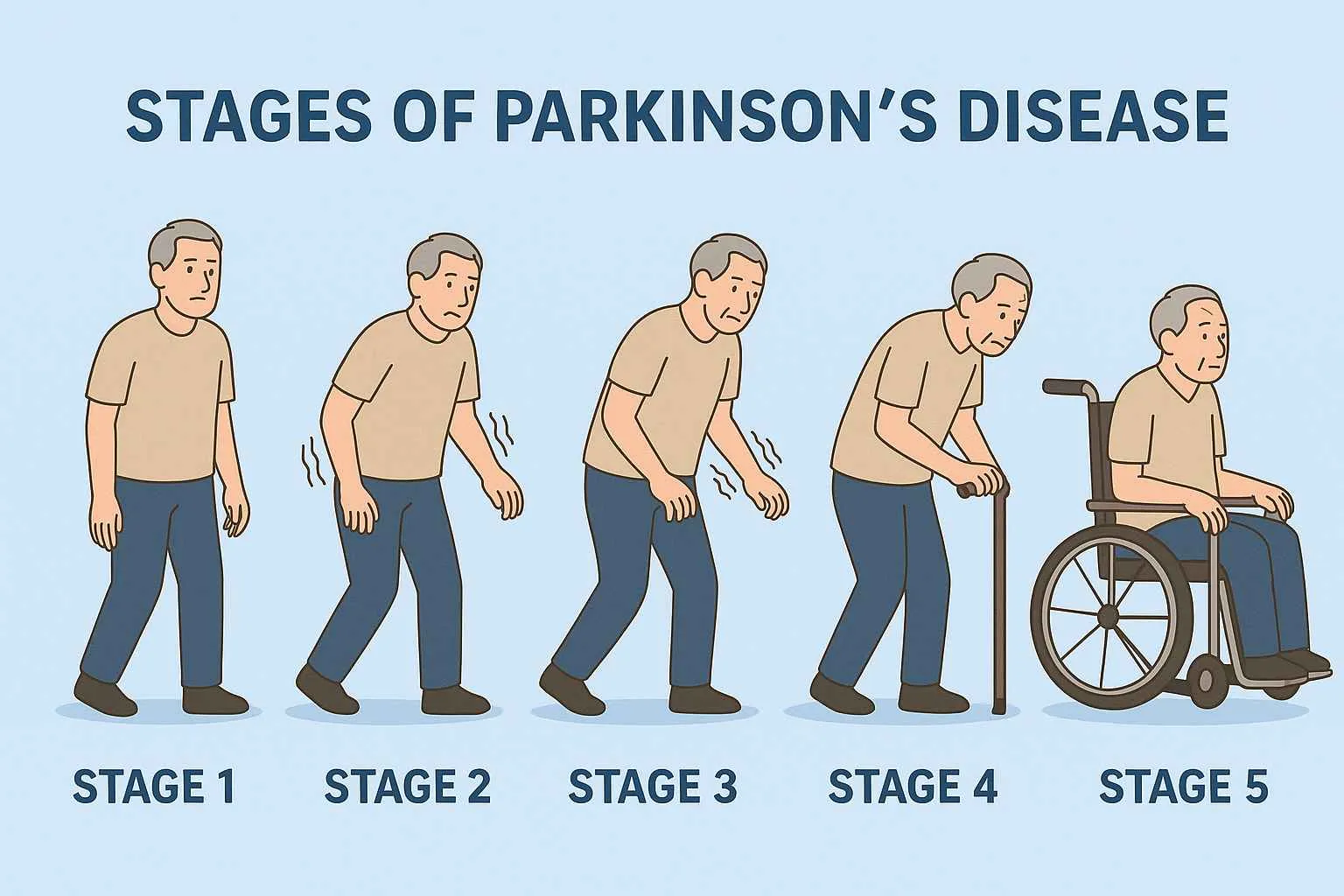
The implications for diseases like Parkinson’s and Alzheimer’s are significant, though the transition to clinical practice is a long-term endeavor. Parkinson’s disease, for instance, is characterized by the loss of dopamine-producing neurons, while Alzheimer’s involves a more widespread degradation of neural networks. If researchers can develop compounds that effectively stimulate the brain’s endogenous repair mechanisms, it could fundamentally shift the paradigm from palliative care—managing symptoms—to restorative care.
Current research into neurodegenerative diseases is broad, involving everything from monoclonal antibodies to lifestyle interventions and genetic therapies. The introduction of synthetic nutrient derivatives adds a unique tool to this arsenal. Because these compounds are based on vitamins already utilized by the human body, there is a theoretical hope that they may have a more favorable safety profile compared to more aggressive pharmacological agents, though this remains to be proven in rigorous human trials.
Key Takeaways for Patients and Families
For those living with neurodegenerative conditions or caring for loved ones, it is natural to look for hope in new headlines. To keep these developments in perspective, consider the following:
- Experimental Status: The research is currently in the preclinical, laboratory-based phase. It is not currently available as a supplement or medical treatment.
- Mechanism of Action: The study demonstrates that a modified chemical structure improves the conversion of stem cells to neurons in a lab, which is a proof-of-concept, not a clinical result.
- Consultation: Never alter your current treatment plan or begin new, high-dose vitamin regimens based on early-stage scientific reports without first consulting your neurologist or primary care physician.
- Scientific Rigor: Major medical breakthroughs typically require years of validation across multiple independent research centers before reaching clinical guidelines.
As we continue to monitor this development, the next phase for the research team will likely involve assessing the toxicity and efficacy of these compounds in animal models. Such studies are essential to verify that the enhanced differentiation observed in cells translates to functional improvements in biological systems without causing adverse effects. We will provide updates on this research as peer-reviewed data regarding further testing becomes available.
If you have questions about the current standard of care for neurological health or wish to learn more about ongoing clinical trials, the National Institute on Aging offers reliable, evidence-based resources for patients and families. Please share your thoughts in the comments section below or join the discussion on our social media channels.
Related reading