
The landscape of Italian football has witnessed a remarkable transformation in recent years, centered around the resurgence of Como 1907. As the club navigates its path back to the pinnacle of the sport, the focus has shifted from its historic roots in Lombardy to its current aspirations on the European stage. For a city long celebrated for its scenic beauty and the cultural legacy of Alessandro Volta, the rise of its professional football club has become a defining narrative of modern sports management.
Following a period of significant financial instability that saw the club face bankruptcy, the recent trajectory of Como 1907 has been characterized by strategic investment and a clear vision for long-term growth. This revival has placed the club firmly in the spotlight, not only for its sporting achievements but for the organizational philosophy driving its progress. As the club prepares for its future campaigns, the integration of global expertise and local identity remains a central theme for supporters and analysts alike.
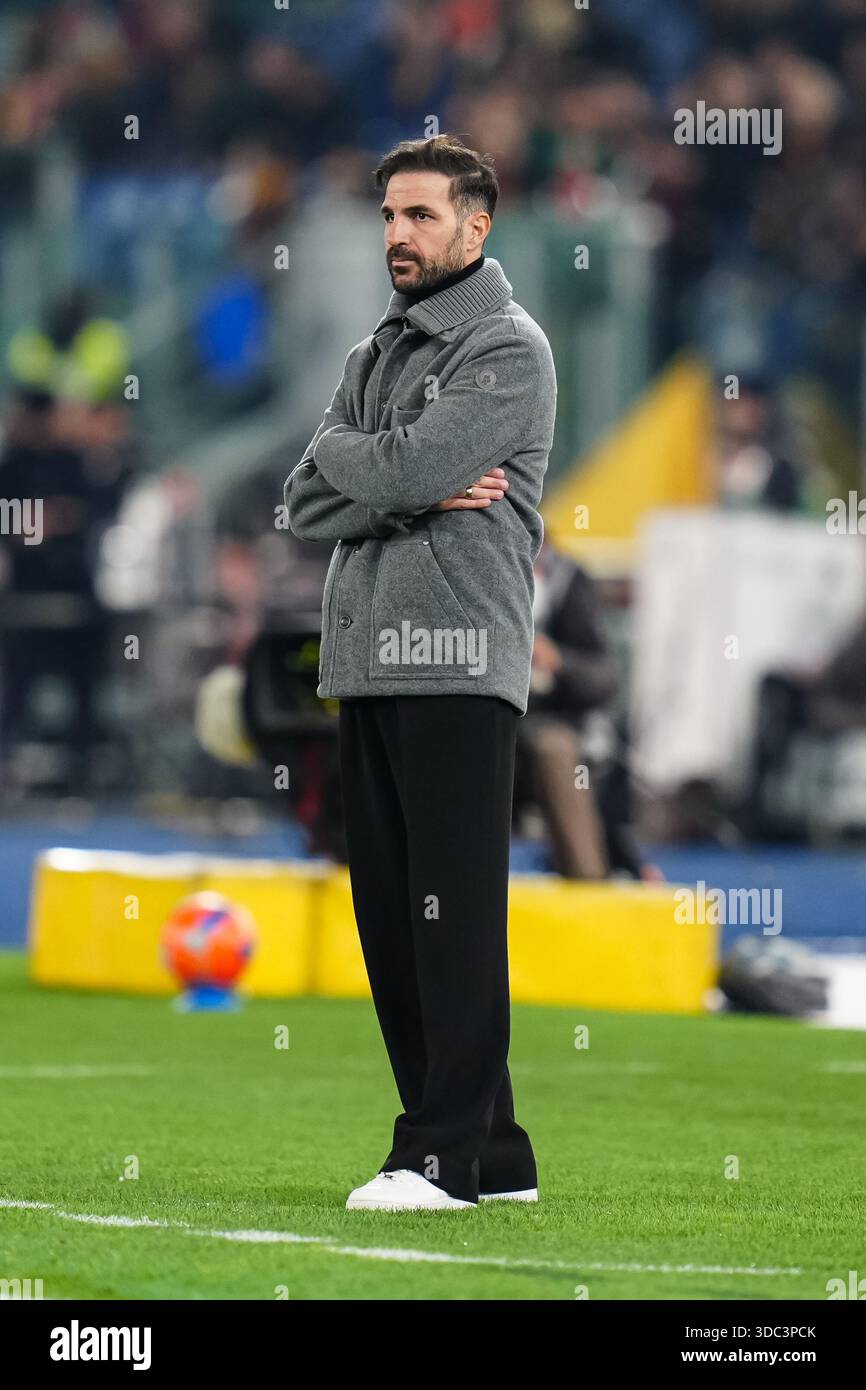
The success of the club is inextricably linked to the leadership of Cesc Fàbregas, whose transition from a decorated player to a managerial role has been pivotal. Fàbregas has consistently emphasized his commitment to the project, dismissing speculation regarding a return to his former clubs and focusing instead on the development of the squad. This commitment is viewed by many as a testament to the stability and ambition that now defines the organization.
A Strategic Shift in Italian Football
The resurgence of Como 1907 is not merely a product of on-field performance but the result of a comprehensive restructuring that began after the club’s acquisition by SENT Entertainment, a group backed by the Indonesian conglomerate Djarum Group. This ownership transition provided the necessary capital to revitalize the infrastructure and attract high-level talent to the Stadio Giuseppe Sinigaglia. According to official club communications and league records, the stability provided by this ownership has allowed for a focus on sustainable growth rather than short-term gains.
The club’s recruitment strategy has been frequently cited as a model for smaller teams aiming to compete at a higher level. By blending experienced international players with emerging talent, the management has cultivated a competitive environment that defies the club’s recent history in the lower tiers of the Italian football pyramid. This approach reflects a broader trend in European football, where data-driven scouting and financial discipline are increasingly prioritized to bridge the gap between traditional powerhouses and ambitious challengers.
For fans, the transformation is visible in both the squad’s performance and the club’s engagement with the community. The club has actively sought to modernize its operations while respecting the traditions of Como, a city that has long functioned as a gateway between Italy and Switzerland. The focus on enhancing the matchday experience and expanding the club’s digital presence has helped to cultivate a global fanbase, further solidifying its position as a rising force in the sport.
“I am incredibly happy and I am where I want to be. There is a lot to do, but I am excited about the project and the future of this club,” Fàbregas noted in recent discussions regarding his tenure with the team.
Leadership and the Vision for Growth
The role of Cesc Fàbregas cannot be overstated in the current narrative of Como 1907. His influence extends beyond the tactical setup, acting as a bridge between the ownership’s vision and the players’ execution on the pitch. By choosing to stay with the club following their promotion, Fàbregas has signaled a long-term belief in the project, which has served to reassure both the squad and the supporters.
The management team has also placed a strong emphasis on the development of the club’s academy, aiming to produce local talent that can represent the city at the highest levels of the game. This focus on grassroots development is essential for the long-term viability of the club, ensuring that the connection between the city of Como and its professional team remains strong as they compete on larger stages.
As the club continues to integrate into the higher echelons of Italian football, the challenges will inevitably increase. The transition from the lower divisions to elite competition requires not only tactical acumen but also the institutional strength to handle the increased scrutiny and pressure that comes with playing against Europe’s best teams. The current leadership has demonstrated a commitment to this process, prioritizing steady progress over rapid, unsustainable expansion.
Future Prospects and Competitive Challenges
Looking ahead, the focus for Como 1907 remains on consolidating its position and continuing the development of its playing philosophy. The upcoming seasons will serve as a critical test for the organization, as they aim to establish themselves as a permanent fixture in top-flight football. The club’s ability to maintain its identity while adapting to the demands of elite competition will be the primary metric for its success in the coming years.
The broader implications of Como’s success are also worth noting. The club’s model of sustainable growth and strategic investment provides a potential blueprint for other historic clubs facing similar financial and sporting challenges. By leveraging international investment while maintaining a focus on local community engagement, Como 1907 has managed to create a narrative that transcends the sport itself, offering a sense of hope and rejuvenation for the city.
As the footballing world turns its attention to the next season, the anticipation surrounding Como 1907 continues to grow. Whether the club can sustain its momentum and fulfill its potential remains a question that will be answered on the pitch, but the foundations for a successful era have clearly been laid. The journey from bankruptcy to the heights of European competition is a testament to the power of a clear vision and the importance of steady, disciplined management in the modern era of professional football.
For the latest updates regarding the club’s roster changes, pre-season schedules, and official statements, supporters are encouraged to monitor the official Como 1907 website. As the team prepares for its next competitive cycle, engagement from the community and the global fanbase will remain a vital component of the club’s continued evolution.
Keep reading