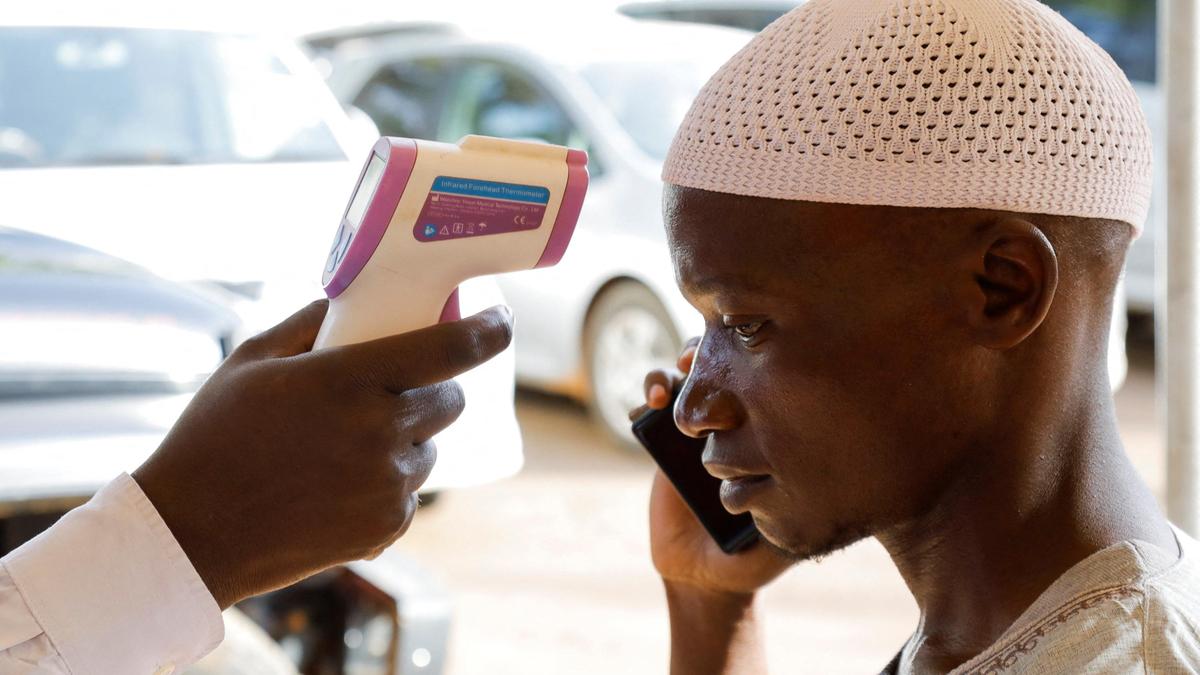
Ugandan authorities have ordered the closure of the border with the Democratic Republic of Congo “with immediate effect” as the region faces a significant surge in a rare strain of Ebola. This decision, which deviates from current guidance provided by the World Health Organization (WHO), marks a critical shift in the regional response to an outbreak that has already resulted in nearly 1,000 suspected cases across the border.
The move comes as health officials in Uganda report an increase in domestic exposure, particularly among health workers who had contact with Congolese patients who crossed into the country before the outbreak was officially declared on May 14. Dr. Diana Atwine, permanent secretary of the Ministry of Health, confirmed that travel across the border will now be restricted to emergency cases only, including those related to the outbreak response, essential cargo, or security requirements.
For those permitted to enter Uganda under these emergency circumstances, the government has mandated a 21-day period of self-isolation. This measure is intended to curb the transmission of the Bundibugyo strain of the virus, a rare variant for which Notice currently no approved vaccines or specific medical treatments available.
Understanding the Current Outbreak
The ongoing crisis in eastern Congo has seen the number of suspected cases approaching 1,000, with at least 220 suspected deaths reported. According to the World Health Organization, while the outbreak has been declared a public health emergency of international concern, the organization has generally discouraged complete border closures, noting that neighboring countries remain at high risk of contagion.
The virus is primarily spread through close contact with the bodily fluids of symptomatic or deceased patients. Health experts emphasize that health care workers and family members providing direct care to the sick face the highest risk of infection. In eastern Congo, the health ministry has confirmed 101 cases and is currently tracking more than 3,000 potential contacts to prevent further spread.
Challenges in Containment and Surveillance
The containment efforts are complicated by several factors, including the remote geography of the affected areas and the nature of the virus itself. Early symptoms of Ebola, which often manifests as hemorrhagic fever, can be easily misclassified as other common illnesses such as malaria or the flu. This potential for misdiagnosis, combined with community distrust and the realities of operating within a conflict zone, creates a difficult environment for surveillance teams.
Medical professionals note that many cases likely go unreported as families may avoid formal health care centers. Current figures are often viewed by experts as a baseline rather than a total count, as many deaths may occur before they can be officially recorded by health authorities.
The risk to the wider global community, including the United States, is currently assessed as low, though health officials stress that “low” does not equate to zero. Factors such as limited air connectivity in the affected region of the Democratic Republic of Congo serve as a natural barrier to rapid international transmission, contrasting with the logistical landscape seen during the 2014-2016 West African outbreak.
Moving Forward: Protocol and Protection
For those in the region, the focus remains on the identification and isolation of contacts, which is considered the primary defense against the spread of the disease. Uganda’s health ministry has emphasized that the border closure is a temporary measure designed to protect the domestic population while the epidemiological situation remains volatile.
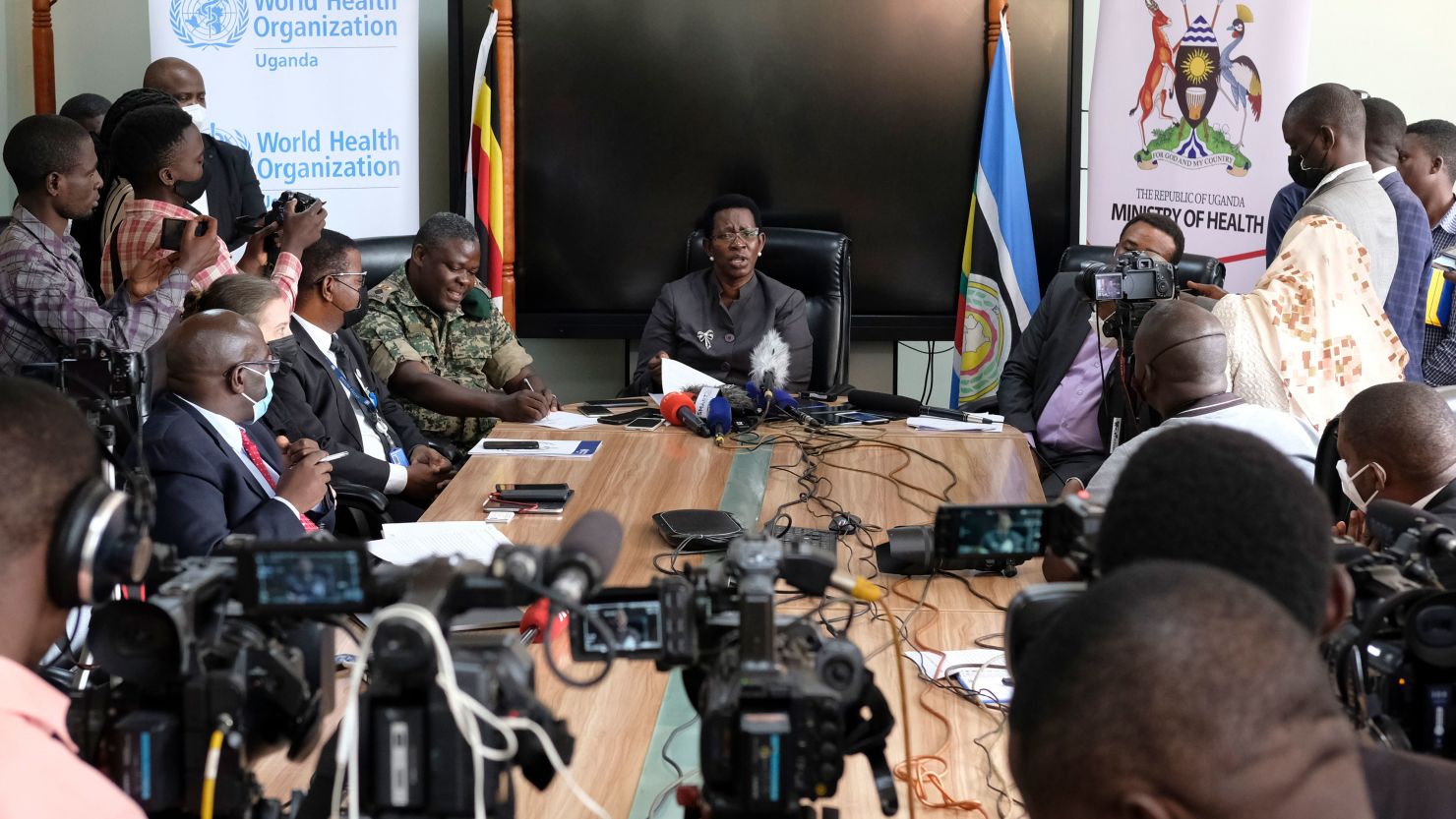
The government continues to coordinate with international partners to manage the influx of cargo and authorized personnel, ensuring that the necessary supplies for the outbreak response reach the intended areas. Further updates regarding border status and health advisories are expected to be issued by the Ugandan Ministry of Health as the situation develops.
We will continue to monitor the status of this outbreak and provide updates as official figures are released. For the latest health guidance, please consult your local public health authority or the official portal of the World Health Organization. We invite our readers to share their thoughts or questions in the comments section below as we track this evolving international health situation.
Keep reading