
The New Zealand Court of Appeal has dismissed a bid by the gunman responsible for the 2019 Christchurch mosque attacks to overturn his guilty pleas, with judges describing the application as “utterly devoid of merit.” The ruling ensures that the convictions for the deadliest mass shooting in the country’s history remain intact, rejecting claims that the perpetrator was coerced into admitting his crimes due to poor mental health.
Brenton Tarrant, an Australian white supremacist, sought to vacate his guilty pleas by arguing that “inhumane” prison conditions and solitary confinement had caused his mental state to fluctuate wildly, compromising his ability to make a voluntary decision. But, the court found no evidence to support these claims, concluding instead that the gunman attempted to mislead the judiciary to secure a new trial.
The decision brings a further layer of finality to a case that has profoundly impacted New Zealand’s social and legal landscape. Tarrant is currently serving the most severe sentence ever handed down in the nation’s judicial history, a penalty designed to reflect the unprecedented scale of the atrocities committed on March 15, 2019.
A Bid “Utterly Devoid of Merit”
In a hearing held in February, Tarrant’s legal team argued that the gunman had suffered a “miscarriage of justice.” The core of the appeal rested on the assertion that Tarrant’s mental health was “wildly fluctuating” at the time he entered his pleas, allegedly driven by the psychological toll of solitary confinement and “mental games” played by prison guards. He further claimed that a lack of sufficient reading material contributed to his deterioration.
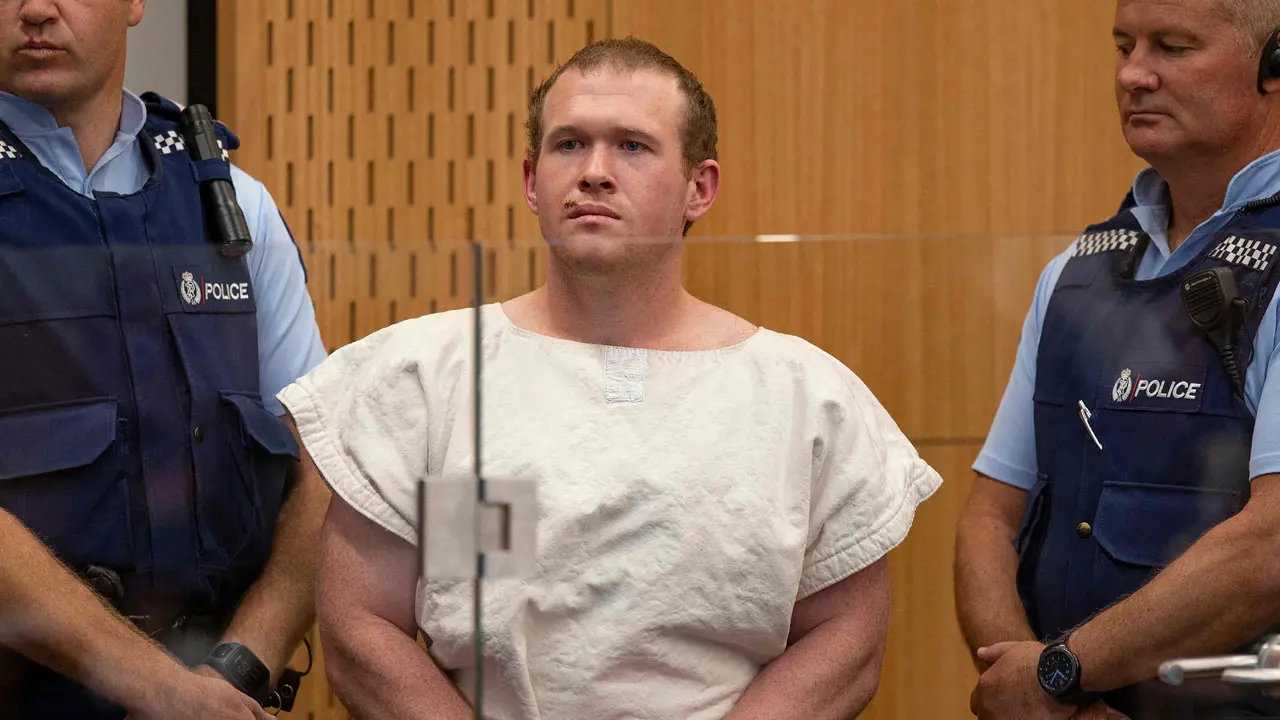
The Court of Appeal categorically rejected these arguments. In its decision released Thursday, the court stated that Tarrant’s claims were inconsistent with the detailed observations made by trial lawyers, mental health professionals, and prison authorities. The judges concluded that Tarrant was not coerced or pressured in any way and that the evidence “overwhelmingly demonstrates” he was not suffering significant psychological impacts from his prison conditions when he pleaded guilty.
The court’s language was stark, noting that the perpetrator “endeavoured to mislead us about his state of mind in a weak attempt to advance an appeal.” The ruling emphasized that the decision to plead guilty was an “informed and totally rational” one, effectively stripping away the legal basis for the request to vacate the convictions.
The Legal Timeline and Filing Failures
Beyond the lack of merit in the mental health claims, the court highlighted a significant procedural failure: the timing of the application. In New Zealand, the standard timeframe for filing a notice of appeal is 20 working days. Tarrant’s application for an extension of time was filed 505 working days too late.
The court found that Tarrant failed to provide an adequate explanation for this massive delay, especially considering he had consistent access to legal representation. This procedural lapse served as a secondary, insurmountable barrier to his bid, reinforcing the court’s view that the application was a strategic attempt to reopen a closed case rather than a legitimate pursuit of justice.
The Historic Weight of the Sentence
The convictions Tarrant attempted to overturn are among the most serious in global jurisprudence. On March 15, 2019, the gunman attacked two mosques in Christchurch, killing 51 people and injuring dozens more. The attack was livestreamed and accompanied by a hateful manifesto, marking it as a calculated act of terrorism.
Tarrant eventually pleaded guilty to a staggering array of charges: 51 counts of murder, 40 counts of attempted murder, and one charge of committing a terrorist act. In August 2020, he became the first person in New Zealand history to be sentenced to life imprisonment without the possibility of parole. This sentence ensures that he will spend the remainder of his natural life in prison, a ruling that reflects the gravity of the crimes and the scale of the loss suffered by the victims’ families and the wider community.
Key Case Facts at a Glance
| Category | Detail |
|---|---|
| Total Murder Charges | 51 |
| Attempted Murder Charges | 40 |
| Terrorism Charges | 1 charge of committing a terrorist act |
| Sentence | Life imprisonment without parole |
| Appeal Status | Denied (dismissed as “utterly devoid of merit”) |
Implications for Judicial Finality
For the families of the victims, the Court of Appeal’s decision provides a critical sense of closure. The prospect of a new trial—which would have been the result of a successful appeal—would have required witnesses and survivors to relive the trauma of the 2019 attacks in a public forum. By dismissing the bid, the court has prevented a secondary trauma and upheld the integrity of the original guilty pleas.

From a legal perspective, the ruling reaffirms the high threshold required to overturn guilty pleas, particularly when those pleas are supported by a rational record and professional mental health assessments. It sends a clear signal that claims of “inhumane conditions” cannot be used as a retrospective tool to escape a life sentence when the evidence suggests the defendant was fully aware of their actions and the legal consequences.
The decision also underscores the importance of strict adherence to judicial timelines. The 505-day delay in filing was not merely a technicality but a reflection of the lack of urgency and merit in the appeal. In the eyes of the court, the attempt to bypass the 20-day limit without a compelling reason was indicative of a bad-faith effort to manipulate the legal system.
With this ruling, the legal path for Brenton Tarrant to challenge his convictions has effectively vanished. He remains incarcerated under the heaviest sentence in New Zealand’s history, with no further prospect of walking free.
The next official checkpoint regarding Tarrant’s incarceration involves the ongoing administration of his life sentence by the Department of Corrections, though no further hearings or appeals are currently scheduled.
We invite our readers to share their thoughts on this ruling in the comments section below. How should judicial systems balance the rights of the accused with the need for finality in cases of mass atrocity?