
In an era of meticulously polished network procedurals and sanitized crime dramas, there is a visceral, blood-soaked relic of the early 2010s that continues to defy expectations. For many viewers navigating the sprawling library of Max, the series Banshee remains a hidden gem—a high-octane blend of noir, pulp action, and small-town dysfunction that feels more like a sequence of feature films than a traditional television show.
As an entertainment editor who has spent over 15 years tracking the evolution of prestige TV from the early days of the Golden Age to the current streaming wars, I find Banshee to be a fascinating study in unapologetic storytelling. Even as contemporary shows often hesitate to lean into the “B-movie” aesthetic, Banshee embraces it with an intensity that is both shocking and exhilarating. It is, quite literally, the best show many people have never seen.
The series follows an unnamed ex-con who arrives in the quiet town of Banshee, Pennsylvania, and through a chaotic series of events, assumes the identity of the town’s latest sheriff. This central deception serves as the catalyst for a narrative that spirals into a complex web of organized crime, revenge, and unexpected alliances. For those seeking a narrative that prioritizes momentum and raw energy over slow-burn pacing, the Banshee HBO series (originally produced for Cinemax) offers a masterclass in tension.
The High-Stakes Gamble of Identity
The brilliance of Banshee lies in its premise: a man with a violent past attempting to play the role of the law. The protagonist, known to the town as Lucas Hood, is not a traditional hero. He is a skilled fighter and a strategic thinker, but he is fundamentally an impostor. This creates a constant, underlying current of anxiety; every interaction with the townspeople and every official report is a potential exposure of his true identity.
This dynamic is elevated by the performance of Antony Starr, who portrays Hood with a brooding, physical intensity. Long before he became a global household name as the terrifying Homelander in The Boys, Starr honed his ability to balance charisma with a latent, explosive volatility in Banshee. His portrayal of Hood is a study in controlled aggression, making the character’s eventual outbursts feel earned and inevitable.
The setting of Banshee, Pennsylvania, is more than just a backdrop; it is a character in its own right. The town is a pressure cooker of conflicting interests, where the local law enforcement is often as compromised as the criminals they pursue. The series expertly balances the “fish out of water” trope with a gritty realism that ensures the stakes always feel tangible.
A Unique Collision of Culture and Crime
One of the most distinctive elements of the series is its integration of the Amish community into the criminal underworld. Rather than treating the Amish as mere background scenery or caricatures, Banshee weaves them into the very fabric of the town’s power structure. The tension between the traditional, secluded lifestyle of the Amish and the violent ambitions of the town’s power players provides a unique narrative friction.
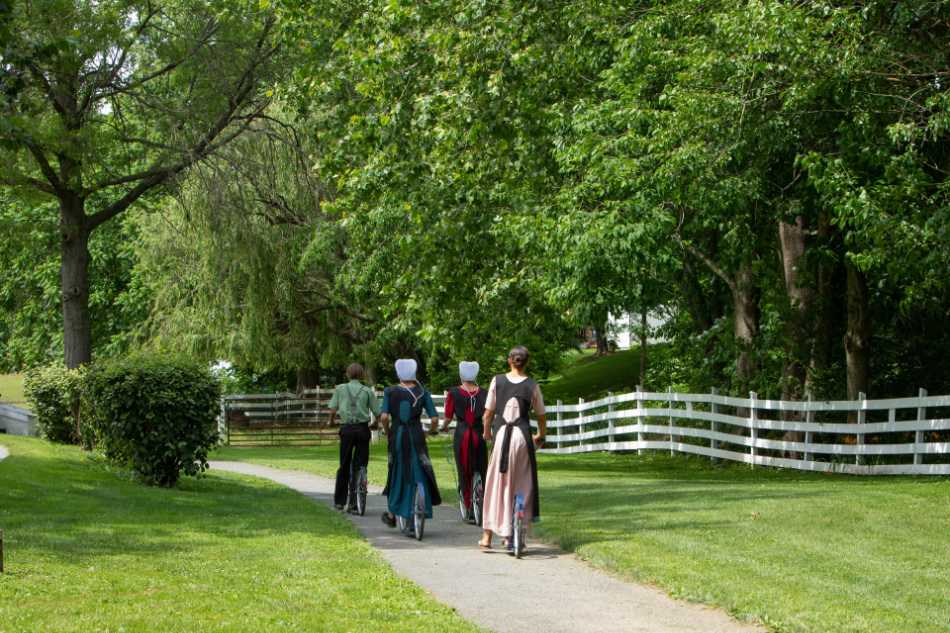
The presence of an Amish crime syndicate adds a layer of unpredictability to the plot. It challenges the viewer’s preconceptions about the community, presenting a world where faith and tradition coexist with ruthlessness and greed. This cultural clash is central to the show’s identity, ensuring that the conflict feels specific to the geography of rural Pennsylvania rather than a generic crime setting.
This narrative choice allows the show to explore themes of belonging and betrayal. As characters move between the rigid boundaries of the Amish community and the lawless fringes of the town, the series examines what happens when individuals are forced to choose between their heritage and their survival.
Redefining Action on the Compact Screen
What truly separates Banshee from its contemporaries is its approach to action. In many network crime shows, fight scenes are often choreographed to be bloodless and brief, serving merely as plot devices to move the story from one dialogue scene to the next. Banshee treats its action sequences as cinematic events.
The choreography is brutal, intimate, and meticulously executed. Whether it is a bar brawl or a high-stakes heist, the violence is depicted with a visceral quality that emphasizes the physical toll of the conflict. The production values are remarkably high for its time, utilizing a style that mirrors the grit of modern action cinema. Every punch feels heavy, and every consequence is felt.
This commitment to physicality is mirrored in the show’s pacing. Banshee rarely lingers on unnecessary exposition, preferring to reveal character through action. We learn who these people are not by what they say, but by how they fight, how they bleed, and how they recover. This lean approach to storytelling keeps the energy high across its four-season run, culminating in a definitive conclusion that avoids the common pitfall of overstaying its welcome.
Why Banshee Matters in Today’s TV Landscape
In a current landscape dominated by “prestige” dramas that often prioritize ambiguity and leisurely pacing, Banshee is a reminder of the power of the “pulp” sensibility. It does not pretend to be a high-brow social commentary, yet it manages to be deeply engaging by focusing on the fundamental elements of drama: desire, betrayal, and the struggle for power.
For the modern viewer, the show serves as an ideal “binge-watch.” Its episodic structure provides immediate gratification, while the overarching plot arcs provide the necessary depth to keep the audience invested. The transition of the series to Max has given it a second life, allowing a new generation of viewers to discover a show that was perhaps too bold for the fragmented cable landscape of 2013.
the series highlights the evolution of the “anti-hero.” While characters like Tony Soprano or Walter White were defined by their descent into darkness, Lucas Hood is a man trying to navigate a world he has already burned down. His journey is not one of corruption, but of complicated redemption, making him a compelling anchor for the series’ chaos.
Quick Guide to Watching Banshee
| Detail | Information |
|---|---|
| Original Network | Cinemax |
| Current Streaming Home | Max |
| Total Seasons | 4 |
| Lead Actor | Antony Starr |
| Genre | Action / Crime Drama |
The Legacy of a Cult Classic
Banshee succeeds because it knows exactly what it is. It is a show about the masks people wear and the violence that erupts when those masks are stripped away. By combining a high-concept premise with relentless execution, it carved out a niche that few other shows have managed to fill.
For those who have grown tired of the predictable rhythms of the police procedural, Banshee offers a refreshing alternative. It is a reminder that television can be raunchy, violent, and unapologetically entertaining without sacrificing narrative coherence. It is a celebration of the “action movie” spirit transposed onto the small screen.
As we look forward to the next wave of streaming hits, the enduring appeal of Banshee suggests a continuing appetite for stories that take risks. In a world of safe bets and algorithmic content, the raw, unbridled energy of Banshee, Pennsylvania, remains a beacon for viewers who want their television to hit hard.
While You’ll see currently no announced plans for a revival or spin-off of the series, its legacy lives on through the continued success of its lead actor and its status as a gold standard for action-driven television. For those who haven’t yet taken the plunge, the entire journey is available to stream now.
Do you feel Banshee is the most underrated action series of the last decade? Or do you have another hidden gem on Max we should be watching? Let us know in the comments below or share this article with your fellow binge-watchers.