
Brazilian President Luiz Inácio Lula da Silva recently commented on the status of Neymar Jr. within the national football team, sparking widespread discussion regarding the forward’s future in international competition. During a recent public appearance, the President suggested that the national squad has evolved to a point where it no longer relies on a single individual, a remark interpreted by various observers as a critique of the Al-Hilal player’s long-standing dominance in the Seleção’s tactical setup.
The comments come at a time of significant transition for the Brazilian national team, which is currently navigating a challenging qualification cycle for the 2026 FIFA World Cup. While Neymar remains the country’s all-time leading goalscorer according to official FIFA records, his consistent availability has been hampered by prolonged injury issues, most notably a severe ACL tear suffered in October 2023.
The Context of Presidential Commentary
President Lula’s remarks were delivered in a lighthearted, yet pointed manner during a discussion about the state of Brazilian football. He noted that while Neymar is a player of immense technical talent, the team’s identity is shifting. The President’s assessment reflects a growing sentiment among segments of the Brazilian public that the “Neymar-dependency” model has failed to deliver the desired results in recent major tournaments, including the 2022 World Cup in Qatar.
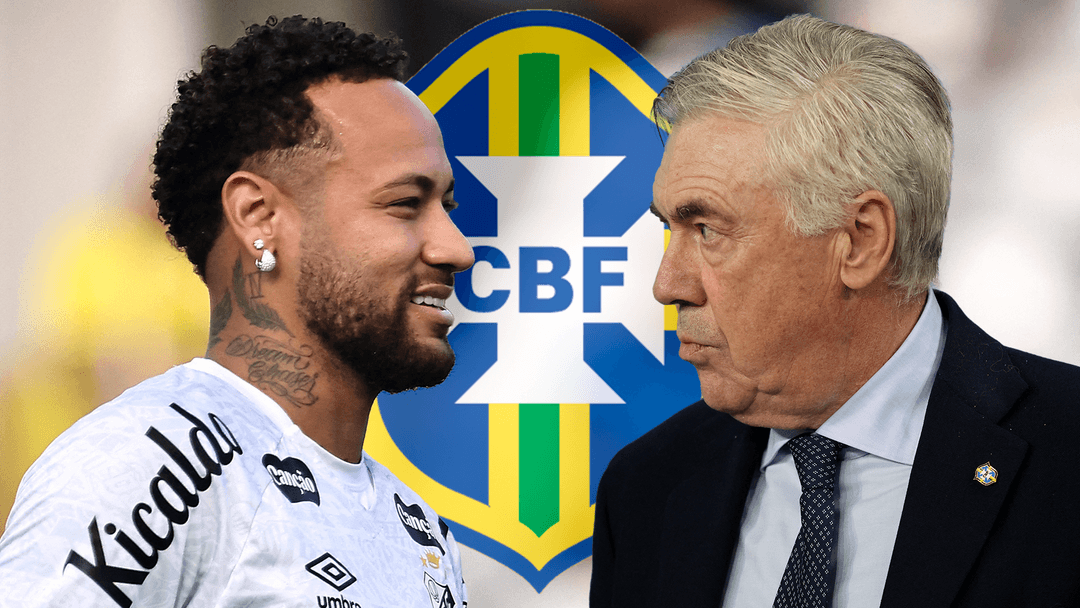
This political involvement in sports discourse is not unprecedented in Brazil, a nation where the national football team is deeply intertwined with national identity. However, these specific comments have drawn attention because they challenge the narrative of Neymar as the indispensable figurehead of the team. The forward, who moved to the Saudi Pro League in 2023, has faced increasing scrutiny regarding his physical fitness and commitment to the national team’s tactical requirements.
National Team Status and Future Availability
The uncertainty surrounding Neymar’s return to the pitch has been a primary concern for the Brazilian Football Confederation (CBF). According to reports from Reuters, the player has only recently returned to training following his year-long layoff. This extended absence has forced national team managers to experiment with new offensive structures, often prioritizing younger talents like Vinícius Júnior and Rodrygo.

Carlo Ancelotti, the Real Madrid manager frequently linked to the Brazil head coach position in past cycles, has spoken generally about the resilience of the Brazilian squad in the face of star absences. While current manager Dorival Júnior has maintained that Neymar remains a significant part of his plans, the team’s tactical adjustments suggest a transition toward a more collective approach. The focus remains on the upcoming international windows, where the coaching staff will assess whether the 32-year-old can regain the match fitness required for high-intensity competitive fixtures.
Strategic Shifts in the Seleção
The debate over Neymar’s role highlights a broader tension between legacy and evolution within the Brazilian setup. Statistically, the team has performed with mixed results in the absence of its captain. The current squad is undergoing a generational shift, with an emphasis on defensive stability and fluid attacking transitions that do not necessarily tether the team to a traditional “number 10” role.
The following points summarize the current situation regarding the player’s potential return:

- Injury Recovery: Neymar has been sidelined since October 2023 following an ACL and meniscus injury sustained during a World Cup qualifier against Uruguay.
- Club Situation: His contract with Al-Hilal continues to be a subject of speculation, with questions regarding his future availability for both club and country.
- Managerial Stance: The national team coaching staff has not definitively ruled him out of the 2026 World Cup cycle, but they have emphasized that all players must prove their physical readiness.
- Public Sentiment: Presidential commentary reflects a broader, often polarized, view of the player’s influence on the team’s recent competitive performance.
As the South American qualification process for the 2026 World Cup continues, the pressure on the CBF to deliver a cohesive team unit remains high. The next major test for the squad will be the upcoming qualifying matches, where the team will look to solidify its standing in the CONMEBOL table. Further updates regarding squad selection for the next international break are expected to be announced by the CBF in the coming weeks. We encourage our readers to follow our ongoing coverage as we track these developments and the potential return of the national team’s most prominent, and often controversial, figure.
Worth a look