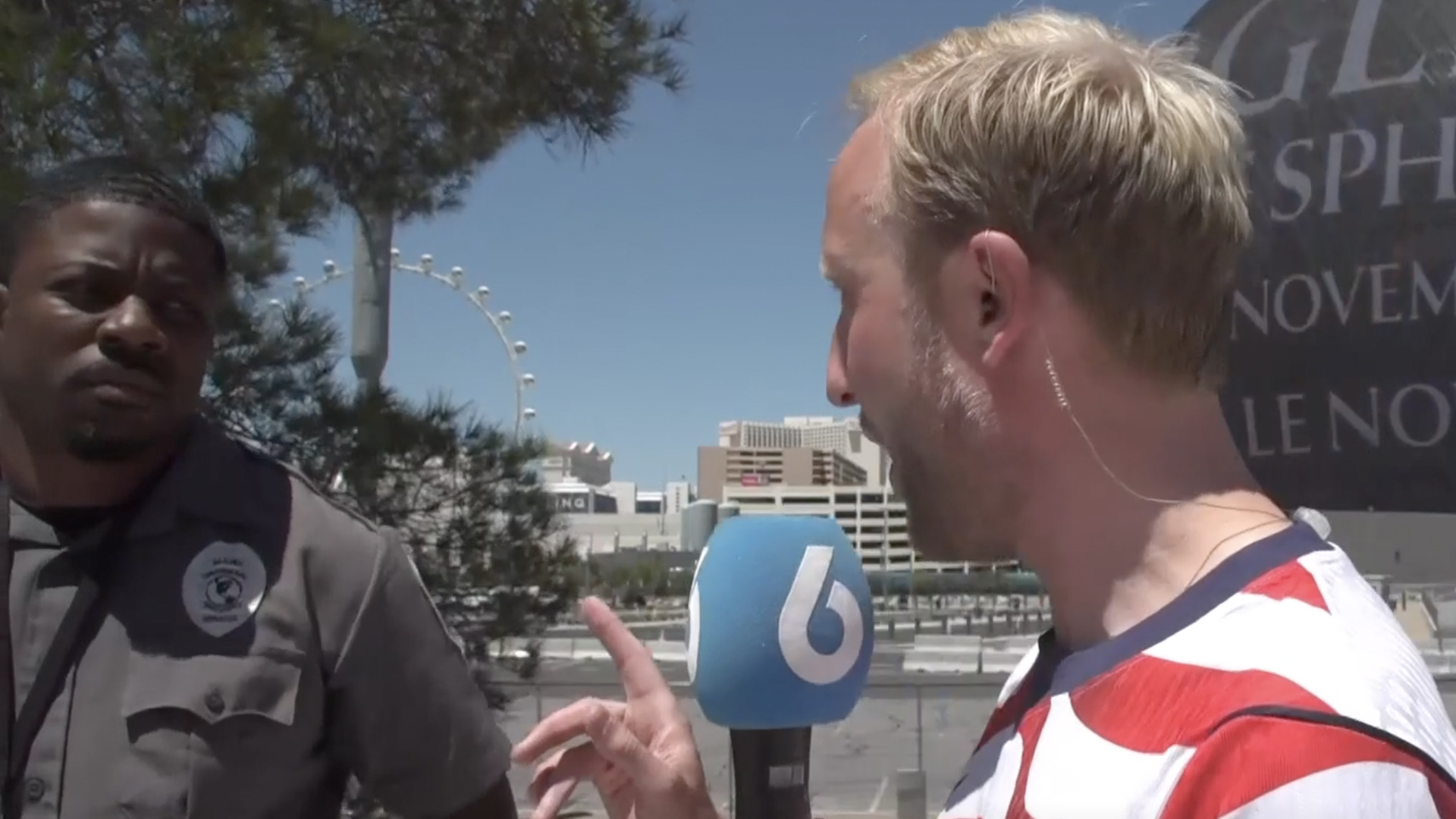
Dutch television personality Raymond Mens was instructed to vacate a specific location by a law enforcement officer during a recent visit to the United States, an encounter that has since drawn public attention. The incident, which occurred while Mens was engaged in professional reporting activities, highlights the complexities journalists face when navigating public spaces and local municipal ordinances in American cities.
According to reports verified through broadcast segments and social media documentation, the interaction took place while Mens was filming on-location. The officer, citing specific jurisdictional authority, requested that the production crew move from their current position. This event serves as a practical example of the tension between media access and the enforcement of public safety or permit-related regulations in urban environments.
Understanding Public Space Regulations and Media Access
In the United States, the ability of journalists to film in public spaces is generally protected under the First Amendment of the U.S. Constitution, which guarantees freedom of the press. However, this right is not absolute and is subject to “time, place, and manner” restrictions. Local police departments are empowered to enforce ordinances that prevent the obstruction of public thoroughfares or ensure the safety of pedestrians and traffic, as outlined by the Reporters Committee for Freedom of the Press.
When an officer issues a directive to move, it is often based on the interpretation of local noise ordinances, permit requirements for commercial filming, or private property boundaries. In many major U.S. jurisdictions, commercial productions—including news crews—are required to obtain specific film permits if they are using equipment that could be deemed a public nuisance or an obstruction. Without such documentation, law enforcement retains the discretion to mandate a relocation to maintain public order.
The Role of On-the-Ground Reporting
Journalists covering international politics, such as Mens, frequently operate in environments where they must balance the need for authentic, “on-the-street” footage with the realities of local policing. The interaction experienced by Mens underscores that even experienced media professionals can encounter friction when attempting to capture spontaneous content in sensitive or high-traffic areas.

For international crews, the challenge is compounded by potential unfamiliarity with localized municipal codes. While the U.S. legal framework is generally favorable to journalists, the practical application of these laws often falls to the individual officer on the scene. According to guidelines from the Student Press Law Center, which provides comprehensive resources on media rights, officers are permitted to enforce neutral rules that apply to all citizens equally, provided those rules do not target the content of the reporting.
How Jurisdictional Authority Functions
The phrase “You have to go” represents a standard directive used by law enforcement when a person or group is found to be in violation of a specific local regulation. In the context of the incident involving Mens, the officer’s request reflects a standard approach to managing public space. There is no indication that the directive was based on the political nature of the reporting, but rather on the physical presence of the production team in a restricted or high-traffic zone.
For those interested in the legal nuances of public space access, the American Civil Liberties Union (ACLU) provides detailed guidance on the rights of individuals and reporters in public areas. These resources emphasize that while citizens have a right to record police activity in public, they must not interfere with the officer’s ability to perform their duties. If an officer determines that a person is interfering with public safety or flow, they have the legal authority to order a dispersal or relocation.
Next Steps and Future Reporting
The incident involving Raymond Mens does not appear to have resulted in formal charges or legal repercussions, suggesting it was treated as a routine administrative request by local authorities. Such encounters are common in the industry and typically conclude once the media crew complies with the officer’s instructions. As of the latest updates, there are no scheduled hearings or official police filings related to this specific interaction.
For international media professionals, the primary takeaway remains the importance of verifying local filming permit requirements before beginning production in U.S. cities. Maintaining clear communication with local authorities and understanding municipal codes can prevent similar interruptions in the future. Readers are encouraged to share their thoughts on the balance between media freedom and public order in the comments section below.