In the high-stakes world of professional football, the search for a franchise quarterback remains the ultimate pursuit for every organization. As the landscape of the National Football League (NFL) continues to evolve, the distinction between sustained success and rebuilding cycles often rests on the shoulders of the person under center. For team owners, identifying and securing that signal-caller is a monumental task that requires a blend of scouting prowess, financial commitment, and, at times, a significant measure of fortune.
The pursuit of a long-term solution at the quarterback position is a defining narrative for many franchises, often dictating the tenure of general managers and head coaches alike. While owners such as Jeffrey Lurie of the Philadelphia Eagles and Clark Hunt of the Kansas City Chiefs have seen their organizations stabilize around marquee talents, the path to such stability is rarely linear. Conversely, other executives, including Jimmy Haslam of the Cleveland Browns, have navigated a more turbulent road, marked by numerous roster changes in their quest to find a consistent leader.
The Architecture of Franchise Stability
The success of the Philadelphia Eagles under Jeffrey Lurie’s ownership, which began in 1994, has often been linked to the team’s ability to remain competitive through various quarterback eras. According to official team records, the organization has consistently prioritized front-office stability and strategic roster construction. This approach allows the franchise to pivot when necessary while maintaining a core philosophy that values the quarterback’s role in the offensive scheme.
Similarly, the Kansas City Chiefs, led by Clark Hunt, have become a benchmark for modern NFL success. Since taking over as chairman and CEO in 2010, Hunt has overseen a period defined by long-term investment in coaching and player development. The Chiefs’ organizational structure emphasizes patience, a trait that proved essential during the team’s transition to their current franchise quarterback. This patience is a stark contrast to the pressure-cooker environment often found in markets where results are demanded immediately.
Navigating the Challenges of Roster Management
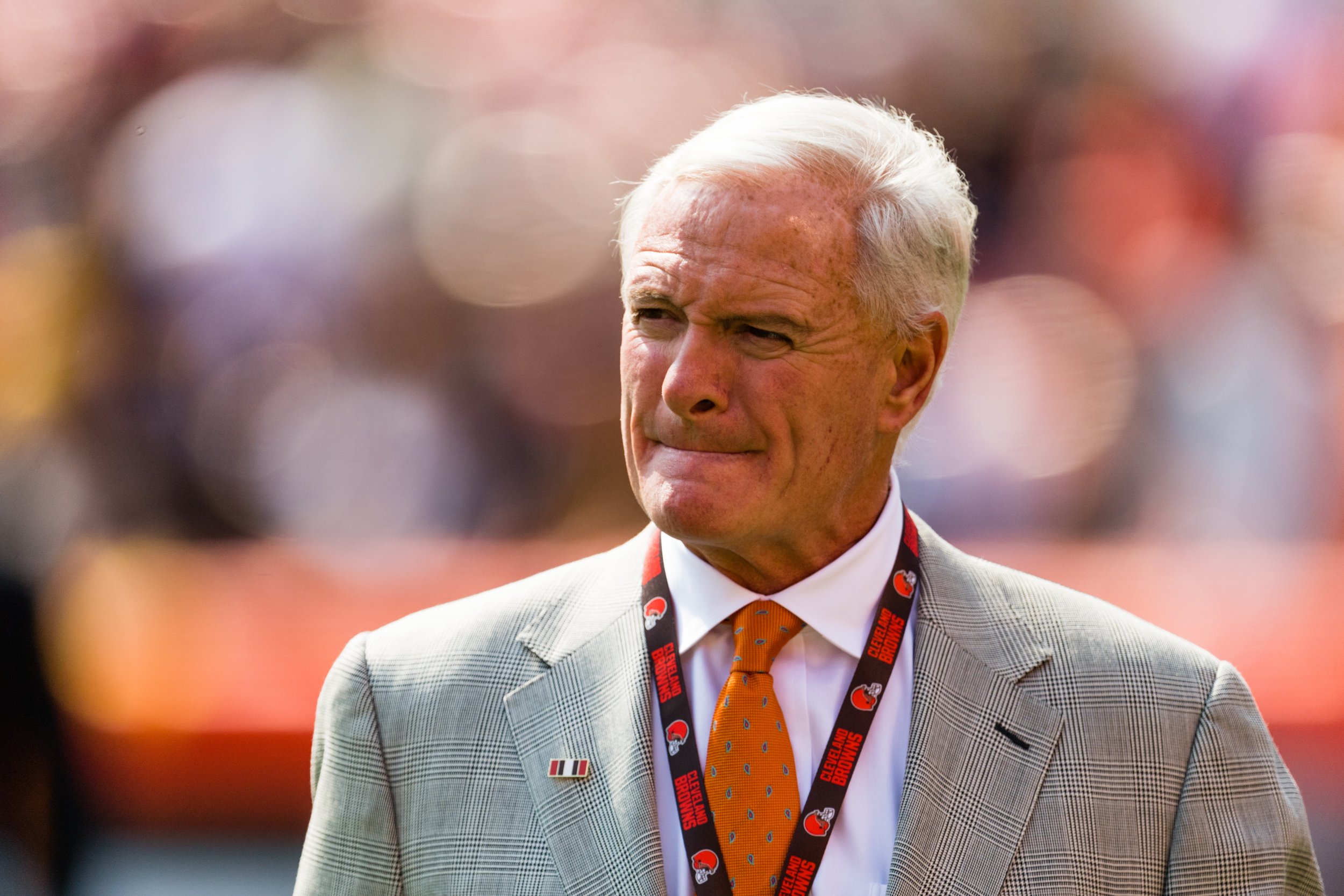
Not every franchise experiences the same trajectory. Jimmy Haslam, who acquired the Cleveland Browns in 2012, has faced a well-documented series of challenges in his efforts to solidify the quarterback position. The history of the franchise during his tenure reflects the inherent volatility of the NFL draft and free agency. For many teams, the “franchise quarterback” label is elusive, and the failure to secure a reliable starter often leads to a cycle of coaching changes and front-office restructuring.
The difficulty lies in the scarcity of elite talent. Statistics consistently show that the success rate of high-round draft picks at the quarterback position is significantly lower than in other positions. When an owner invests heavily in a prospect who does not meet expectations, the financial and competitive ramifications can set a franchise back by several seasons. This reality forces owners to balance the risk of aggressive acquisition strategies against the benefits of methodical, organic growth.
What It Means for the Future of the League
As we look toward the upcoming seasons, the focus on quarterback acquisition remains the central theme of NFL offseasons. The league’s current salary cap structure—which is updated annually by the NFL Management Council—places a premium on high-performing quarterbacks on rookie contracts, as these deals allow teams to allocate financial resources to other areas of the roster. This dynamic has fundamentally changed how owners like Lurie and Hunt approach team building compared to their predecessors.
The conversation surrounding “Tebow-mania” and the unique cultural phenomena that occasionally surround specific players also serves as a reminder that the appeal of a quarterback transcends mere box-score statistics. While some fans and analysts debate the merits of various playing styles, the objective for ownership remains unchanged: winning games and building a sustainable culture. Whether through the draft, trade, or free agency, the pursuit of the next great passer will continue to drive the strategic decisions of every NFL owner.
Key Takeaways for Fans
- Strategic Patience: Organizations that maintain consistency in leadership, such as the Eagles and Chiefs, often find more long-term success in developing quarterbacks.
- Financial Impact: The NFL salary cap necessitates careful management of quarterback contracts to ensure a balanced roster.
- Draft Volatility: The inherent uncertainty of the NFL Draft means that even the most well-researched acquisitions carry significant risk.
- Ownership Influence: While owners provide the resources, the success of a franchise is ultimately a collaborative effort between ownership, scouting departments, and coaching staffs.
The next major milestone for all 32 NFL franchises will be the upcoming league meetings, where owners will convene to discuss policy changes and future scheduling. These sessions often provide insight into the long-term vision of ownership groups and the direction the league is heading. As we follow these developments, the focus will remain on how each team prepares for the rigors of the competitive calendar ahead.
We invite our readers to join the conversation in the comments section below. How do you believe your favorite team should approach the search for a franchise quarterback in the current era? Share your thoughts and stay tuned to World Today Journal for ongoing coverage of the NFL and the business of sports.
Related reading