The NFL running back market has experienced a notable financial rebound, driven by lucrative extensions and contracts secured by elite players such as Christian McCaffrey and Saquon Barkley. Following several seasons characterized by depressed compensation and stalled negotiations for the position, high-profile signings across the league have shifted the economic landscape for backfield stars, according to reports from ESPN and NFL.com.
This upward correction in positional value arrives as a new wave of explosive offensive talents enters the professional ranks. Front offices are recalibrating how they compensate elite runners who contribute significantly in both the running and passing games, reversing a multi-year trend of financial stagnation for the position.
For a comprehensive look at the changing financial landscape of professional football, review the analysis provided by NFL.com regarding recent roster investments.
Financial Recovery Led by Elite Veterans
The resetting of the running back market gained significant momentum through substantial deals finalized for established veterans. San Francisco 49ers running back Christian McCaffrey and Philadelphia Eagles running back Saquon Barkley secured major financial commitments that broke the previous stagnation, as detailed by ESPN.
These agreements demonstrated that front offices remain willing to pay premier players who anchor high-production offenses. The market correction provided a vital baseline for younger players entering the league on rookie contracts, altering the financial calculus for future negotiations.
The Next Wave: Gibbs and Robinson
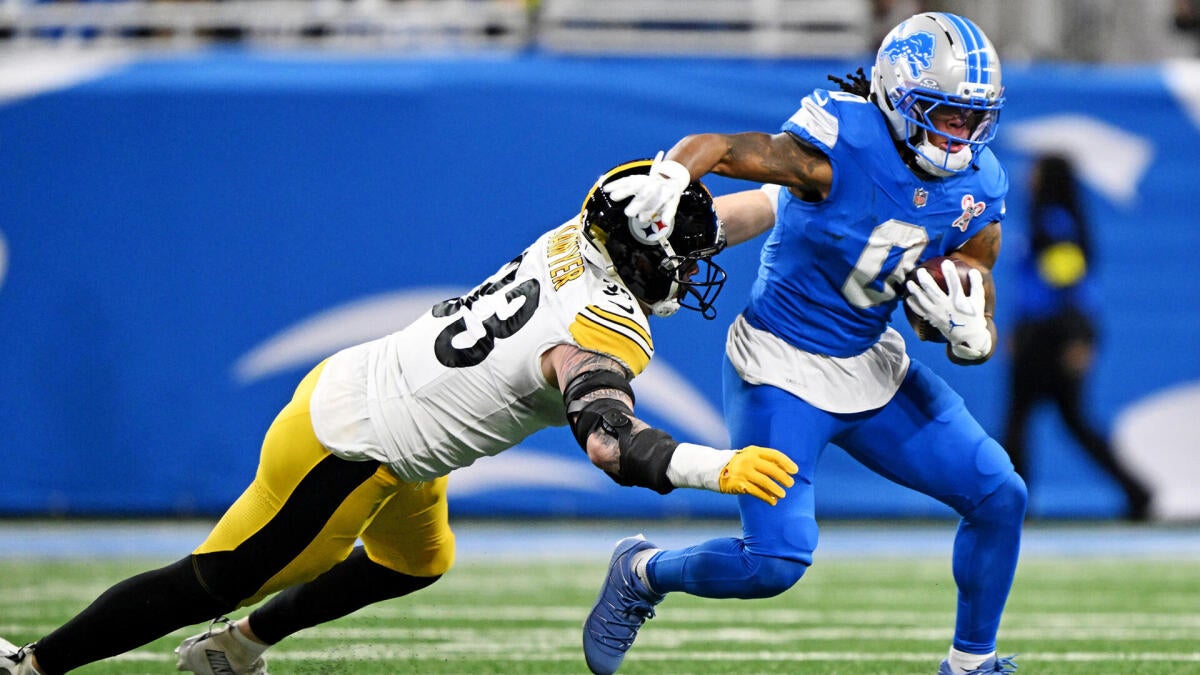
As the market stabilizes, attention turns to dynamic young talents like Detroit Lions running back Jahmyr Gibbs and Atlanta Falcons running back Bijan Robinson. Both players entered the league as high first-round draft picks, showcasing versatile skill sets that modern offensive coordinators exploit in open space.
Sports economists and team executives evaluate these players not merely as traditional ball-carriers, but as primary mismatch weapons in the passing game. Their performance trajectory directly influences how agents approach upcoming contract cycles, testing just how high a resurgent market can climb for elite dual-threat runners.
Market Implications and Future Outlook
The ongoing economic shift challenges the conventional wisdom that running backs are easily replaceable commodities with short career spans. While backup and rotational players still face a difficult market, elite starters who dictate defensive game plans are commanding significant shares of the salary cap once again.
The upcoming league calendar and subsequent franchise tag windows will reveal whether this financial recovery extends to mid-tier veterans or remains restricted to transcendent talents at the top of the depth chart.
Worth a look