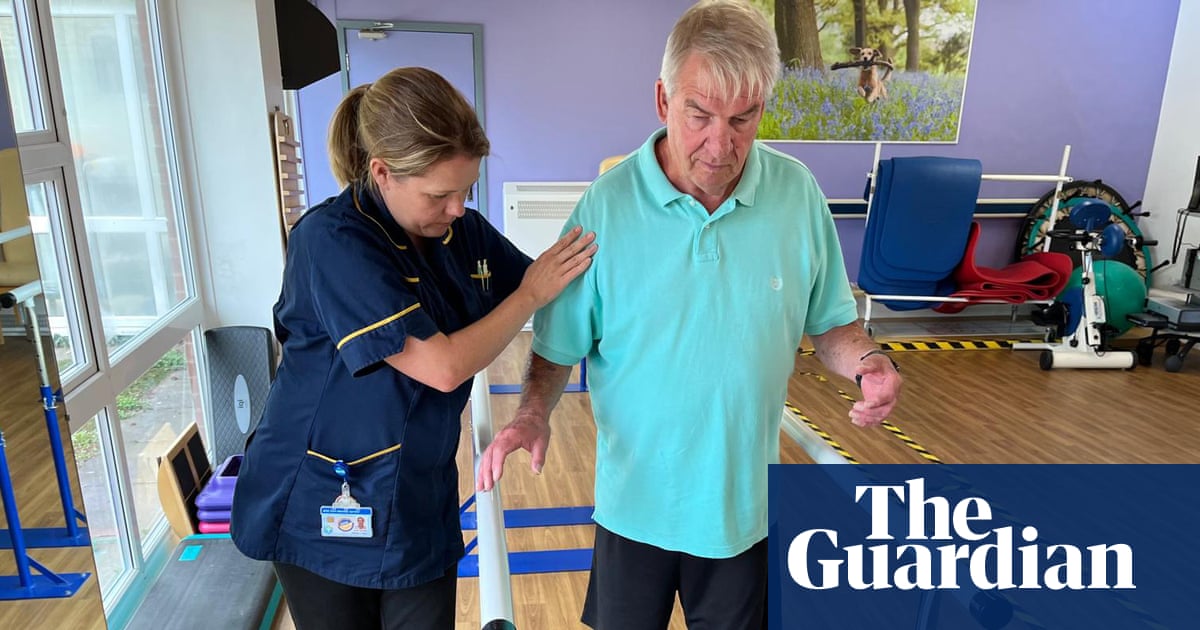
NHS Stroke Rehabilitation Services Face Critical Staffing Shortages, Jeopardizing Patient Recovery
London, UK – A growing crisis in National Health Service (NHS) rehabilitation staffing is leaving stroke survivors across the United Kingdom with limited access to vital care, hindering their recovery and potentially leading to lifelong disabilities. Health leaders are warning that current staffing levels are inadequate to meet the needs of the increasing number of stroke patients, despite improvements in initial survival rates. The situation is prompting calls for urgent investment and a comprehensive review of rehabilitation service provision.
Stroke is a serious, life-threatening medical condition occurring when the blood supply to part of the brain is cut off according to the NHS. Whereas survival rates have improved – falling 43 percent from 48,823 deaths in 2001 to 27,344 in 2024 – the quality of life post-stroke is increasingly dependent on access to timely and effective rehabilitation. The current shortfall in staff is directly impacting the ability of patients to regain essential skills and independence.
National Audit Reveals Widespread Staffing Deficiencies
A national audit of stroke services, conducted in 2025, revealed a deeply concerning reality: not a single community team in England has the required staffing levels to provide adequate care to stroke patients. The Independent reported that this finding has prompted a top doctor to warn that patients are being left with avoidable lifelong disabilities. Specifically, services in Cornwall and the Isle of Scilly are failing to meet national standards for both staffing and patient access to daily rehabilitation. This lack of adequate support begins almost immediately after the acute phase of stroke care.
Jan Anson, 59, from Cornwall, experienced this firsthand. After suffering a stroke in September 2024 and receiving life-saving thrombolysis treatment at North Devon District Hospital and Derriford Hospital in Plymouth, she found herself struggling with basic tasks for two months with minimal rehabilitation support from the NHS. Her story, highlighted by The Independent, illustrates the challenges faced by many stroke survivors navigating the recovery process without sufficient professional guidance.
The Gap Between Guidelines and Reality
National guidelines recommend that stroke patients receive therapy-based rehabilitation for three hours a day, five days a week. Yet, data indicates a significant disparity between these recommendations and the reality experienced by patients. The Northern Echo reports that, on average, patients receive rehab on only three to four days a week in hospital and just one to two days once they are discharged and supported at home. This shortfall is attributed to widespread workforce shortages across all aspects of stroke care.
A national survey of stroke physiotherapists working in 159 NHS services across the UK, conducted by the Chartered Society of Physiotherapy (CSP) and the Association of Chartered Physiotherapists in Neurology (ACPIN), revealed the extent of the problem. The 2025 Stroke Physiotherapy Workforce Survey found that community stroke services are operating with 26% fewer physiotherapists than recommended. Acute stroke teams are 15% understaffed, and community rehabilitation support workers are facing a 36% shortfall. These figures underscore the systemic nature of the staffing crisis.
Impact on Patient Outcomes and the Wider Healthcare System
The consequences of inadequate rehabilitation are far-reaching. Without sufficient support, stroke survivors may experience prolonged hospital stays, increased dependence on social care, and a reduced quality of life. The lack of rehabilitation also places additional strain on the wider healthcare system, as patients may require more frequent interventions and ongoing medical care due to incomplete recovery. You’ll see at least 1.4 million stroke survivors in the UK, with approximately 100,000 new cases each year, making this a significant public health concern.
The CSP and ACPIN have warned that patients’ chances of recovery are being “limited” by the lack of physiotherapists and other support staff. Effective rehabilitation is crucial for helping stroke survivors regain movement, speech, and cognitive function, enabling them to return to their previous levels of independence and participate fully in society. The current situation threatens to undermine these efforts and exacerbate the long-term impact of stroke.
Addressing the Workforce Crisis: Potential Solutions
Addressing the NHS stroke rehabilitation staffing crisis requires a multi-faceted approach. Increased investment in training and recruitment is essential to attract and retain qualified professionals. Strategies to improve working conditions and reduce burnout among existing staff are also crucial. Innovative models of care, such as telehealth and remote monitoring, could help to extend the reach of rehabilitation services and improve access for patients in underserved areas.
The NHS’s community service waiting list continues to grow, reaching 1.1 million in January 2025, up from 962,040 in January 2024. This escalating backlog further highlights the urgent need for increased capacity and improved efficiency within the system. Addressing the root causes of staffing shortages, such as pay scales and career progression opportunities, is also vital to ensure the long-term sustainability of stroke rehabilitation services.
The Role of Technology and Innovation
While staffing remains the primary challenge, technology offers potential solutions to augment existing resources. Virtual reality (VR) and augmented reality (AR) therapies are emerging as promising tools for stroke rehabilitation, providing engaging and personalized exercises that can be delivered remotely. Artificial intelligence (AI) powered diagnostic tools can also help to identify patients who would benefit most from intensive rehabilitation, enabling more targeted interventions.
However, the implementation of these technologies requires investment in infrastructure and training, as well as careful consideration of ethical and data privacy concerns. It is crucial to ensure that technology is used to complement, rather than replace, the expertise and compassion of human healthcare professionals.
Looking Ahead: The Need for Systemic Change
The current crisis in NHS stroke rehabilitation services is a symptom of broader systemic challenges facing the healthcare system. Addressing these challenges requires a long-term commitment to sustainable funding, workforce planning, and service innovation. The voices of stroke survivors and their families must be central to the development of solutions, ensuring that rehabilitation services are truly patient-centered and responsive to their needs.
The next key development to watch will be the publication of the NHS England’s long-awaited workforce plan, expected later in 2026, which is anticipated to outline strategies for addressing staffing shortages across all areas of healthcare, including stroke rehabilitation. The plan’s effectiveness will be crucial in determining whether the NHS can overcome the current challenges and provide the high-quality care that stroke survivors deserve.
What are your thoughts on the NHS stroke rehabilitation staffing crisis? Share your experiences and opinions in the comments below.