
Eric Ciotti, the leader of the Union des Droits de la République (UDR), has formally requested that Prime Minister Michel Barnier remove Minister Laurence Garnier from her government duties, citing a series of alleged threats directed at him. The request follows reports of an interaction between the minister and the Nice-based politician, which Ciotti has characterized as a significant institutional breach that undermines the dignity of the French government.
The controversy centers on allegations that the minister utilized intimidating language, specifically the phrase “Je vais te faire disparaître” (I am going to make you disappear). In a letter addressed to the Prime Minister this Monday, Ciotti argued that such conduct is incompatible with the responsibilities of a cabinet member. This incident adds to the existing political volatility within the current French administration, as the composition of the government remains under intense scrutiny following the recent legislative cycle.
Institutional Implications and the Call for Resignation
Ciotti’s demand for the minister’s departure is framed as a matter of institutional integrity. According to the UDR leader, the alleged verbal exchange constitutes an abuse of power that transcends personal political rivalry. By bringing the matter to the attention of the Prime Minister, Ciotti is testing the government’s internal code of conduct and its commitment to professional standards among its ministers.
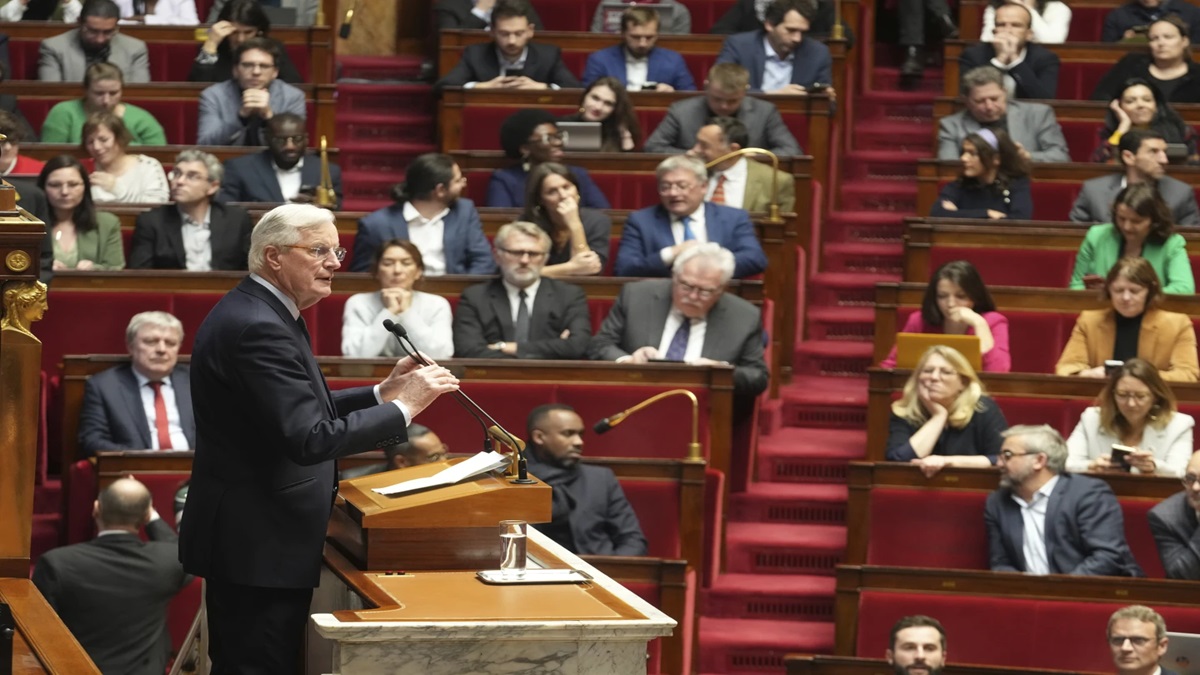
The French executive branch typically maintains strict protocols regarding the behavior of its officials. When a cabinet member is accused of behavior that could be interpreted as a threat, it often triggers a review by the Prime Minister’s office to determine if the integrity of the ministerial office has been compromised. As of this writing, the office of the Prime Minister has not issued a formal statement regarding the specific contents of the letter or whether a disciplinary investigation will be initiated.
Political Context: The UDR and the Government
The tension between Eric Ciotti and elements of the current government is not new. Since his departure from the traditional Les Républicains party to align with the Rassemblement National, Ciotti has positioned himself as an opposition figure who remains highly critical of the current coalition. This latest development underscores the friction between the UDR and the broader parliamentary majority.
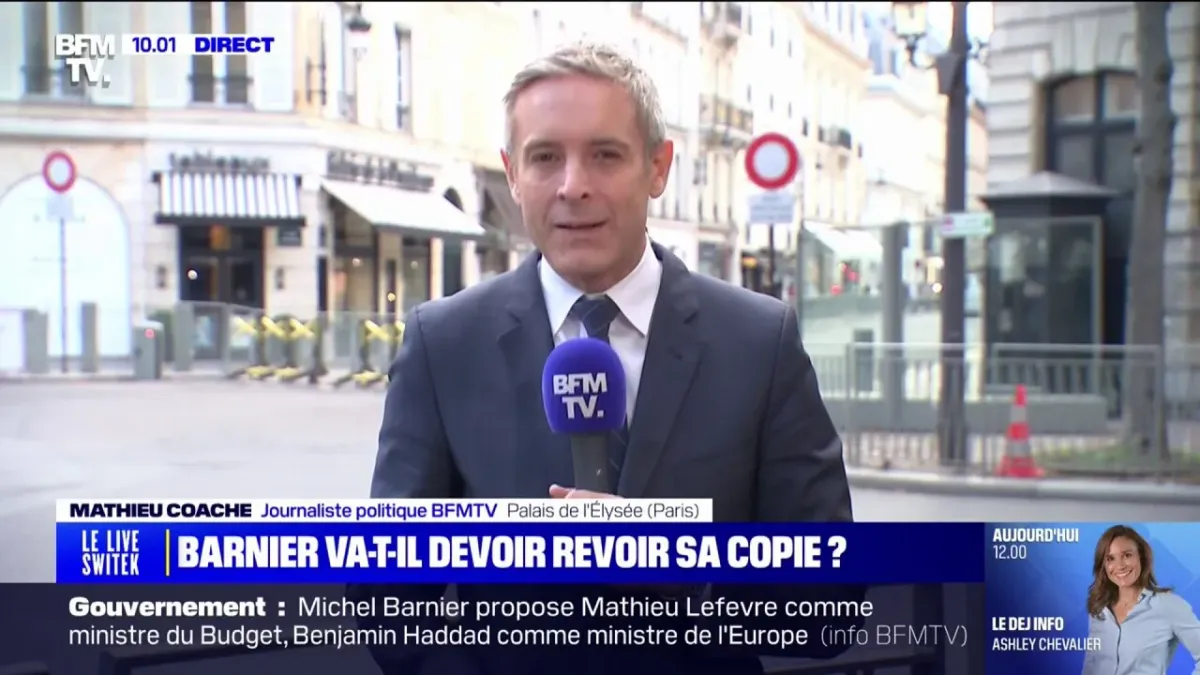
For observers of French politics, this incident highlights the increasingly polarized nature of the National Assembly. The UDR, which maintains a distinct platform focusing on security and migration, frequently clashes with government ministers over policy and personal conduct. The demand for a minister’s resignation serves as a tactical move to pressure the government, potentially forcing a public response that could either consolidate or fracture the current ministerial team.
What Happens Next: Accountability and Review
The resolution of this situation now rests with the Prime Minister. Under the French constitution, the Prime Minister holds the authority to propose the appointment or removal of ministers to the President of the Republic. The next steps will likely involve an internal assessment of the alleged incident to verify the nature of the conversation in question.

If the government chooses to investigate, it may involve interviews with witnesses or a review of any available evidence regarding the alleged threats. Should the allegations be substantiated, the government faces the difficult choice of maintaining its current cabinet structure or removing a minister to avoid a broader scandal. Readers looking for official updates on this situation should monitor the official communications from the Élysée Palace and the Prime Minister’s office for any changes to the government roster or formal responses to the UDR’s letter.
This story is developing. We encourage our readers to participate in the conversation by sharing their perspectives on the intersection of political rhetoric and ministerial responsibility in the comments section below.
Worth a look