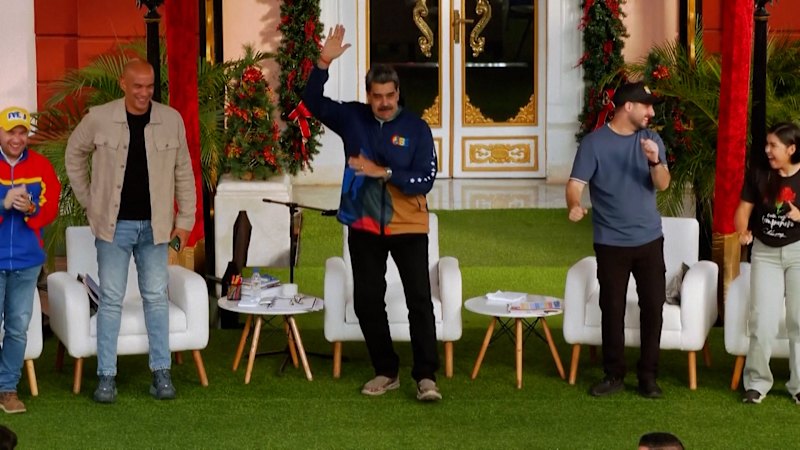
The Unexpected Rhythm of Leadership: Nicolás Maduro and His Public Performances
Nicolás Maduro’s presidency has been marked by political and economic turmoil, but also by a surprisingly consistent element: his frequent displays of dancing in public. This unusual characteristic has become a defining feature of his time in office, sparking both curiosity and commentary around the globe. But what does this penchant for performance reveal about the leader and the context in which he operates?
A Leader Who Moves to His Own Beat
Throughout his presidency,Maduro has been observed dancing at numerous public events and during televised broadcasts. These aren’t subtle gestures; they are often energetic,demonstrative performances. You might be wondering why a head of state would so publicly embrace dance. Several interpretations have emerged.
* A Connection to the People: Dancing can be seen as a way for Maduro to connect with the Venezuelan population on a more personal level. It projects an image of approachability and shared joy, potentially fostering a sense of unity.
* A Display of Defiance: In the face of international criticism and domestic challenges, these performances could be interpreted as a defiant act. They signal a refusal to be defined solely by political struggles.
* A Carefully Cultivated Image: Maduro’s dancing may be a deliberate strategy to cultivate a specific public image – one of vitality, confidence, and a disconnect from the gravity of the nation’s problems.
* Cultural Significance: Venezuela has a rich tradition of music and dance. Maduro’s performances could be seen as an embrace of this cultural heritage, reinforcing a sense of national identity.
Beyond the Steps: Context and Controversy
It’s crucial to understand the context surrounding these displays. Venezuela has faced significant economic hardship, political instability, and a humanitarian crisis during Maduro’s tenure. Critics argue that his dancing appears tone-deaf and insensitive to the suffering of the Venezuelan people.
consider these points:
* Economic Crisis: Hyperinflation, shortages of basic goods, and widespread poverty have plagued Venezuela.
* Political Polarization: The country has been deeply divided politically, with accusations of authoritarianism leveled against Maduro’s government.
* Humanitarian Concerns: Millions of Venezuelans have fled the country seeking refuge from the crisis.
Against this backdrop, maduro’s dancing has drawn accusations of frivolity and a lack of seriousness. However, supporters view it as a demonstration of resilience and a refusal to succumb to despair.
The Power of Performance in Politics
Maduro’s case highlights the broader power of performance in politics.Leaders frequently enough employ various strategies to shape public perception, and these can extend beyond traditional speeches and policy announcements.
Here’s what you should consider:
* Visual Dialog: In the age of social media and 24/7 news coverage, visual communication is paramount.
* Emotional connection: Leaders who can evoke emotional responses – whether positive or negative – often have a greater impact.
* Symbolism and Messaging: Every action, including a dance, can be imbued with symbolic meaning and convey a specific message.
Ultimately, Nicolás Maduro’s dancing is a complex phenomenon. It’s a blend of personal expression, political strategy, and cultural context. Whether you view it as a genuine display of joy or a calculated performance, it remains a striking and unforgettable aspect of his presidency. It prompts us to consider how leaders use all available tools - including the unexpected – to connect with their audiences and shape their legacies.
Related reading