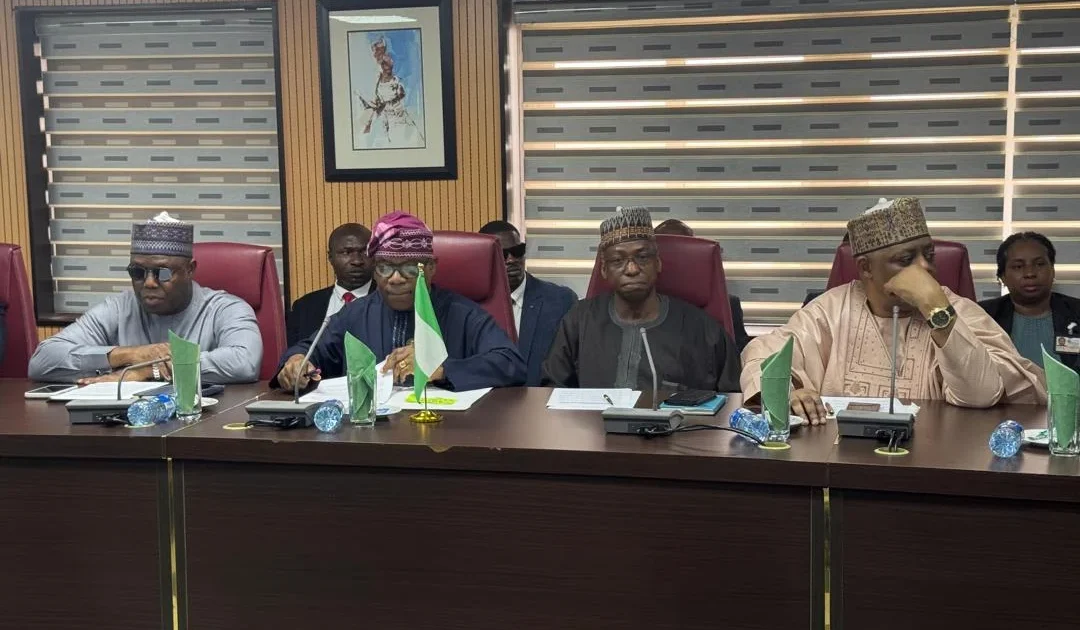
Tensions between Abuja and Pretoria reached a critical juncture as Nigerian and South African officials met to address a violent wave of anti-immigrant protests. South African Special Envoy and Minister of International Relations and Cooperation Ronald Lamola traveled to Nigeria’s capital for the discussions following months of unrest in which vigilante groups targeted foreign-owned businesses and individuals.
Nigerian officials pressed the visiting delegation over what they characterized as state inaction. Sola Enikanolaiye, the Minister of State for Foreign Affairs, told the South African envoys that local law enforcement agencies frequently stood by while mobs attacked foreign nationals.
Abuja Alleges Complicity and Cites Decades of Unrest
During the intense diplomatic exchanges, Nigerian authorities cataloged a long history of anti-migrant violence. Enikanolaiye pointed to a persistent pattern of what Abuja terms Afrophobic attacks
spanning back to 1995, with incidents also recorded in 1998, 2006, 2015, 2016, 2019, 2021, 2024, and 2026.

“We have seen a pattern that has become a concern to the Nigerian government.”
Sola Enikanolaiye, Nigeria’s Minister of State for Foreign Affairs, via Reuters
According to records compiled by Nigerian diplomatic missions, at least 98 Nigerians have been killed in mob actions and hate-related incidents since 2022. The Federal Government also raised alarm over specific extra-judicial killings involving local law enforcement.
Disputed Motivations and Mass Evacuations
The root causes of the violence trace back to deep socio-economic pressures in South Africa. Both Nigeria and South Africa account for roughly a quarter of the continent’s economic might and historically spearheaded post-Cold War peacekeeping. However, internal economic strains, high unemployment, and infrastructural decay have left both nations grappling with domestic fragility.

Anti-immigrant groups have capitalized on these conditions, mobilizing protests under the banner that undocumented foreign nationals are responsible for local crime and joblessness. An unofficial June 30 deadline set by these groups triggered widespread panic, forcing immigrants to flee neighborhoods in Durban, Johannesburg, and surrounding districts.
While Abuja maintains that individuals who break local laws should face proper legal channels rather than mob justice, Nigerian officials pushed back against rhetoric from South African government spokespersons.
“If there are criminals, the solution is not to kill them. Get them arrested, prosecuted.”
Sola Enikanolaiye, Nigeria’s Minister of State for Foreign Affairs, via Reuters
Diplomatic Fallout and President Tinubu’s Stance
The diplomatic rift prompted strong measures from both governments. President Bola Tinubu declined to personally receive the incoming South African special delegation in Abuja, directing the envoys instead to conduct their talks through Enikanolaiye.
The crisis has also accelerated large-scale repatriations. Nigerian authorities confirmed that at least 1,490 citizens have been evacuated from South Africa during the latest wave of unrest.
“I shed tears in the plane when I saw children, women, the elderly returning home almost with nothing.”
Sola Enikanolaiye, Nigeria’s Minister of State for Foreign Affairs, via Punch Newspapers
Pretoria’s Response and the Road Ahead
Lamola described the Abuja meetings as candid and constructive, emphasizing a shared desire to restore stability.
The Nigerian government concluded the Abuja talks by placing Pretoria on formal notice. Abuja warned that if authorities fail to swiftly investigate ongoing killings and secure convictions against perpetrators, the West African nation will consider activating regional and international legal options to protect its citizens abroad.