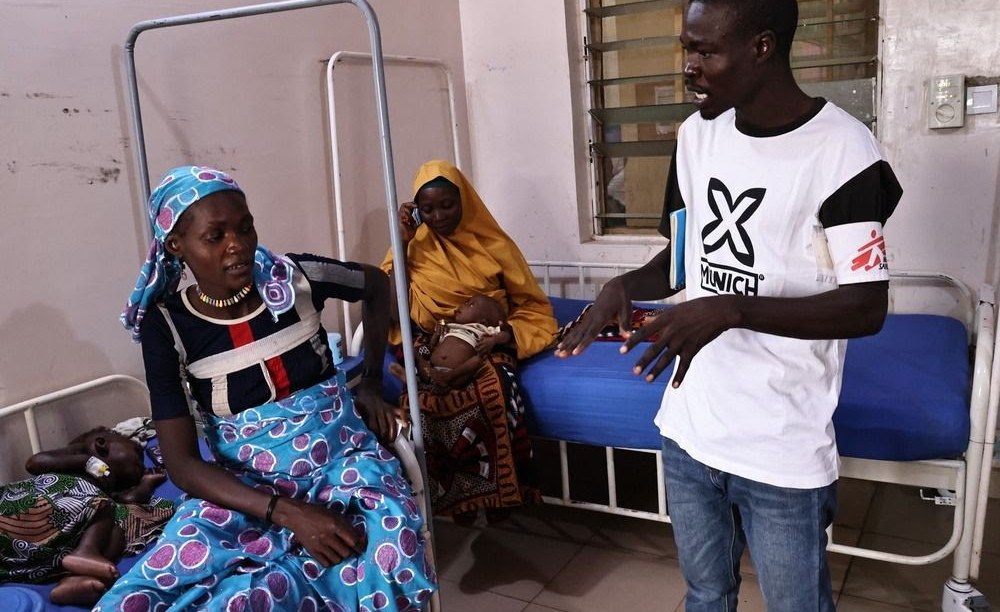
Breaking the Cycle: How MSF is addressing the Hidden Crisis of Malnutrition in Northern Nigeria
Malnutrition is a devastating crisis, notably for children. But beyond the visible physical effects, severe acute malnutrition inflicts deep psychological wounds on both children and thier caregivers. At Doctors Without Borders/Médecins Sans Frontières (MSF), we understand that true recovery requires a holistic approach – one that addresses not just the body, but the mind as well. This article delves into how MSF is tackling this frequently enough-overlooked aspect of the malnutrition crisis in northern Nigeria, and why it’s crucial for long-term healing.
The Invisible Scars of Malnutrition
When a child is severely malnourished, the impact extends far beyond physical weakness. Trauma, stress, and anxiety become constant companions for both the child and the parent. Imagine the fear and helplessness a mother feels watching her child weaken, unsure of how to help. This emotional burden can significantly hinder a child’s recovery and create a vicious cycle of suffering.
That’s why MSF’s mental health programs are integral to our nutritional support in Nigeria. We don’t just treat the disease; we aim to restore hope, dignity, and the vital bonds that allow families to heal.
A Holistic Approach to Healing: MSF’s Mental Health Interventions
In all MSF-supported hospitals in Nigeria, we’ve created safe spaces – playrooms – where mothers, caregivers, and their children can participate in daily mental health sessions. These aren’t simply “add-ons” to treatment; they are a core component of the recovery process. Here’s a breakdown of the key activities:
* psycho-stimulation Sessions: Through play, vibrant colors, soothing sounds, and gentle touch, these sessions help children regain lost developmental skills and rebuild crucial emotional connections with their caregivers.
* Psycho-education: We empower caregivers with knowledge about the psychological impact of malnutrition.You’ll learn how to manage stress effectively and understand how your own well-being directly influences your child’s recovery.
* Support Groups: Sharing experiences, coping strategies, and emotional support within a community builds resilience. These groups offer a vital sense of belonging and reduce feelings of isolation.
* Recreational Activities: Sometimes, the best medicine is a moment of respite. These sessions provide a chance for caregivers and children to relax and temporarily escape the stress of hospital life.
* Individual Counselling: for those grappling with intense distress, personalized one-on-one support is readily available.
* Engaging Fathers: Recognizing the critical role fathers play, we also conduct dedicated men’s sessions. These sessions focus on educating and encouraging fathers to provide emotional support and participate in informed decisions about their children’s care.
Beyond Patients: Empowering Healthcare Workers
Our commitment to mental health extends beyond direct patient care. We believe everyone involved in a patient’s journey should be equipped to provide compassionate support.
MSF trains all staff – doctors,nurses,and support workers – in psychological first aid and effective dialog skills. As Bako, a member of our team, aptly puts it: “Communication is sometimes service treatment. When the mother feels listened to, when the child feels safe with the doctor or nurse, that already is treatment.”
The Scale of the Crisis & MSF’s Response
The malnutrition situation in northern Nigeria is worsening. As 2022, MSF has been sounding the alarm, and the numbers continue to be deeply concerning.
Here’s a snapshot of our impact between January and June 2025:
* 32,940 severely malnourished children admitted to inpatient therapeutic feeding centers.
* 136,255 children received care in outpatient therapeutic feeding centers.
* 30,880 mental health sessions conducted to support families coping with the psychological toll.
* In Bauchi alone, since the beginning of 2024, we’ve provided mental health support to 113,191 malnourished children and their caregivers.
These numbers underscore the urgent need for sustained and comprehensive intervention.
A Future of Thriving, Not Just Surviving
On World Mental Health Day, and every day, MSF reaffirms our dedication to holistic care.We believe every child deserves not just to survive, but to thrive – in body and mind.
If your interested in learning
Keep reading