
Nintendo has officially confirmed that it will announce its successor to the Nintendo Switch within the current fiscal year, which concludes on March 31, 2025. President Shuntaro Furukawa provided this timeline in a statement on the company’s official corporate X account, aiming to temper market speculation regarding the hardware’s release window. This announcement serves as the primary update on the company’s transition strategy as it balances the lifecycle of its current console with long-term hardware development.
The upcoming hardware transition represents a critical juncture for the Japanese gaming giant. According to the company’s latest financial results and corporate management policy briefings, Nintendo is focused on maintaining momentum for the original Switch while preparing for the next generation. The Switch, which launched in March 2017, has become one of the best-selling consoles in history, with the company reporting over 141 million units sold as of March 31, 2024.
Addressing the Future of Switch Hardware
While the industry often refers to the upcoming device as “Switch 2,” Nintendo has maintained a conservative stance on specific technical details. President Furukawa emphasized that the company’s primary objective is to provide a seamless transition for its massive, established user base. This strategy includes leveraging the Nintendo Account system, which serves as a unified digital identity for players, to carry over engagement and digital libraries into the next generation.
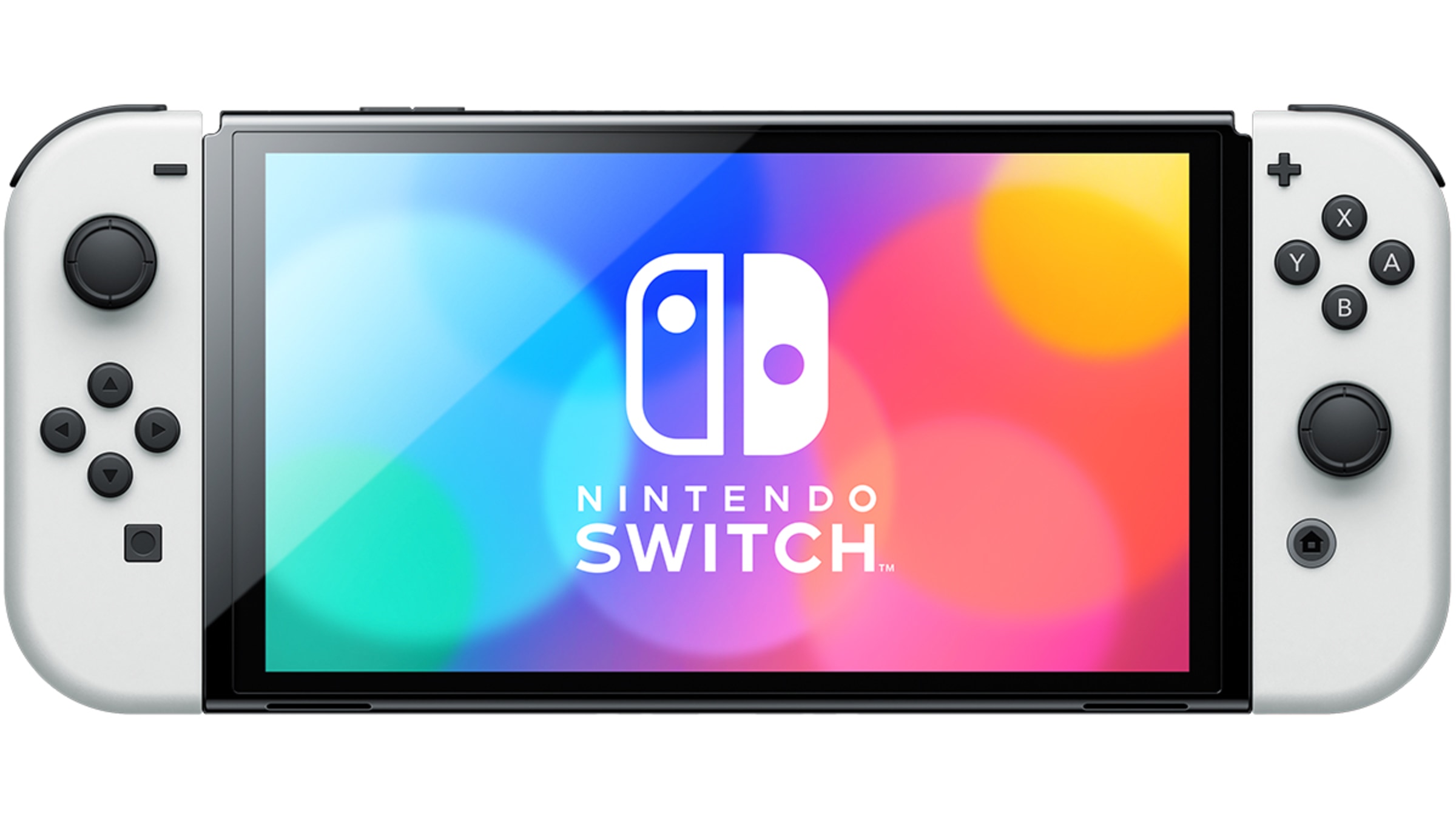
The focus on continuity is a departure from historical industry trends, where hardware generations often functioned as isolated ecosystems. By prioritizing the Nintendo Account, the company intends to minimize the “generational gap” that typically occurs when players upgrade their hardware. Further details on the specific architecture or performance capabilities remain unverified, as the company has stated it will share information at a later, more appropriate time.
Artificial Intelligence and Development Strategy
In the recent shareholder Q&A, Nintendo addressed the growing role of artificial intelligence in software development. Unlike several competitors currently integrating generative AI into large-scale production pipelines, Nintendo’s leadership indicated a cautious, measured approach. Furukawa noted that while the company is interested in the potential for technological innovation, it remains committed to its core philosophy of creating unique, high-quality entertainment experiences that are distinctly “Nintendo.”
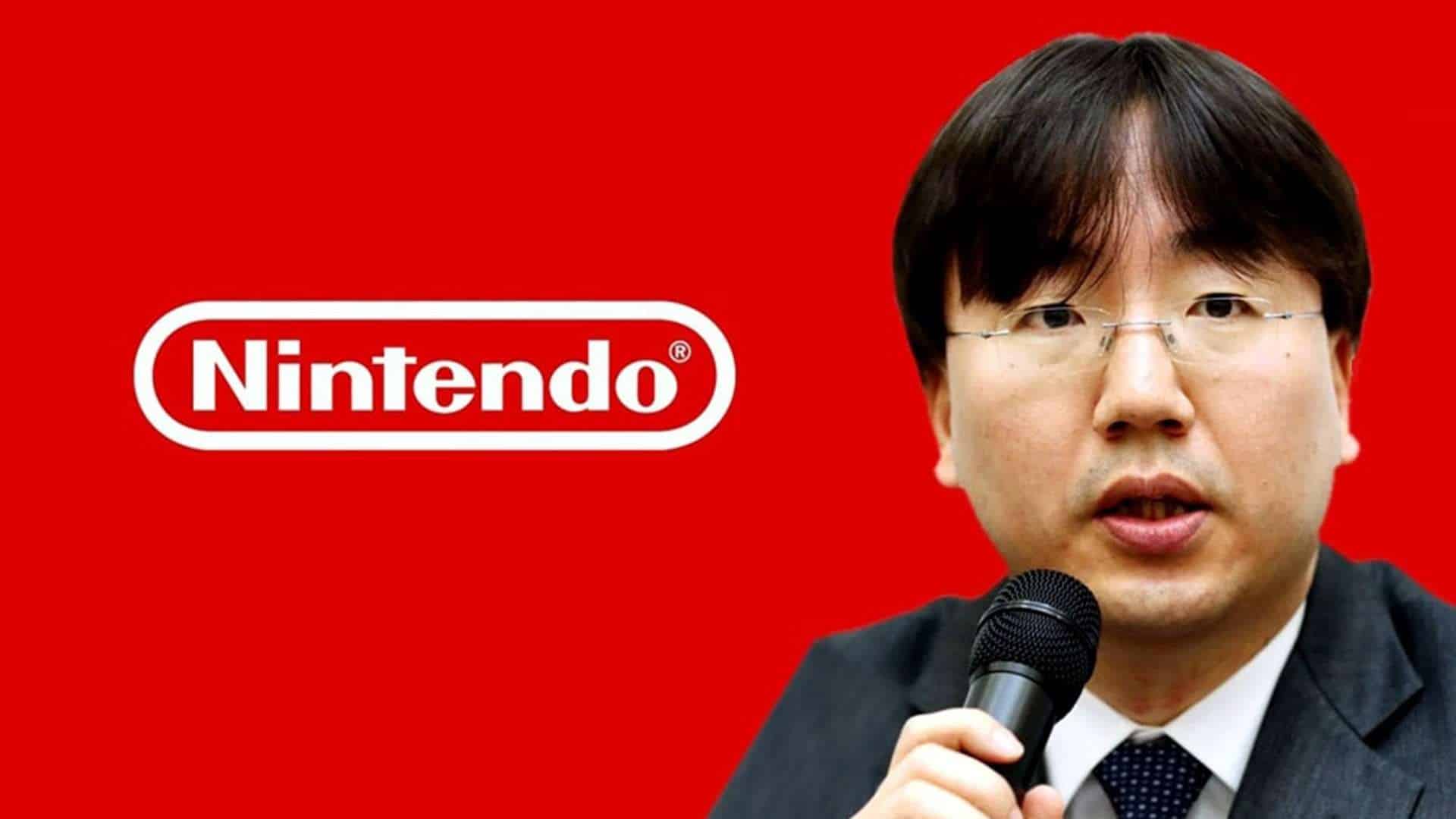
The company maintains that its development strength lies in the creative synergy between its internal teams, rather than relying on automated processes. According to Nintendo’s fiscal year briefing materials, the company continues to prioritize human-centric design, ensuring that any new technology serves to enhance the specific “fun” factor of their titles rather than replacing the creative input of their developers.
Market Dynamics and Memory Supply
The global electronics industry has faced significant fluctuations in memory component pricing and availability, a factor that directly impacts console manufacturing costs. Nintendo acknowledged these market pressures, noting that they monitor supply chain volatility closely to maintain profitability. The company’s ability to manage hardware costs—particularly for high-capacity flash storage and DRAM—remains a core component of their fiscal planning.
As of the most recent quarterly reports, Nintendo has successfully navigated the semiconductor shortages that plagued the industry during the 2020–2022 period. The company continues to maintain diversified sourcing strategies to mitigate risks associated with regional supply chain disruptions. This logistical stability is vital as the company gears up for the large-scale production required for a global console launch.
Global Expansion and Generational Shift
Beyond hardware, Nintendo is investing in the long-term growth of its intellectual property through global expansion. This includes the continued development of the Nintendo Museum, themed park attractions, and film adaptations. The success of “The Super Mario Bros. Movie” has demonstrated that non-gaming revenue streams are an essential part of the company’s “generational shift” strategy, designed to keep Nintendo brands relevant to broader audiences.
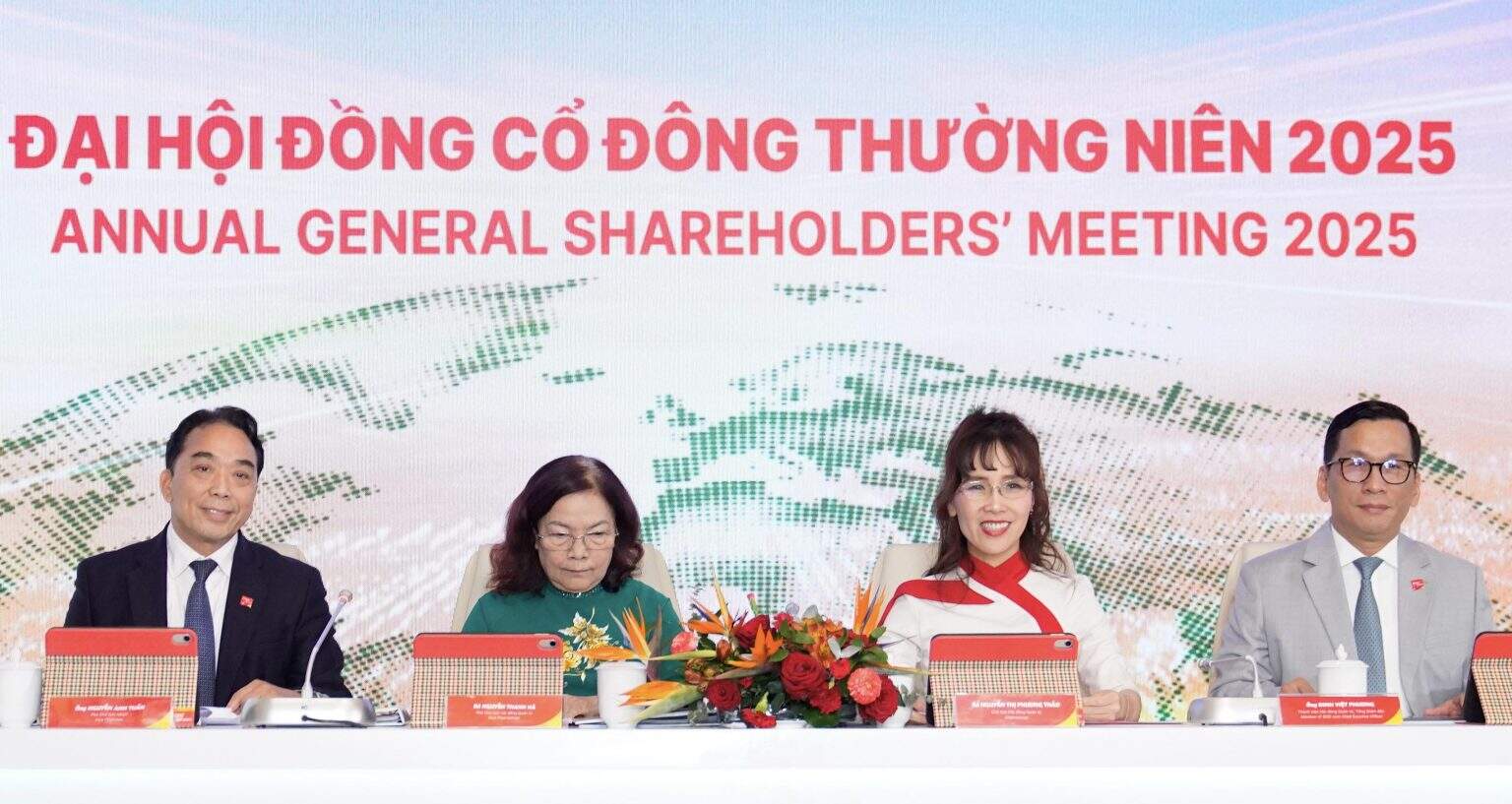
The leadership transition remains a topic of interest for investors. Nintendo has consistently emphasized its internal talent development pipeline, ensuring that the company’s creative culture remains intact as senior figures eventually move into advisory roles. This focus on institutional knowledge is designed to preserve the brand’s identity through the next decade of gaming.
Key Milestones and Timeline
- Fiscal Year End: The current fiscal cycle concludes on March 31, 2025.
- Hardware Disclosure: A formal announcement regarding the successor to the Switch is guaranteed before the end of the current fiscal year.
- Current Console Performance: The original Switch continues to receive software support, with the company aiming to maintain high engagement levels through the end of the console’s eighth year on the market.
The next confirmed checkpoint for shareholders and the public is the upcoming quarterly earnings release, where the company will provide updated guidance on its financial trajectory and operational status. As Nintendo continues its transition, the focus remains on balancing the legacy of the Switch with the technological requirements of the next generation. We encourage our readers to check the official Nintendo Investor Relations portal for the most accurate and up-to-date disclosures.
What are your expectations for the next generation of Nintendo hardware? Join the discussion in the comments section below and share your thoughts on the future of gaming.
Keep reading
- Apple May Delay Standard iPhone 18 to 2027 in Major Release Shakeup
- How the Parkes Radio Telescope Accidentally Broadcast Apollo 11’s Moon Landing
- South African Envoy Warns Canada Peacekeeping Cuts Weaken Middle-Power Strategy (newsdirectory3.com)
- Prosecuting Asia-Pacific Crimes: Universal Jurisdiction & The Future Crimes Against Humanity Convention (archyworldys.com)