Palworld Patent Dispute: A Deeper Look at Nintendo‘s Strategy and Pocketpair’s Defense
The ongoing legal battle between Nintendo and Pocketpair over Palworld continues to captivate the gaming world. Understanding the nuances of this patent dispute requires a closer examination of the legal strategies at play and the potential defenses Pocketpair has available. Let’s break down the key elements and what you, as a gamer or industry observer, should know.
The Core of the Dispute
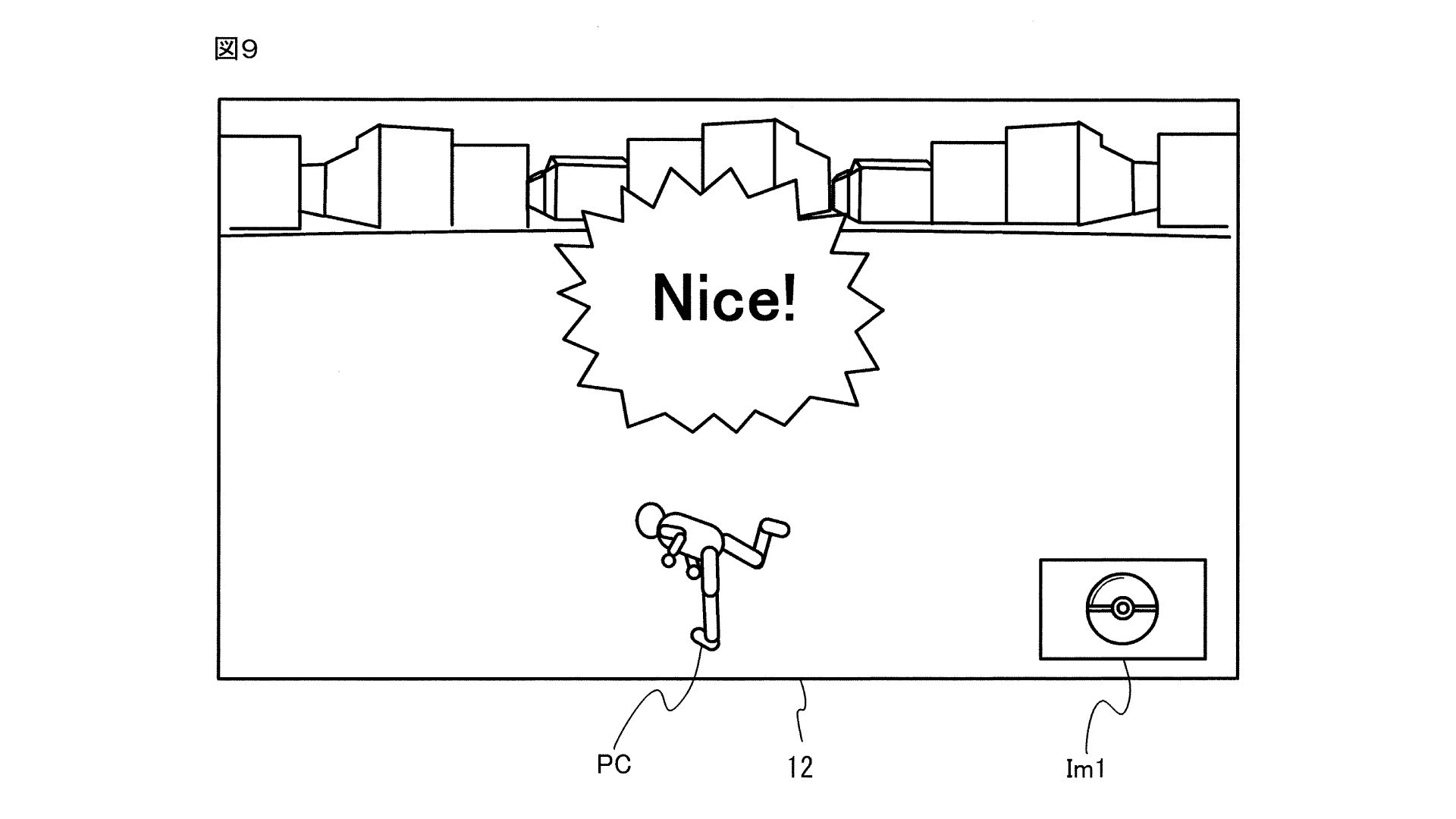
Nintendo alleges that Palworld infringes on patents related to the core mechanics of Pokémon. Specifically, the claims center around the creature-collecting, breeding, and battling aspects of Pocketpair’s survival crafting game. This isn’t simply about aesthetic similarities; it’s about the underlying functionality protected by intellectual property law.
Why japan’s Patent Office matters
Interestingly, the Japanese Patent Office (JPO) previously rejected a patent application (031879) closely related to the patents Nintendo is now asserting. This is a significant detail. I’ve found that presiding judges in patent lawsuits often give considerable weight to the decisions made by patent examiners.
* The JPO’s rejection suggests the asserted patents may be weak or lack novelty.
* Pocketpair can leverage this prior art through mechanisms similar to judicial notice, formally requesting the judge consider the JPO’s decision.
This could substantially impact the validity of Nintendo’s claims.
Nintendo’s Approach: A Broad Net
Nintendo is known for aggressively protecting its intellectual property. Considering thier recent stance – arguing that modifications to games shouldn’t invalidate patents – it’s clear they’re exploring every possible avenue to strengthen their case.
* They’re likely scrutinizing every aspect of Palworld for potential infringement.
* expect a thorough examination into the validity of their asserted patents.
This proactive approach demonstrates a commitment to defending their established franchises.
pocketpair’s Potential Defenses
Pocketpair isn’t without recourse. They have several potential strategies to counter Nintendo’s claims.
* Prior Art: The JPO’s rejection of the related patent is a powerful argument.
* Non-Infringement: Pocketpair can argue that Palworld‘s mechanics, while similar, are implemented differently enough to avoid infringement.
* Patent Invalidity: Challenging the fundamental validity of Nintendo’s patents is another key tactic.
Successfully employing these defenses could significantly weaken Nintendo’s position.
The “Mods Aren’t Real Games” Controversy
Nintendo’s recent argument that game modifications don’t constitute “real games” is particularly noteworthy. This stance, while seemingly counterintuitive, suggests a desire to limit the scope of prior art considered in patent disputes. If modifications aren’t considered legitimate games, they can’t be used to demonstrate that a patented concept was already in existence.
This strategy highlights the lengths to which Nintendo is willing to go to protect its intellectual property.
What to expect Moving Forward
The Palworld patent dispute is far from over. Expect a lengthy and complex legal process.
* Discovery will be crucial, with both sides gathering evidence to support their claims.
* Expert testimony will likely play a significant role in interpreting the technical aspects of the patents.
* The ultimate outcome will depend on the judge’s interpretation of the law and the evidence presented.
Ultimately, this case has broader implications for the gaming industry. It raises important questions about the scope of patent protection, the role of prior art, and the balance between innovation and intellectual property rights. You should stay informed as this case unfolds, as it could shape the future of game development and legal precedent.
Keep reading