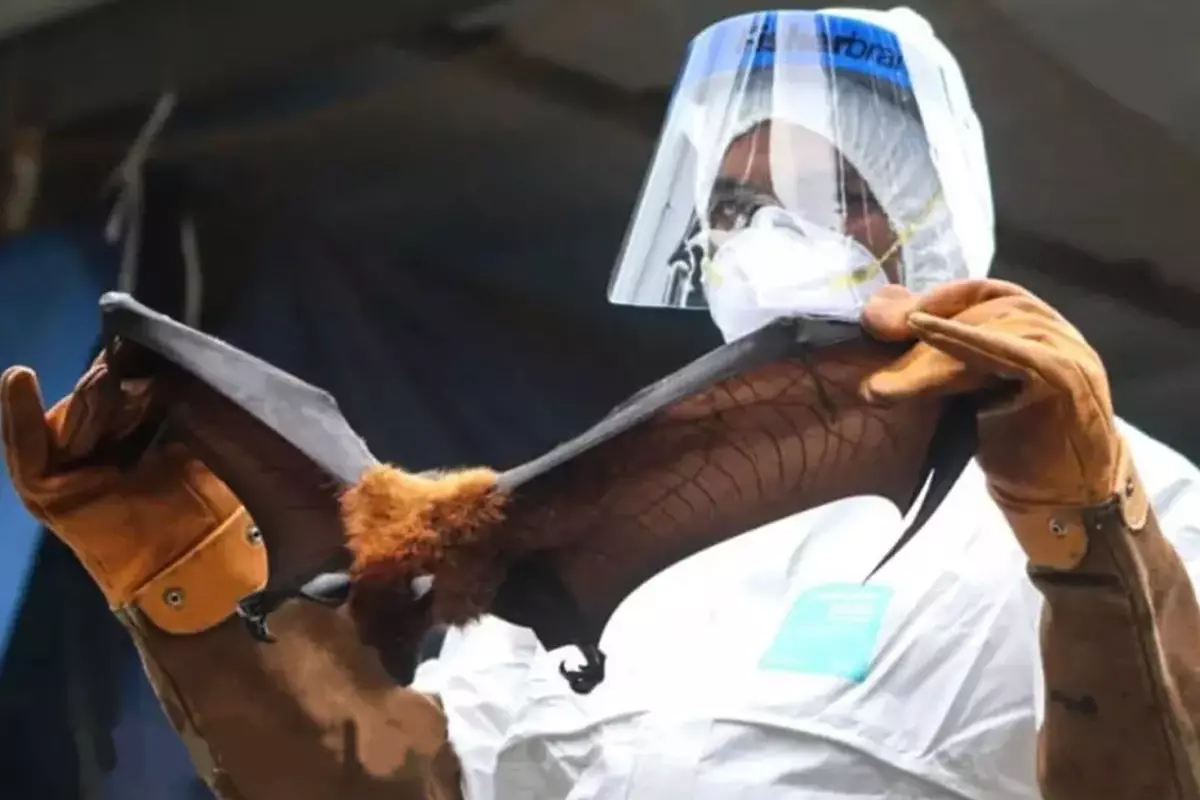
Nipah Virus Outbreak in India: Cases Rise, Raising Public Health concerns
A recent outbreak of Nipah virus (NiV) in India is causing growing concern among health officials, with confirmed cases and fatalities reported in West Bengal. The virus, known for its high mortality rate, is prompting increased surveillance and preventative measures.
Recent cases and Fatalities
As of January 25, 2026, several cases of Nipah virus have been confirmed in West Bengal, including infections among healthcare workers. According to The Hindu, a 12-year-old boy in North 24 Parganas district was the first confirmed case in this outbreak. Three additional cases have been confirmed, including a doctor, a nurse, and another health worker. Previously,two nurses at a private hospital in Barasat tested positive for the virus.
One of the infected nurses is in critical condition, exhibiting high fever and severe respiratory distress.She reportedly fell ill after treating a patient who died without being tested for Nipah virus. This highlights the risk of transmission within healthcare settings and the importance of rapid diagnosis.
Transmission and Symptoms
Nipah virus is a zoonotic virus, meaning it originates in animals and can spread to humans.The World Health Organization (WHO) identifies fruit bats as the natural reservoir for the virus. Transmission to humans can occur through direct contact with infected bats, consumption of contaminated fruit, or close contact with infected people.
Initially, nipah virus infection may present with no symptoms. However, symptoms can rapidly progress to acute respiratory illness, including high fever, headache, muscle pain, vomiting, and sore throat. In severe cases, the virus can cause encephalitis (inflammation of the brain), leading to coma within 24 to 48 hours. The mortality rate associated with nipah virus infection ranges from 40% to 75%, according to the Centers for Disease Control and Prevention (CDC).
Lack of Treatment and Prevention
Currently, there is no specific vaccine or antiviral treatment approved for Nipah virus infection. Treatment is primarily supportive, focusing on managing symptoms and preventing complications. Prevention strategies include avoiding contact with bats and their secretions, thoroughly washing fruits and vegetables, and practicing good hygiene.
Key Takeaways
- Nipah virus is a highly dangerous zoonotic virus with a high mortality rate.
- The recent outbreak in West Bengal, India, includes cases among healthcare workers.
- Transmission occurs through contact with infected bats, contaminated food, or infected individuals.
- Symptoms range from mild respiratory illness to severe encephalitis and coma.
- There is currently no specific vaccine or treatment available.
Health authorities are actively monitoring the situation and implementing measures to contain the outbreak. Continued vigilance, rapid diagnosis, and strict infection control practices are crucial to minimizing the spread of this potentially deadly virus. Further research into vaccines and treatments is urgently needed.
- Povorcitinib Significantly Reduces Abscesses and Nodules in Hidradenitis Suppurativa: Phase 3 Trial Results
- Post-COVID Recovery: How Local Clubs are Boosting Activity and Partnerships
- Shreveport Police Confront Rising Domestic Violence and Child Trauma (archyworldys.com)
- South Africa Faces R467 Billion Municipal Debt Crisis Amid Rising Xenophobia (time.news)