Sun, Stats, adn Controversy: Unpacking the Infield Fly Rule in the Cubs-Brewers NLDS
The National League Division Series between the Chicago Cubs and Milwaukee Brewers has been a whirlwind of offense, dramatic swings, and, in Game 3, a highly debated umpire decision. A seemingly innocuous popup in the first inning sparked a discussion about the infield fly rule, leaving fans and even cubs manager Craig Counsell questioning the call. Let’s break down what happened, the rule itself, and why the umpires were ultimately correct.
The Play That Started It All
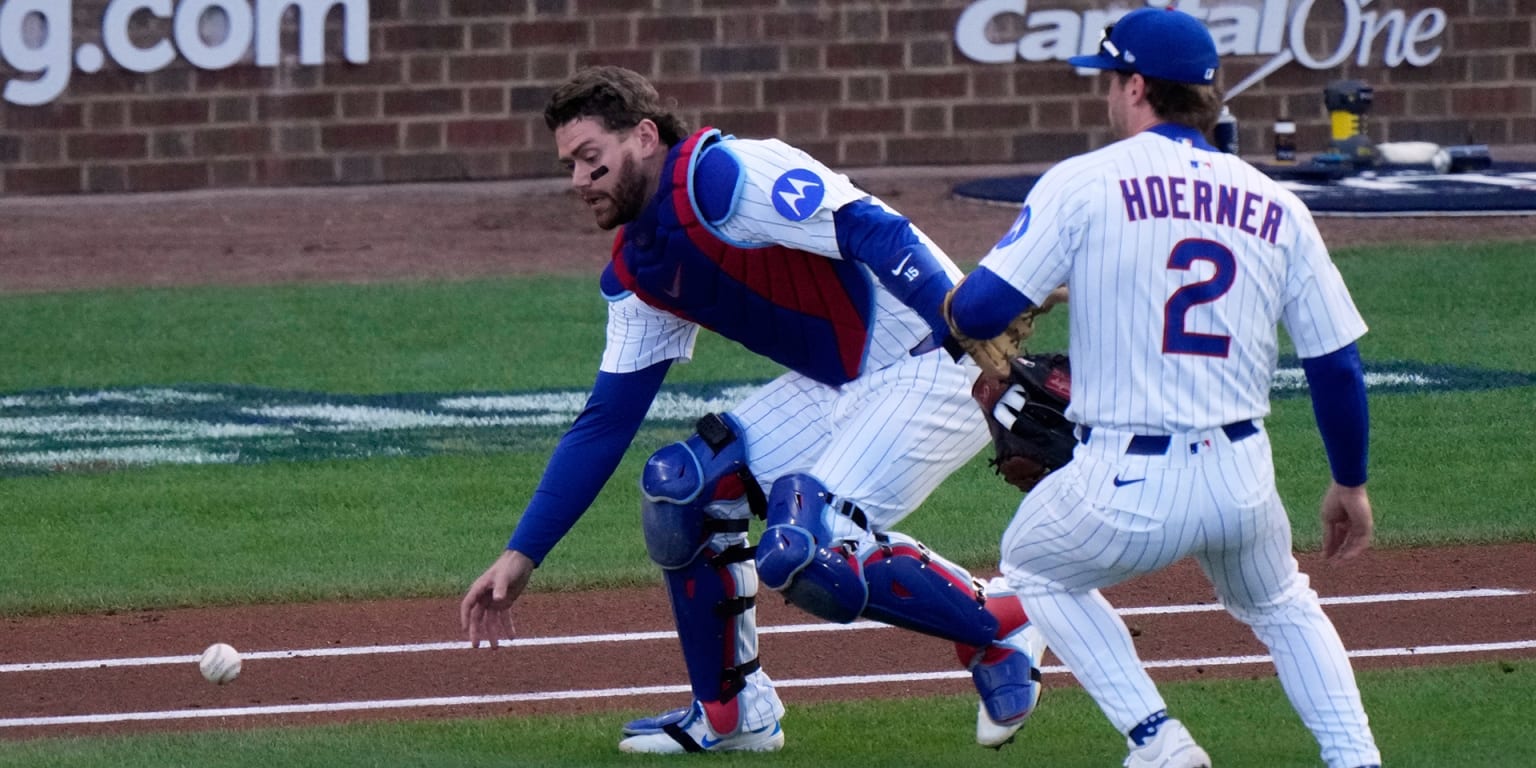
With the bases loaded and no outs, Brewers batter Gary Sánchez hit a popup into shallow infield territory. The ball had unusual characteristics:
* Exit Velocity: 86.2 mph – relatively slow.
* Launch Angle: 70 degrees – extremely high.
* Distance: 60 feet – short, keeping it in the infield.
* Hang Time: 6.5 seconds – a long duration in the air.
* Expected Batting Average: .001 – statistically, an almost unfeasible out.
Despite these factors, no Cubs infielder moved aggressively to attempt the catch.This seemingly passive reaction became the crux of the controversy.
Understanding the Infield Fly Rule
Major League Rule 2.00 defines the infield fly as a fair fly ball (excluding line drives or bunts) that an infielder can catch with ordinary effort when first and second, or all three bases, are occupied with fewer than two outs. The rule is designed to prevent a defensive team from intentionally dropping an easy fly ball to create a force out at multiple bases.
However, applying the rule isn’t always straightforward.As umpire supervisor Larry Young explained to a pool reporter, several factors come into play – wind, sun, misjudgment. Umpires wait until the ball reaches its apex before making a determination.
Why the Umpires Got It Right
Counsell immediately questioned the lack of an infield fly call, hoping for a different outcome. but the umpires were correct in their decision. The key is “ordinary effort.” As no Cubs infielder demonstrated an attempt to make the play, or signaled to the umpires they could make the play with reasonable effort, the rule wasn’t invoked.
This isn’t about whether an infielder could have caught the ball. It’s about whether they should have been reasonably expected to catch it.The unusual trajectory, combined with the lack of a clear attempt by the defense, justified letting the play unfold.
The Fallout and Continued Offensive Battle
The play ultimately resulted in a sacrifice fly, giving the Brewers a 1-0 lead. Though, the Cubs quickly responded with a powerful four-run bottom of the inning. Ian Happ led off with a home run – his second leadoff homer of the series, a postseason first – and Pete Crow-Armstrong delivered a clutch, two-run single.
This game continued a remarkable trend: the Cubs/Brewers NLDS is the first postseason series where both teams have scored in the first inning of each of the first three games. Brewers manager Pat Murphy acknowledged the intensity, stating, “Both teams came out firing…it says something for both teams, really.”
What This Means for You
This situation highlights the complexities of baseball rules and the judgment calls umpires must make in real-time. As a fan, understanding the infield fly rule and the nuances of its submission can deepen your recognition for the game. It also underscores how seemingly small decisions can have a important impact on the outcome of a game, especially in high-stakes postseason play.
This series promises to be a thrilling one, and continued attention to detail – both on the field and in the rulebook – will be crucial for both teams as they battle for a world Series berth.
Worth a look