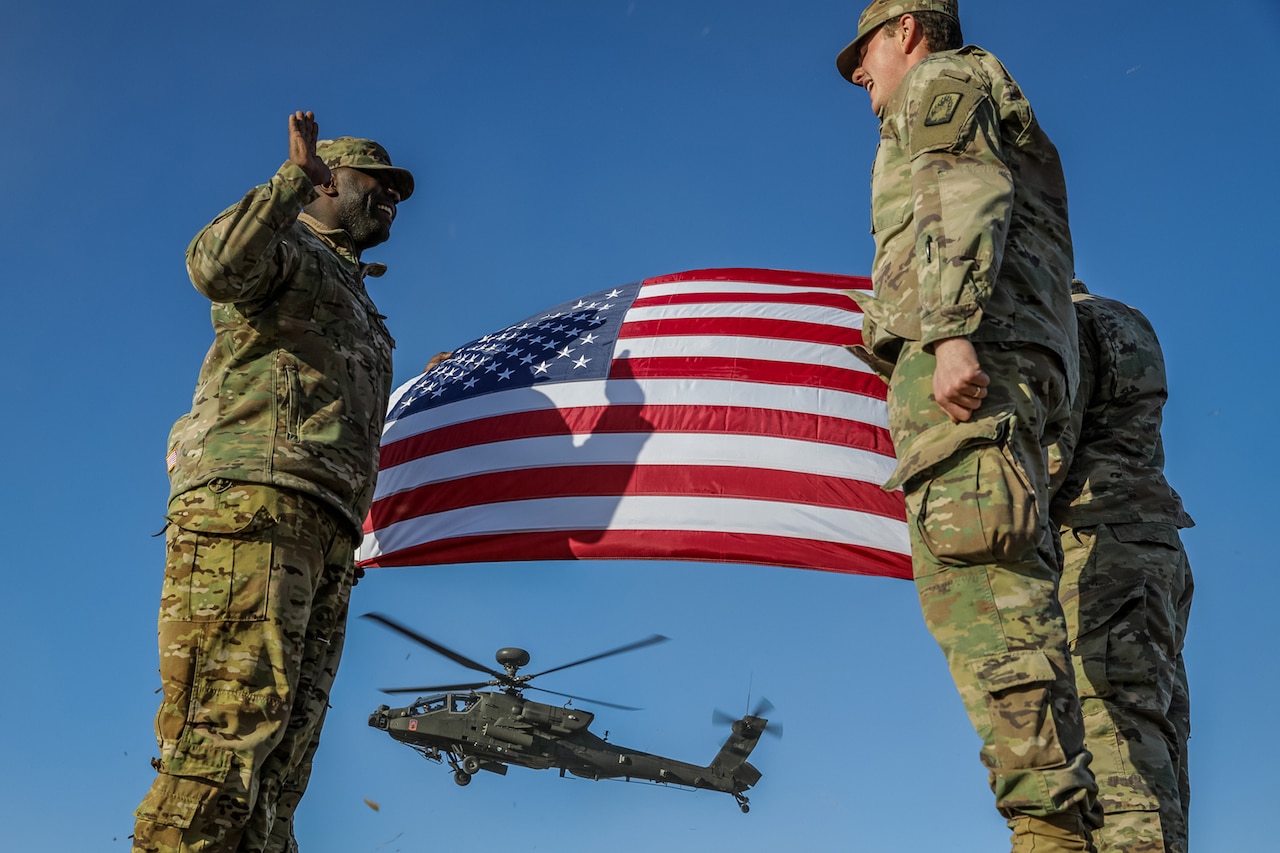
There is currently no definitive end date for the ongoing U.S. military mission along the border with Mexico, as the Department of Defense continues to extend deployments of active-duty and National Guard personnel. The continued presence of federal troops, which began under various administrative directives dating back to 2018, remains a central point of debate regarding military readiness, domestic resource allocation, and the evolving nature of border security operations, according to official Department of Defense records.
The mission, which involves thousands of service members providing logistical and administrative support to Customs and Border Protection (CBP), was designed to augment federal law enforcement efforts. While proponents argue that these patrols and surveillance activities have successfully pushed illicit smuggling operations into more remote, less populated regions, military analysts and former commanders have raised concerns that these extended, non-combat deployments negatively impact the long-term training cycles and operational readiness of the units involved, as noted in assessments by the Government Accountability Office.
The Evolution of Military Border Support
The integration of military personnel into border security efforts has shifted significantly over the past decade. Unlike civilian law enforcement, military involvement is constrained by the Posse Comitatus Act, which generally prohibits the use of federal military personnel for domestic law enforcement activities. Consequently, the mission has focused on providing “force multipliers,” including aerial surveillance, ground sensor monitoring, and administrative assistance that frees up border patrol agents for direct enforcement duties, as reported by the Congressional Research Service.

Recent deployments have seen a consistent rotation of National Guard and active-duty troops. According to the Department of Homeland Security, these personnel do not engage in direct apprehension or detention of migrants. Instead, they provide critical support, such as maintenance of surveillance equipment and logistics, which the agency maintains is necessary to manage high volumes of border encounters. However, the lack of a clear exit strategy has led to persistent questions about when these auxiliary roles will conclude.
Impact on Operational Readiness and Training
The central critique of the border mission centers on the “opportunity cost” of training. Military units are designed to maintain proficiency in large-scale combat operations, a goal that requires intensive, specialized training environments that are difficult to replicate while stationed at the border. According to a report by the RAND Corporation, extended deployments in non-combat environments can lead to “skill atrophy” in essential infantry and logistics tasks.
Commanders have expressed concern that the drain on resources—both financial and human—limits the ability of units to participate in global exercises or respond to international contingencies. While the Department of Defense has attempted to mitigate these impacts by rotating units more frequently, the recurring demand for border support creates a cycle where the military is perpetually tethered to domestic security requirements at the expense of its primary mission: preparing for potential high-intensity conflict abroad.
Resource Allocation and Budgetary Oversight
Funding for these operations is often drawn from military personnel accounts and operational budgets. Because these border missions are frequently categorized as “temporary” or “emergency” support, they often operate outside of the standard, long-range planning cycles of the Pentagon. The Congressional Budget Office has previously highlighted that the costs associated with these deployments, including housing, per diem, and equipment maintenance, add significant pressure to a defense budget already strained by global modernization goals and inflation.

Furthermore, the reliance on National Guard units—which are also responsible for domestic disaster relief and state-level emergencies—creates a secondary layer of concern regarding state-level readiness. Governors and state officials occasionally find their local forces tied up in federal border missions, limiting their availability for state-specific needs. This dual-hatted role has sparked legislative debate in Congress regarding the necessity of a permanent military presence versus the expansion of civilian border patrol staffing.
What Happens Next
The future of the military mission remains tied to broader legislative negotiations in Washington. Currently, the Department of Defense operates under the most recent authorization for continued support, which is subject to review by the Senate Armed Services Committee. Any decision to withdraw or significantly alter the mission would likely require a change in policy from the Department of Homeland Security, which initiates the formal request for military assistance.

Observers should look for upcoming testimony before the House and Senate appropriations committees, where officials from the Pentagon are expected to provide updates on the current deployment status and the fiscal impact of these operations. As of the latest update, no specific date has been set for the cessation of these activities, and the mission remains active until further notice. We invite our readers to share their views on the intersection of national defense and border security in the comments section below.