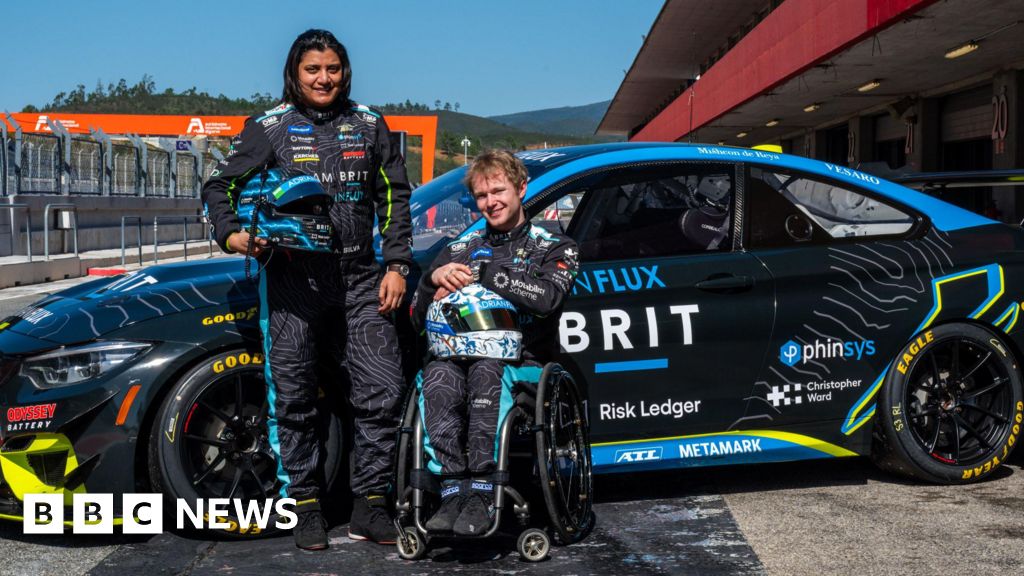
A team composed entirely of disabled drivers is competing as the world’s only all-disabled competitive racing unit, aiming to challenge traditional standards of accessibility in professional motorsports. The team, which includes drivers Noah Cosby and Asha Silva, utilizes specialized adaptive technology to navigate high-speed tracks, positioning themselves as a new force in inclusive sports competition.
This initiative focuses on providing a competitive platform for athletes who have been historically sidelined by the physical requirements of traditional racing. By integrating modified vehicle controls and custom-engineered seating, the team seeks to demonstrate that physical disability does not preclude high-level performance in high-stakes motorsport environments.
The presence of these drivers on professional tracks marks a significant shift in how racing organizations approach diversity and inclusion. While motorsports have long been criticized for high barriers to entry, the emergence of all-disabled racing units provides a practical roadmap for how adaptive technology can bridge the gap between disability and professional competition.
How does adaptive technology enable competitive racing?
To compete at professional speeds, standard racing vehicles must undergo significant mechanical modifications. The primary requirement for many disabled drivers is the implementation of hand controls, which replace the traditional foot-operated accelerator and brake pedals. These systems allow drivers to manage speed and deceleration using levers or buttons integrated into the steering column or side consoles.
Engineering these controls requires precision to ensure they do not interfere with the vehicle’s weight distribution or safety systems. According to technical standards often cited in adaptive driving research, any modification to a race car’s control interface must maintain the vehicle’s center of gravity to prevent unpredictable handling during high-speed cornering. In competitive environments, these controls must also be responsive enough to handle the rapid, micro-adjustments required in professional-grade racing.
Beyond the controls, seating is a critical component of the adaptive racing setup. Drivers often require custom-molded bucket seats that provide enhanced lateral support, compensating for reduced core strength or mobility. These seats are designed to secure the driver firmly within the cockpit, ensuring that the physical forces experienced during heavy braking or high-G cornering do not compromise their position or control over the vehicle.
The integration of these technologies is not merely about functionality but about parity. The goal for teams like the one featuring Cosby and Silva is to ensure that the mechanical assistance provided does not offer an unfair advantage, but rather restores the driver’s ability to interact with the machine in a manner identical to able-bodied competitors.
What barriers do disabled athletes face in professional motorsports?
Despite advancements in technology, several systemic barriers remain for disabled athletes attempting to enter the professional racing circuit. These challenges range from regulatory hurdles to the high cost of specialized equipment.

Regulatory and Safety Compliance: Most professional racing series are governed by strict bodies such as the Fédération Internationale de l’Automobile (FIA) or national sanctioning organizations. These bodies maintain rigorous safety protocols that every vehicle must meet. For an adaptive driver, this means every modification—from hand controls to specialized harnesses—must undergo intense scrutiny to ensure it meets or exceeds standard safety certifications. Proving that a modified control system will function reliably under extreme heat, vibration, and impact is a significant hurdle for new teams.

Infrastructure and Accessibility: Racing circuits are often designed with able-bodied athletes in mind. This includes everything from the height of cockpit entries to the accessibility of pit lanes and paddock areas. For a competitive team, ensuring that all support staff and drivers can navigate the facility is a logistical challenge that requires cooperation from track owners and event organizers.
Financial Constraints: The cost of adaptive racing is substantially higher than standard grassroots motorsports. Custom-engineered hand controls, specialized seating, and the research and development required to make these modifications safe and competitive represent significant capital investments. Without dedicated sponsorship or institutional support, the financial burden of entering the sport can be prohibitive for many talented athletes.
Comparing standard racing and adaptive racing requirements
The following table outlines the primary differences in vehicle configuration and athlete requirements between traditional racing and adaptive competitive racing.
| Feature | Standard Racing | Adaptive Racing |
|---|---|---|
| Primary Controls | Foot-operated pedals (throttle/brake) | Hand-operated levers or electronic controls |
| Driver Seating | Standard FIA-approved bucket seats | Custom-molded, high-support lateral seating |
| Vehicle Modification | Performance-based tuning | Accessibility-based mechanical integration |
| Regulatory Focus | Speed and aerodynamic efficiency | Safety-compliant adaptive functionality |
Why is inclusive racing significant for the motorsport industry?
The move toward inclusive racing is more than a social gesture; it is a shift toward expanding the talent pool and the consumer base of motorsports. As adaptive technology becomes more sophisticated, the industry is discovering that physical limitations do not necessarily correlate with a lack of technical skill or racing intelligence.
By supporting all-disabled racing teams, motorsport organizations can demonstrate a commitment to the broader principles of diversity and inclusion that are increasingly expected by global sponsors and fans. This visibility encourages further investment in adaptive technologies, which can eventually trickle down to broader automotive safety and accessibility features for the general public.
Furthermore, the presence of drivers like Noah Cosby and Asha Silva on the track provides a tangible example of how technology can democratize high-performance sports. This visibility is essential for inspiring the next generation of drivers who may have previously viewed professional racing as an unattainable goal due to physical disabilities.
The success of these teams also provides data for engineers. The extreme conditions of a race track—high temperatures, intense vibrations, and rapid deceleration—serve as the ultimate testing ground for adaptive components. Improvements made in the competitive arena can lead to more robust and reliable assistive technologies for everyday use in the automotive sector.
The next scheduled checkpoint for the team will be the announcement of their upcoming race calendar and registration details for the next competitive season. Progress in this sector will continue to be monitored by racing analysts and disability advocacy groups alike.
Do you have thoughts on the future of adaptive motorsports? Share this article and join the conversation in the comments below.
Worth a look