
Tensions in Northern Ireland have intensified following a series of violent anti-immigration protests in Belfast, prompting a heightened security response and a renewed political debate regarding the region’s border controls and asylum processing protocols. According to the Police Service of Northern Ireland (PSNI), at least 12 officers sustained injuries during recent nights of civil unrest, which saw businesses damaged and community members targeted in areas of the city.
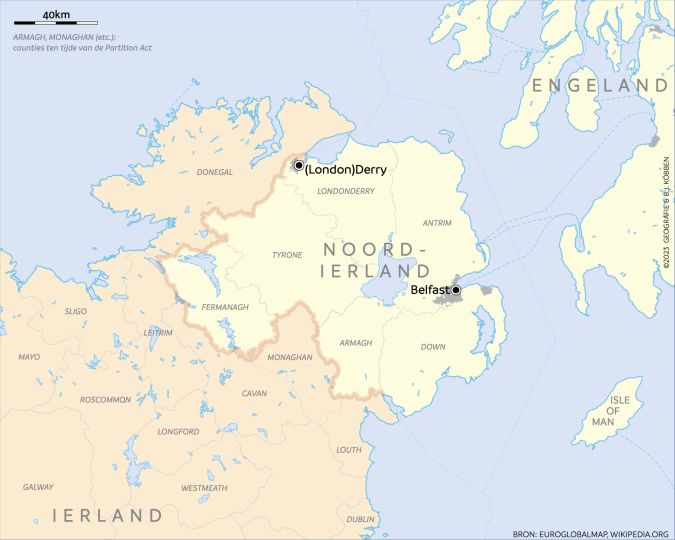
The unrest follows a stabbing incident in Belfast that has drawn public scrutiny toward the United Kingdom’s immigration and asylum procedures. As authorities work to restore order, the events have reignited long-standing questions about the porosity of the border between Northern Ireland and the Republic of Ireland—a land border that remains a focal point for both local security agencies and national policymakers in London and Dublin.
Security Response and Police Injuries
The violence in Belfast, which has included arson and assaults, led to a significant deployment of police resources across several neighborhoods. The PSNI reported that officers were subjected to missiles and fireworks during the disturbances. In a formal statement, the force confirmed that 12 officers were injured during these confrontations, with several requiring medical attention, according to BBC News reports detailing the impact of the disorder on city infrastructure.
The PSNI has characterized the situation as a serious challenge to public order, noting that their primary focus remains the safety of residents and the prevention of further escalation. The unrest has prompted local leaders to call for calm, emphasizing that the violence does not reflect the broader sentiment of the community in Belfast, despite the high visibility of the protests in specific urban corridors.
Asylum Policy and the Belfast Stabbing
Public anger was initially galvanized by a violent stabbing incident, which subsequently placed the UK’s Home Office visa processing under intense scrutiny. Reports indicated that the suspect involved in the incident had arrived in the country under a specific visa category, leading to public questioning regarding the speed and rigor of vetting processes. According to the UK Home Office, all visa applications are subject to mandatory security checks, though the effectiveness of these systems in preventing risks remains a central point of contention in parliamentary debates.

Critics of current migration policies have pointed to this incident as evidence of systemic flaws, while human rights organizations have cautioned against using isolated criminal acts to justify broad policies that target vulnerable asylum seekers. The debate underscores a recurring tension in Northern Irish politics, where historical divisions often exacerbate modern disagreements over national identity and border security.
The Border Question and Geopolitical Context
The land border between Northern Ireland and the Republic of Ireland is unique in its design, being largely invisible due to the provisions of the 1998 Good Friday Agreement. This lack of physical infrastructure, while vital for the local economy and peace process, has become a subject of intense debate regarding the regulation of migration into the United Kingdom. Because Northern Ireland is part of the UK, but shares an open border with an EU member state, the region serves as a complex transit point for individuals moving across the Common Travel Area.

According to the UK government’s guidance on the Common Travel Area, the agreement allows for free movement between the UK, Ireland, the Channel Islands, and the Isle of Man. However, this policy is frequently debated by those who argue it creates an uncontrolled entry point for migrants seeking to reach the British mainland. Law enforcement agencies maintain that while the border is open, they retain the authority to conduct intelligence-led operations to monitor for illicit activity and threats to national security.
Next Steps in the Investigation
The PSNI continues to investigate the recent incidents of violence, with detectives reviewing hours of CCTV footage to identify those responsible for the attacks on police and property. Several arrests have been made, and the force has indicated that further charges are likely as the investigation progresses. Official updates regarding the status of the investigation and upcoming court appearances for those charged will be published via the official PSNI news portal.
Community leaders and inter-faith groups in Belfast have scheduled meetings to address the underlying grievances fueling the protests and to promote dialogue between affected groups. For residents seeking information on safety and local services, the Belfast City Council provides regular updates on their municipal website regarding public facilities and community support programs. Readers are encouraged to monitor these official channels for the most accurate, real-time information as the situation evolves.