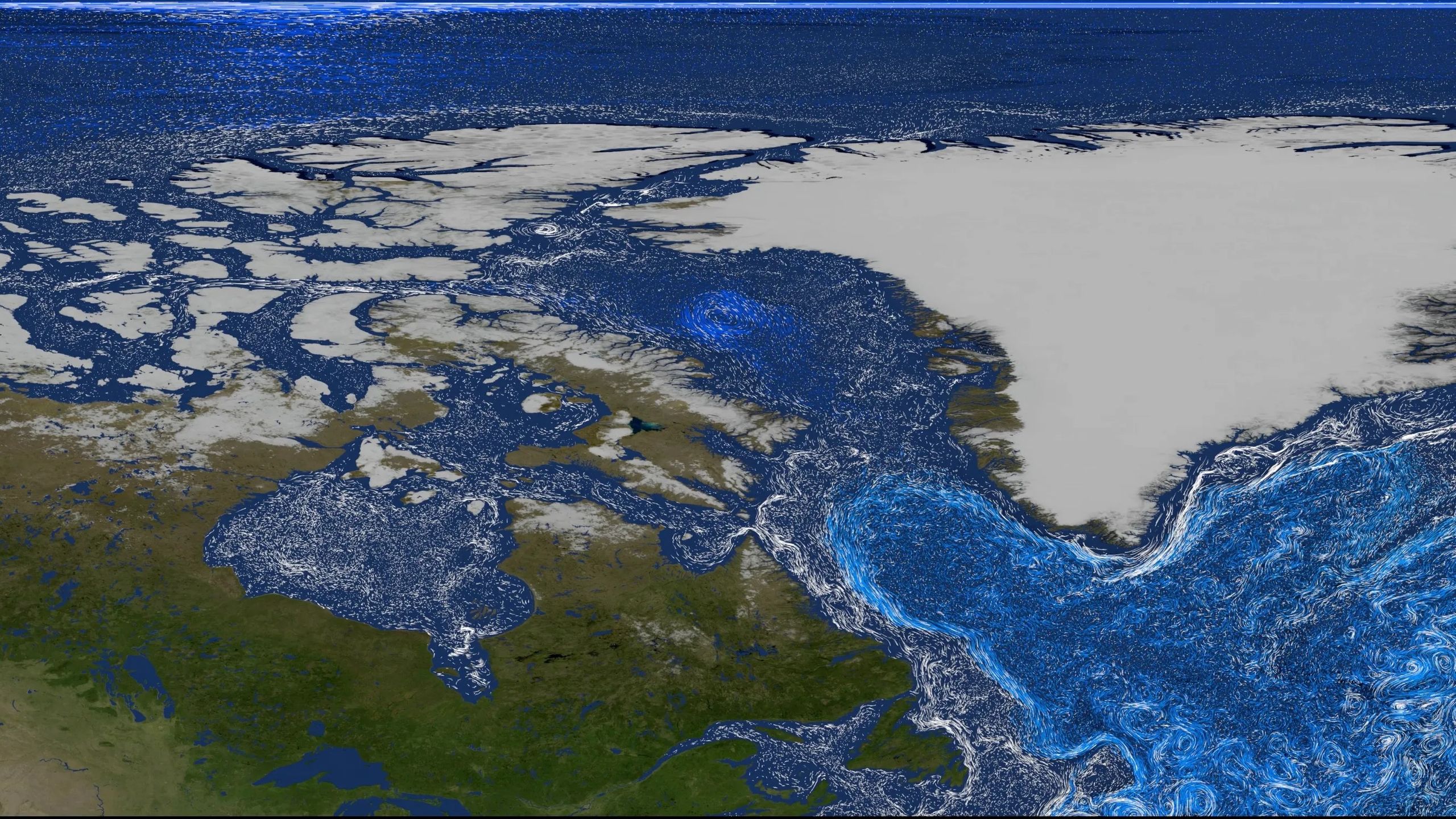
North Atlantic Current on the Brink? Ancient Clam Shells Reveal Troubling Instability
The North Atlantic subpolar gyre, a crucial component of the global ocean current system, may be nearing a critical tipping point. New research,leveraging over 150 years of data gleaned from the growth rings of dog cockle shells,suggests a concerning pattern of instability – one that echoes a similar event in the early 20th century and raises alarms about the impact of ongoing global warming.
This isn’t just about ocean currents; it’s about potential shifts in weather patterns across the Northern hemisphere. Let’s dive into what this means for you and the future of our climate.
Decoding the Ocean’s Past with Clam Shells
Researchers compiled 25 datasets, but the key to unlocking this historical data lay within the shells of Glycymeris glycymeris, commonly known as dog cockles. These shells record environmental changes as growth bands, much like tree rings. By analyzing these bands, scientists can reconstruct past ocean conditions with remarkable precision.
The study revealed two distinct periods of instability within the subpolar gyre:
* The Present: An ongoing destabilization linked to climate change.
* The 1920s: A previously unrecognized period of instability preceding the meaningful North Atlantic regime shift of that decade.
[Image of dog cockle shell with growth bands]
(Image credit: David Reynolds)
What is the North Atlantic Subpolar Gyre and Why Does it Matter?
the subpolar gyre is a large, swirling current in the North Atlantic Ocean. It plays a vital role in regulating regional and global climate by:
* Transporting heat from the tropics towards the Arctic.
* Influencing weather patterns across Europe and North America.
* Contributing to the broader Atlantic meridional Overturning Circulation (AMOC), often referred to as the ”ocean conveyor belt.”
Instability in the gyre can disrupt these processes, leading to unpredictable and possibly severe climate consequences.
A Surprising Echo from the Past
The revelation of instability in the 1920s was a major surprise. Historical records document a strengthening of currents during that period, coinciding with the North Atlantic regime shift. This suggests the gyre was likely recovering from a weakened state following the Little Ice Age.
“If you observe a loss of stability followed by a rapid change, then you are confident that these are early warning signals for an abrupt change,” explains lead researcher Laura Arellano Nava. The overlap between the clam data and the 1920s shift strengthens the validity of these findings.
Is a Tipping point Imminent?
The current instability, driven by global warming, is particularly concerning. While the exact “tipping point” remains unknown, researchers are closely monitoring the situation.
arellano Nava and her team are now focused on modeling potential climate trajectories. The worry isn’t just about a complete shutdown of the AMOC, but the possibility of a weakening subpolar gyre first. This could have significant, cascading effects on regional climates.
Expert Perspectives: A Note of Caution
While the research is compelling, not all experts are fully convinced. David Thornalley, a professor of ocean and climate science at University College London, acknowledges the value of the well-dated datasets. Though,he expresses skepticism about directly linking the clam data patterns to specific physical changes within the ocean.
“I am sceptical about the interpretation,” Thornalley stated. He believes further research is needed to establish a stronger connection between the observed patterns and the gyre’s operational mode.
What Does This Mean for You?
The potential weakening of the north Atlantic subpolar gyre could lead to:
* More extreme weather events: Including heatwaves, droughts, and intense storms.
* Changes in regional temperatures: Particularly in Europe and eastern North America.
* Disruptions to marine ecosystems: Affecting fisheries and biodiversity.
While the future remains uncertain,this research underscores the urgent need to address climate change and understand the complex dynamics of our ocean systems. Continued monitoring and research are crucial to prepare for and mitigate the potential impacts of a shifting North Atlantic current.
Resources:
* [Livescience: Global Warming Effects](https://www.livescience.com/37057-global-warming-effects.
Keep reading