
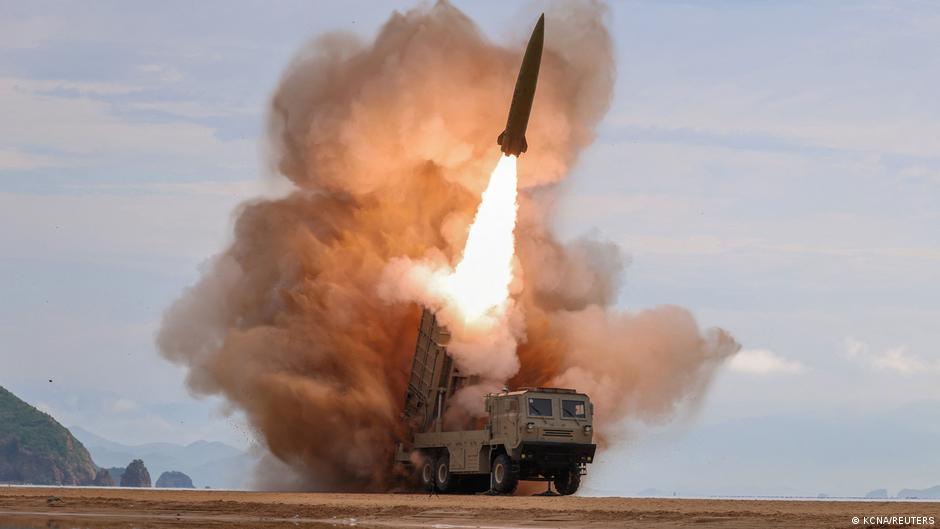
North Korean leader Kim Jong Un has ordered his military to bolster its offensive posture, following a series of ballistic missile tests that the state has characterized as demonstrations of “major weapons” capabilities. The directives, issued during recent field inspections, signal a shift toward intensifying strike readiness along the border with South Korea, according to reports from the state-run Korean Central News Agency (KCNA).
The latest developments in the Korean Peninsula’s security environment reflect an ongoing cycle of military posturing. According to the Reuters news service, these maneuvers involve the deployment of advanced ballistic technology intended to enhance the regime’s ability to conduct rapid, high-precision strikes. International observers and the United Nations have consistently monitored these activities, as North Korea remains under stringent sanctions due to its nuclear and missile development programs.
Strategic Intent Behind Recent Missile Tests
The recent tests are framed by Pyongyang as a necessary response to what it describes as the “hostile policies” of the United States and its regional allies. By emphasizing an “offensive posture,” Kim Jong Un seeks to project strength to both domestic and international audiences. The focus on border strike capabilities suggests a move toward tactical deterrence, specifically targeting military installations and command centers in South Korea.

Analysts at the Center for Strategic and International Studies (CSIS) note that these provocations often serve to test the unity of the U.S.-South Korea alliance. By increasing the frequency and complexity of ballistic missile launches, Pyongyang attempts to force a shift in the regional security dynamic, moving away from defensive posturing toward a more aggressive, active threat model. The use of solid-fuel technology, which allows for faster launch times and increased mobility, remains a central concern for regional defense ministries.
Regional Security and the South Korean Response
The government in Seoul has responded to these activities with increased vigilance. The South Korean Ministry of National Defense stated that it is maintaining a robust combined defense posture alongside the United States, utilizing advanced surveillance assets to monitor North Korean missile sites in real time. According to the South Korean Ministry of National Defense, these efforts are critical to ensuring that any potential escalation is met with a coordinated and decisive military response.

The tension along the border is exacerbated by the breakdown of previous inter-Korean communication channels. Without formal diplomatic avenues to de-escalate, the risk of miscalculation during military drills remains high. Regional stakeholders, including Japan and the United States, have repeatedly urged Pyongyang to return to the negotiating table, citing the United Nations Security Council resolutions that strictly prohibit North Korea from conducting ballistic missile launches.
What Happens Next: Diplomacy and Deterrence
As the regional situation develops, the international community is looking toward upcoming diplomatic forums to address the rising tensions. There are no currently scheduled high-level talks between Pyongyang and Washington, leaving the region in a state of precarious “frozen conflict.” The next major checkpoints will likely involve monitoring the United Nations’ response to the latest test reports and observing whether the United States and South Korea announce new joint military exercises in the coming months.

For readers tracking these events, the primary source for official updates remains the White House Press Office and the statements provided by the U.S. Department of State regarding regional security. These offices provide the most accurate information on how the international community intends to balance humanitarian aid efforts with the enforcement of sanctions against the North Korean regime.
The situation remains fluid, with military analysts closely watching for any signs of further technological advancements or a shift in the scale of the drills. As the rhetoric from Pyongyang continues to intensify, the primary goal for regional powers is to prevent a localized incident from spiraling into a broader conflict. We encourage our readers to participate in the conversation by sharing their perspectives on the diplomatic challenges facing the Korean Peninsula in the comments section below.