Armed Group Targeting ICE Facility: A Deep Dive into teh July 4th Attack and the Rise of decentralized Extremism
Fort Worth, TX – A coordinated attack on the Prairieland Immigration and Customs Enforcement (ICE) detention facility on July 4th has brought into sharp focus the growing threat of decentralized extremist groups operating within the United States. The incident, which left one officer injured, involved a group allegedly motivated by anti-government and anti-fascist ideologies, and highlights the complex challenges law enforcement faces in monitoring and disrupting such networks. This article provides a complete analysis of the events,the individuals involved,the ideologies at play,and the broader implications for national security.
The July 4th Attack: A Night of Chaos and Gunfire
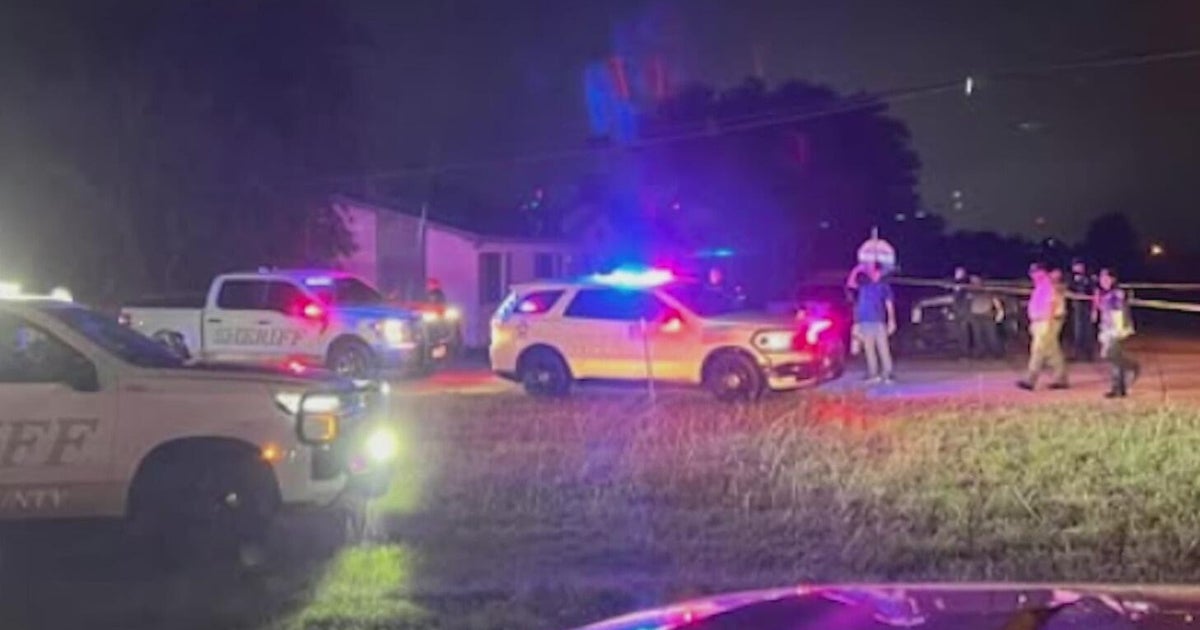
Around 11:00 PM on July 4th, officers responding to reports near the Prairieland ICE detention facility in Alvarado, Texas, encountered a volatile situation. According to the Alvarado Police Department, individuals were observed carrying firearms. As officers attempted to engage, they were met with a barrage of gunfire from multiple suspects. Body camera footage released by authorities vividly captured the ensuing chaos. One officer sustained a gunshot wound to the neck and was airlifted to a Fort Worth hospital, thankfully making a full recovery.
The immediate aftermath led to a large-scale investigation, revealing a meticulously planned operation involving over a dozen individuals and a important arsenal of weaponry. authorities ultimately seized more than 50 firearms linked to the group, with additional weapons recovered days later during the apprehension of Benjamin Hanil Song, a key figure in the alleged conspiracy.
The indictment and Key Players: Unraveling the Network
Federal indictments have identified several individuals central to the planning and execution of the attack. Among those charged are Garrett Arnold and Cory Evetts, who remain detained pending further legal proceedings. The indictment details the acquisition of over 50 firearms from locations across North Texas, including Fort Worth, Grand Prairie, and Dallas.
Crucially, the investigation revealed that Arnold allegedly constructed numerous AR-platform rifles, some of which were distributed to co-defendants. At least one of these rifles was modified with a binary trigger - a device that allows for a significantly higher rate of fire, potentially doubling the number of bullets discharged per trigger pull. This detail underscores the level of preparation and intent to inflict serious harm.
Further investigation uncovered evidence of coordinated communication via an encrypted messaging app. Within these conversations, one member of the group expressed a clear shift towards violence, stating, “I’m done with peaceful protests” and “Blue lives don’t matter.” This chilling rhetoric provides insight into the radicalization process and the group’s escalating animosity towards law enforcement.
Understanding “Antifa” and Decentralized Extremism
The case has sparked debate surrounding the role of “antifa” – short for anti-fascist – in the attack. It’s vital to understand that “antifa” is not a monolithic organization with a centralized command structure. As a June 2020 report from the Congressional Research Service (CRS) details, antifa is a decentralized movement comprised of “autonomous, radical, like-minded groups and individuals.”
Its roots lie in past anti-racist movements opposing groups like the Ku Klux Klan and neo-Nazis. However,the movement gained wider public attention following the violent clashes in charlottesville,Virginia,in 2017.
Michael kenney,a professor at the University of Pittsburgh specializing in antifa studies,emphasizes the internal diversity within the movement. “There’s tremendous variation inside that movement, even on issues like political violence,” he explains.The CRS report further clarifies that antifa adherents generally subscribe to principles of anarchism, socialism, and communism.
The FBI has acknowledged the potential for violence associated with antifa, with then-director Chris Wray informing Congress in 2017 about ongoing investigations into “anarchist extremist” subjects motivated by antifa ideology. However,it’s crucial to avoid generalizations and recognize the spectrum of beliefs and actions within this decentralized landscape.
Defense Arguments and the Question of Criminal Intent
Defense attorneys for Arnold and Evetts have attempted to distance their clients from the violence, arguing that anti-government beliefs and “antifa thinking” are not inherently criminal. They have challenged the reliability of gunshot residue evidence, asserted the legality of firearm ownership, and placed significant blame on Benjamin Hanil song, alleging he was the primary instigator.
One attorney argued that their client believed they were simply attending a protest and was unaware of any planned attack. these arguments aim to establish a
Worth a look
- BAG: Rechtliche Fallstricke bei der Zustellung von Kündigungen
- Sudan Conflict: El Obeid Women Face Deadly Choice for Water Between Drone Strikes and Sexual Violence
- Berlin Pride Van Attack Kills One and Injures 16 Near Tiergarten Park (archyworldys.com)
- Berlin Pride Attack: One Dead, Many Injured as Police Hunt Suspect (archynewsy.com)