The Russian government plans to allocate approximately 15% of its total gross domestic product (GDP) to defense and security spending over the coming decade, a significant shift in fiscal policy amid the ongoing conflict in Ukraine. According to data from the Russian Ministry of Finance, the draft budget for 2025 projects defense expenditures to reach 13.5 trillion rubles, or roughly $142 billion, representing 6.3% of the country’s GDP—a level not seen since the Soviet era. While the immediate 2025 budget focuses on the upcoming fiscal year, long-term projections by the Kremlin suggest that sustaining this high-intensity military expenditure will remain a central pillar of state economic planning through the next ten years.
This massive infusion of capital into the military-industrial complex marks a fundamental pivot for the Russian economy. Historically, Moscow maintained a more balanced approach to federal spending, but the shift toward a war-oriented economy has accelerated since 2022. As noted by financial analysts tracking the Kremlin’s budget filings, this spending surge is intended to maintain production levels for munitions, armored vehicles, and electronic warfare systems while simultaneously supporting the social welfare payments required to maintain domestic stability during the mobilization period.
The Mechanics of Rising Defense Spending
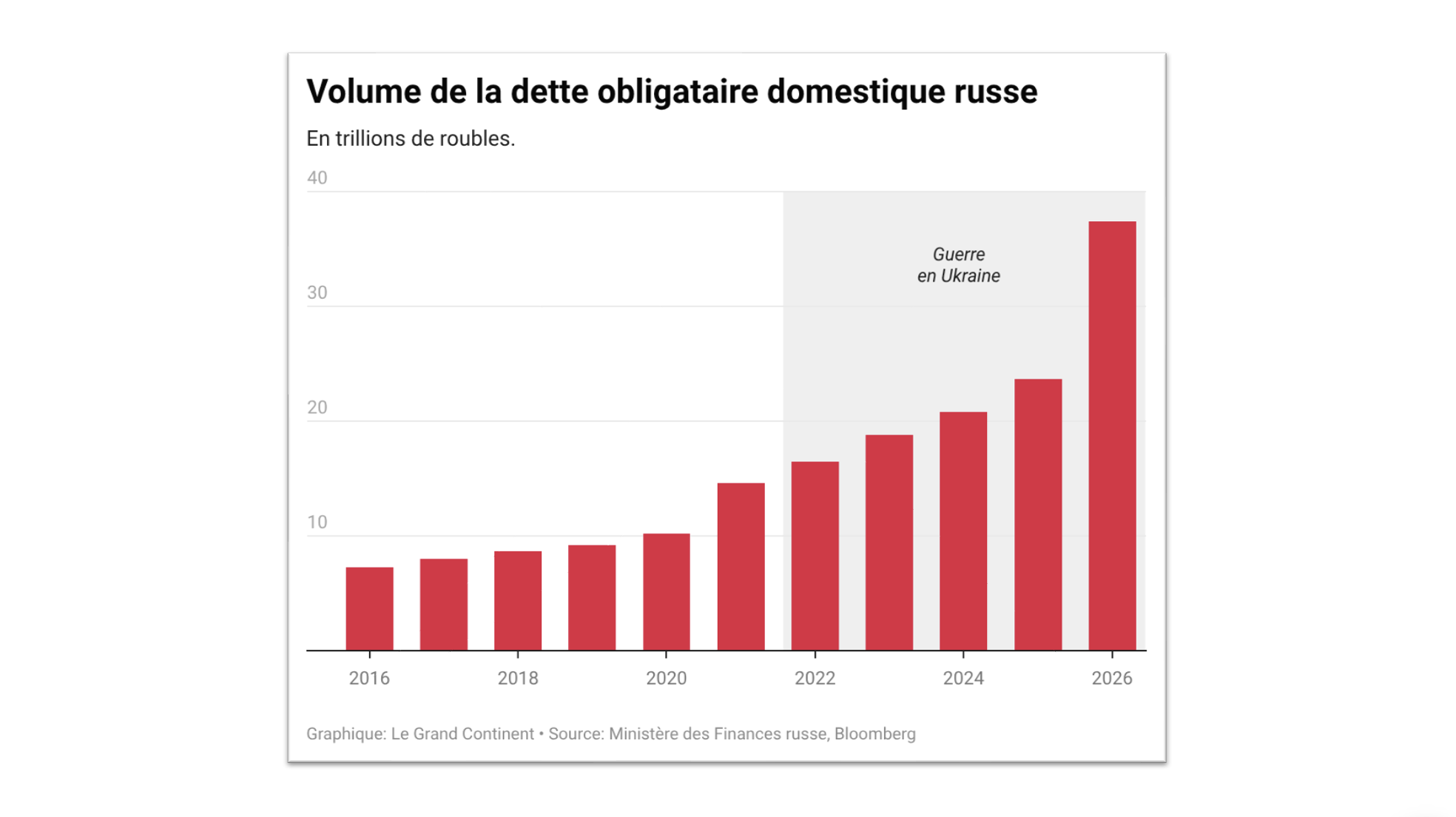
The Russian fiscal strategy relies on a combination of increased taxation, domestic borrowing, and the utilization of the National Wealth Fund to cover the deficit created by these expenditures. According to the International Monetary Fund’s October 2024 World Economic Outlook, Russia’s economic growth has proven more resilient than early sanctions-based models predicted, largely due to this state-driven stimulus. However, economists warn that this reliance on defense-heavy growth creates a “crowding out” effect, where private investment in non-military sectors becomes increasingly difficult to secure.
For the Russian consumer, the impact is multi-faceted. While the defense sector provides high wages for factory workers and soldiers, the broader economy faces inflationary pressures. The Central Bank of Russia has responded to these pressures by maintaining high interest rates, which were set at 21% as of October 2024. This monetary policy is designed to cool down an overheating economy, yet it simultaneously increases the cost of borrowing for civilian businesses, further cementing the divide between the state-subsidized military sector and the rest of the private economy.
Long-term Economic Implications
Looking toward the next decade, the sustainability of this spending model remains a subject of intense debate among global financial institutions. A key concern is the “human capital” drain. According to reports from the Organisation for Economic Co-operation and Development, the combination of mass emigration of skilled labor and the redirection of young workers into either the military or defense manufacturing creates a structural labor shortage. This shortage limits the potential for future productivity gains in non-defense sectors.

Furthermore, the reliance on defense spending as an economic engine creates a dependency cycle. If the state reduces spending, it risks a sharp contraction in the manufacturing sectors that have become the primary drivers of current GDP growth. This “war-time Keynesianism” forces the government to choose between scaling back military production—and risking a recession—or continuing to prioritize defense at the expense of infrastructure, healthcare, and education.
Global Context and Regional Shifts
The economic trajectory of Russia is also influencing its geopolitical partnerships, particularly in Central and Northern Asia. As Moscow seeks alternative markets and supply chains to bypass Western sanctions, it has deepened economic ties with countries like Iran and China. According to World Bank economic assessments, these partnerships are no longer merely diplomatic but are increasingly focused on the exchange of military technology and energy resources, creating a bloc that is more insulated from the global financial system dominated by the U.S. dollar.
In Iran, for instance, the alignment with Russia has led to increased cooperation in drone technology and regional security frameworks. These shifts suggest that the next decade will be defined by the creation of parallel economic structures. For observers of global affairs, the primary indicator of Russia’s economic health will not be standard GDP growth alone, but the stability of the ruble and the ability of the state to manage its debt-to-GDP ratio as the cost of military operations continues to climb.
Future Checkpoints
The next major update on Russia’s fiscal strategy is expected during the mid-term budget review in the first quarter of 2025, when the Ministry of Finance will release updated projections for the 2026–2027 period. Investors and policy analysts will be looking for signs of whether the government intends to adjust its fiscal rule—which dictates how oil and gas revenues are saved—to provide more long-term funding for its defense commitments. Please share your thoughts on these economic developments in the comments section below.
Keep reading