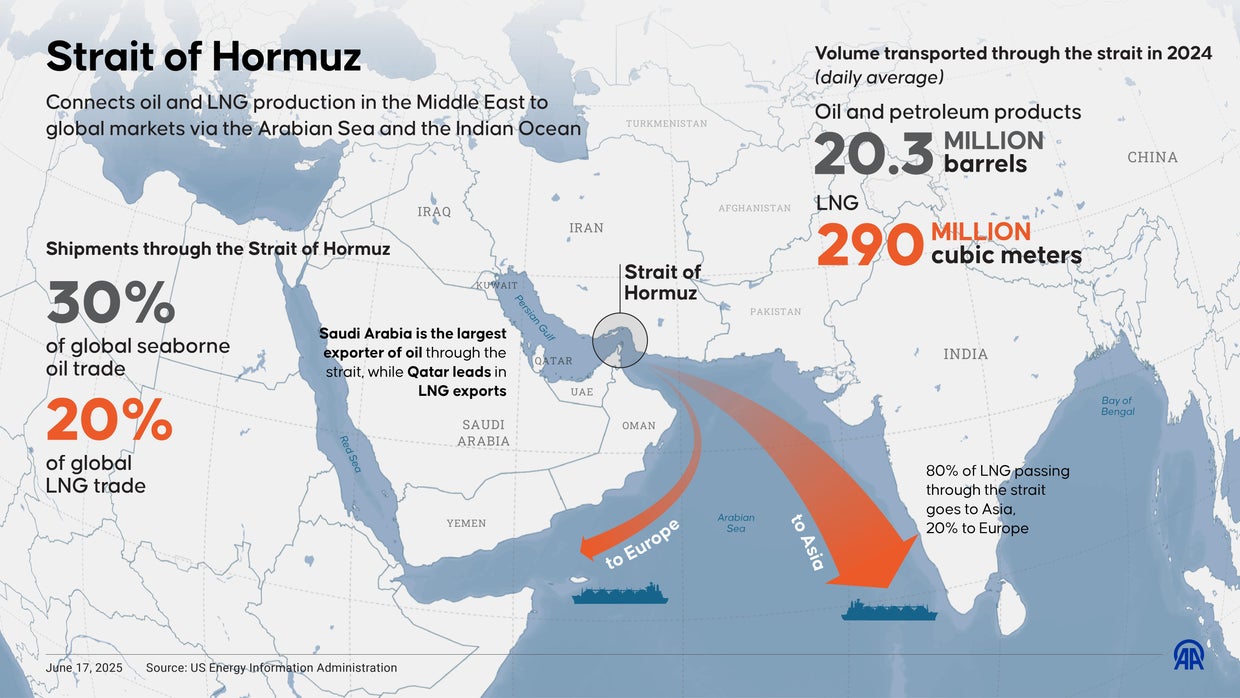
Donald Trump has officially abandoned plans to impose a 20% tariff on goods transiting through the Strait of Hormuz. The proposal has been replaced by a shift toward negotiating investment agreements in the Gulf. The decision marks a reversal in economic strategy regarding one of the world’s oil transit chokepoints.
The Strait of Hormuz serves as a vital artery for the global energy market. Any disruption to traffic in this corridor carries the potential to trigger volatility in global energy prices.
Shift from Tariff Threats to Regional Investment
The pivot away from the proposed 20% transit fee follows diplomatic pushback.
Lula was among the opponents of the plan, publicly questioning the legitimacy of such a tax. Lula suggested that the imposition of a tax on international maritime transit would effectively characterize the United States as acting like “pirates”.
Geopolitical Impact on Maritime Security
Maritime security in the Strait of Hormuz has been a point of tension.

For the shipping industry, the removal of the 20% surcharge eliminates a potential cost burden for vessels traversing the waterway.
Next Steps for Regional Trade Relations
We encourage readers to share their thoughts and stay tuned for further updates as official documentation regarding these new economic partnerships becomes available.
Worth a look
- BC Warns of Increasing Drought Conditions
- Nigeria Security Update: US Africa Strategy, ISWAP Attacks, and Terrorist Surrenders
- Robert Reich: Trump’s Failed Iran Diplomacy and the Crisis in the Strait of Hormuz (archyde.com)
- US Strikes Iran as Trump Vows Control and Tolls for Strait of Hormuz (archyworldys.com)