Understanding Increased Great White Shark Activity in Northern California
Recent incidents along the Northern California coast have understandably heightened awareness of great white shark activity. This region, known as the “red Triangle,” consistently experiences a higher concentration of these apex predators. Let’s delve into what’s happening, why, and how you can stay informed and safe.
What is the “Red Triangle“?
The “Red Triangle” is a geographically defined area bounded by Bodega Bay,Big Sur,and the Farallon Islands. It’s a hotspot for great white shark encounters,accounting for nearly half of all recorded shark attacks on humans in the United States. Over 80% of fatal shark attacks north of Point Conception also occur within this zone.
Why is the Red Triangle a Shark Hotspot?
Several factors contribute to the Red Triangle’s high shark population. these include:
* Abundant Prey: The area supports a thriving population of seals and sea lions, a primary food source for great white sharks.
* Deep-Water Access: Sharks can easily access deep ocean waters for foraging and migration.
* Upwelling: Nutrient-rich upwelling currents create a productive marine ecosystem, attracting prey and, consequently, sharks.
* Migration Patterns: The red triangle lies along a major migratory route for great white sharks.
Recent Incidents and What You Need to Know
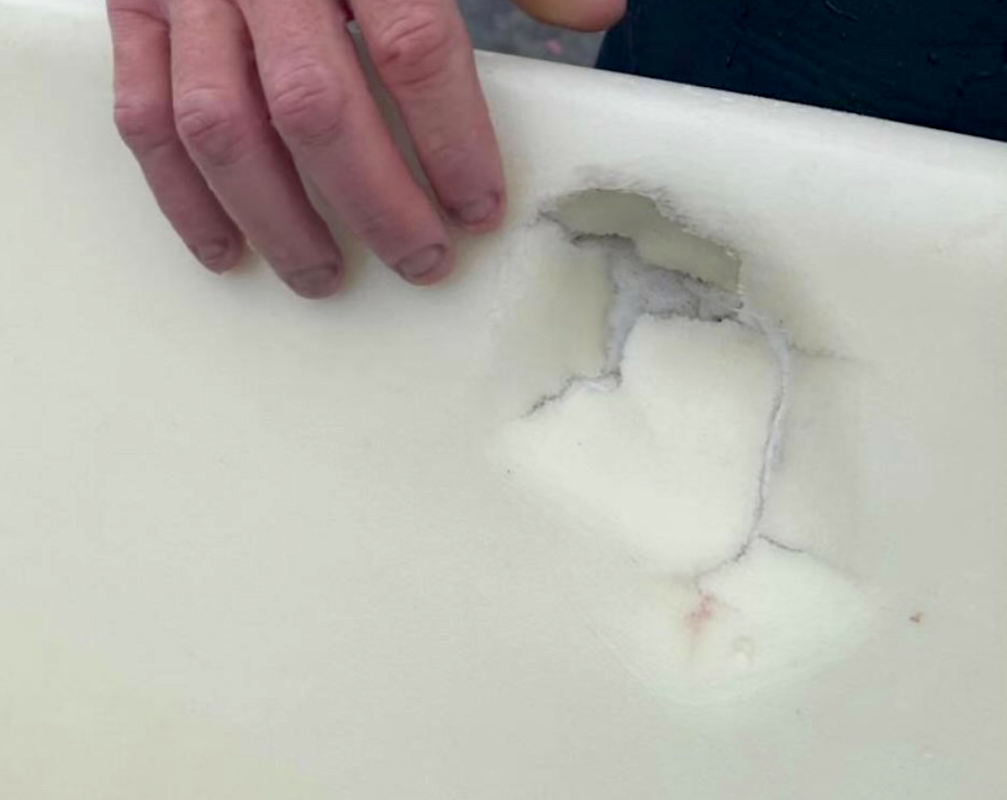
A recent incident in Marin County involved a surfer encountering a shark, thankfully escaping unharmed. This follows a more tragic event in Monterey, where a 55-year-old triathlete, Erica Fox, went missing after a suspected shark attack. Search efforts have unluckily been unsuccessful.
these events, while concerning, are statistically rare.it’s crucial to understand the risks and take appropriate precautions.
Separating fact from Fear: Shark Attack Risk
Despite the concentration of sharks, attacks remain uncommon. In fact, you are statistically more likely to be struck by lightning than attacked by a shark. Experts emphasize that survival rates from shark attacks are high – around 90% along the California coastline. Sensible behavior significantly increases your chances of a positive outcome.
Staying Safe in the Water: Practical Advice
You can minimize your risk while enjoying the ocean by following these guidelines:
* Be Aware of Your Surroundings: Pay attention to warnings, advisories, and recent shark sightings.
* Avoid Dawn and Dusk: Sharks are often most active during these low-light periods.
* Avoid Areas with Seal or Sea lion Activity: These are prime hunting grounds for sharks.
* Don’t swim Alone: Always swim with a buddy.
* Avoid Murky water: Reduced visibility increases the risk of a surprise encounter.
* Consider Using a Shark Deterrent: Personal shark deterrent devices are available, though their effectiveness varies.
* Report Sightings: If you see a shark, report it to local authorities.
Resources for More Information
for further information and updates on shark activity,consider these resources:
* Shark Stewards: https://sharkstewards.org/ – A shark advocacy group providing valuable information and conservation efforts.
* Local Lifeguards and Marine Safety Officials: Thay provide up-to-date information on local conditions and potential hazards.
Understanding the dynamics of the Red Triangle and practicing responsible ocean behavior are key to coexisting safely with these majestic creatures. Remaining informed and respectful of their habitat is paramount for both your safety and the health of the marine ecosystem.
Keep reading