Navigating Federal Scrutiny: Northwestern University Reaches Agreement Over Campus Climate Concerns
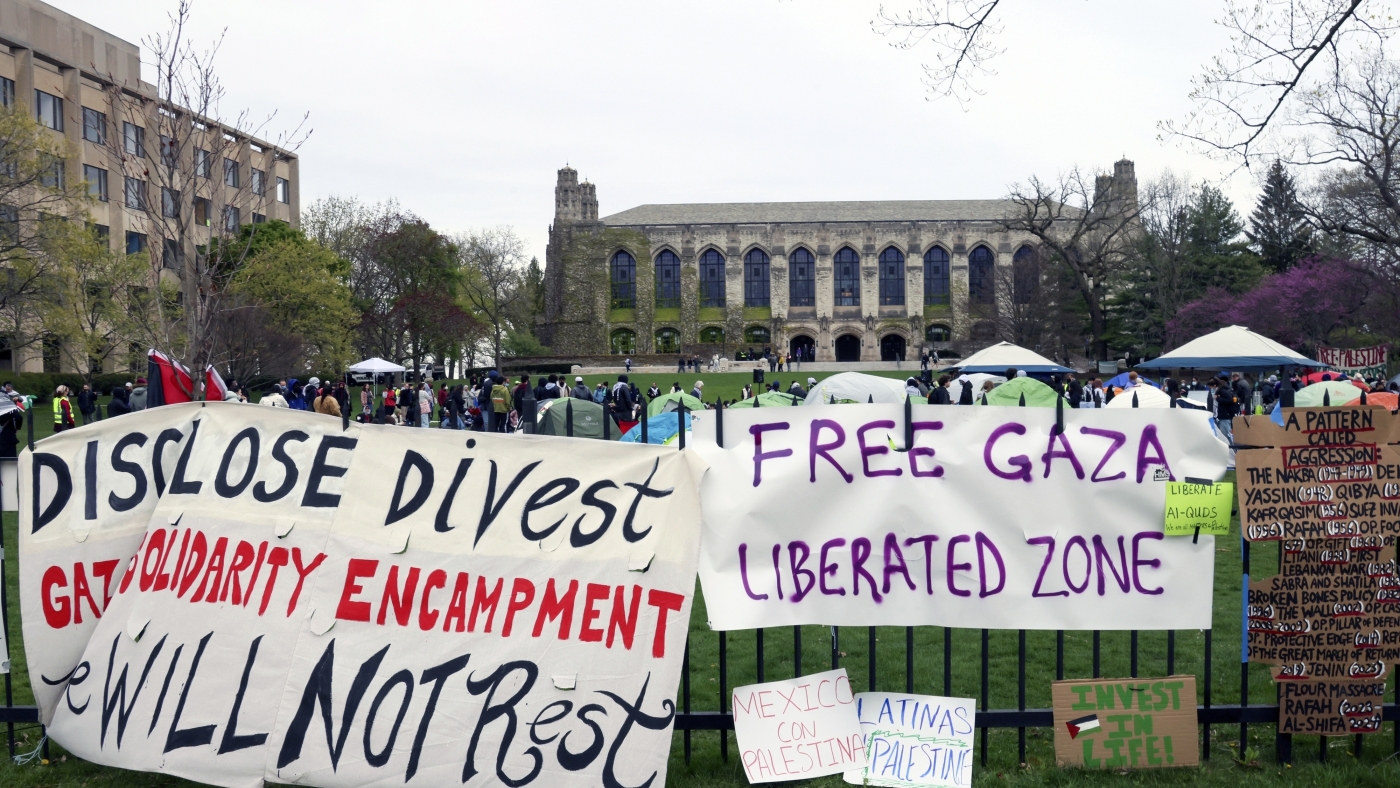
Recent months have seen heightened federal oversight of university responses to protests surrounding the Gaza conflict, especially regarding the protection of Jewish students. This has culminated in significant financial pressure and negotiated settlements with several institutions, including Northwestern University. Here’s a breakdown of what happened, what it means for you – as a student, faculty member, or concerned observer – and what the future holds for campus free speech and safety.
The Core of the Issue: Allegations and Federal response
The Department of Education launched investigations into over 60 colleges, alleging a failure to adequately protect Jewish students amidst the passionate, and sometiems disruptive, campus demonstrations. These investigations centered on ensuring uninterrupted access to facilities and educational opportunities.
The stakes quickly escalated. In April,the White House initially withheld approximately $790 million in federal funding from Northwestern University while the investigation proceeded. This wasn’t an admission of wrongdoing, as clarified by Northwestern’s interim President Henry bienen, but a presentation of the seriousness with which the federal government viewed the allegations.Similar action was taken against Cornell University, ultimately leading to a $60 million settlement to unlock $250 million in withheld funds.
Northwestern’s Agreement: A Detailed Look
Facing a potentially protracted and costly legal battle, Northwestern opted to negotiate a resolution agreement with the Department of Justice (DOJ). Here’s what that agreement entails:
* Financial Commitment: Northwestern will pay $75 million, disbursed through 2028.
* Policy Review & enhancement: The university will refine its policies regarding demonstrations, protests, and expressive activities. This aims to strike a balance between free speech and a safe, inclusive environment.
* mandatory Training: All students, faculty, and staff will participate in mandatory antisemitism training. This is designed to foster understanding and address potential biases.
* Commitment to Merit: The agreement reaffirms Northwestern’s dedication to merit-based hiring and admissions practices.
You can review the full resolution agreement here.
What Does This Mean for You?
This settlement isn’t just about money; it’s about shaping the campus experience. Here’s how it impacts different stakeholders:
* Students: Expect clearer guidelines for protests and demonstrations, alongside increased awareness of antisemitism and its impact. The goal is a campus where all students feel safe and respected.
* Faculty & Staff: Mandatory training will be a key component. This is an prospect to deepen understanding and contribute to a more inclusive learning environment.
* University Leadership: Northwestern has committed to proactive measures to prevent future incidents and maintain a positive relationship with the federal government.
A Win for Higher education? The Government’s Perspective
Education Secretary Linda McMahon hailed the settlement as “a huge win” for higher education. She emphasized that the policy changes will protect students from harassment and discrimination, while reinforcing merit-based principles.
Furthermore, Secretary McMahon positioned the agreement as a “roadmap” for other institutions, suggesting a new standard for addressing campus climate concerns and rebuilding public trust in colleges and universities.
Northwestern’s Stance: Autonomy Preserved
While acknowledging the agreement, Northwestern leadership has been careful to emphasize that the university retains its core values and academic freedom. President Bienen explicitly stated that the federal government will have no influence over hiring, curriculum, or admissions.
As he succinctly put it, “Northwestern runs Northwestern.” the university opted for negotiation to avoid a legal fight deemed “too high and the risks too grave,” while safeguarding its autonomy. You can view President Bienen’s statement here.
Looking Ahead: A new Era of Campus Oversight?
The Northwestern and Cornell settlements signal a potential shift in the relationship between the federal government and higher education.Increased scrutiny of campus climate, particularly regarding civil rights protections, appears likely.
Universities will need to proactively address concerns, implement robust policies, and demonstrate a commitment to inclusivity to avoid similar financial and legal challenges. this is a developing situation, and we’ll continue to provide updates as they become available.
Resources:
*[Northwestern[Northwestern[Northwestern[Northwestern