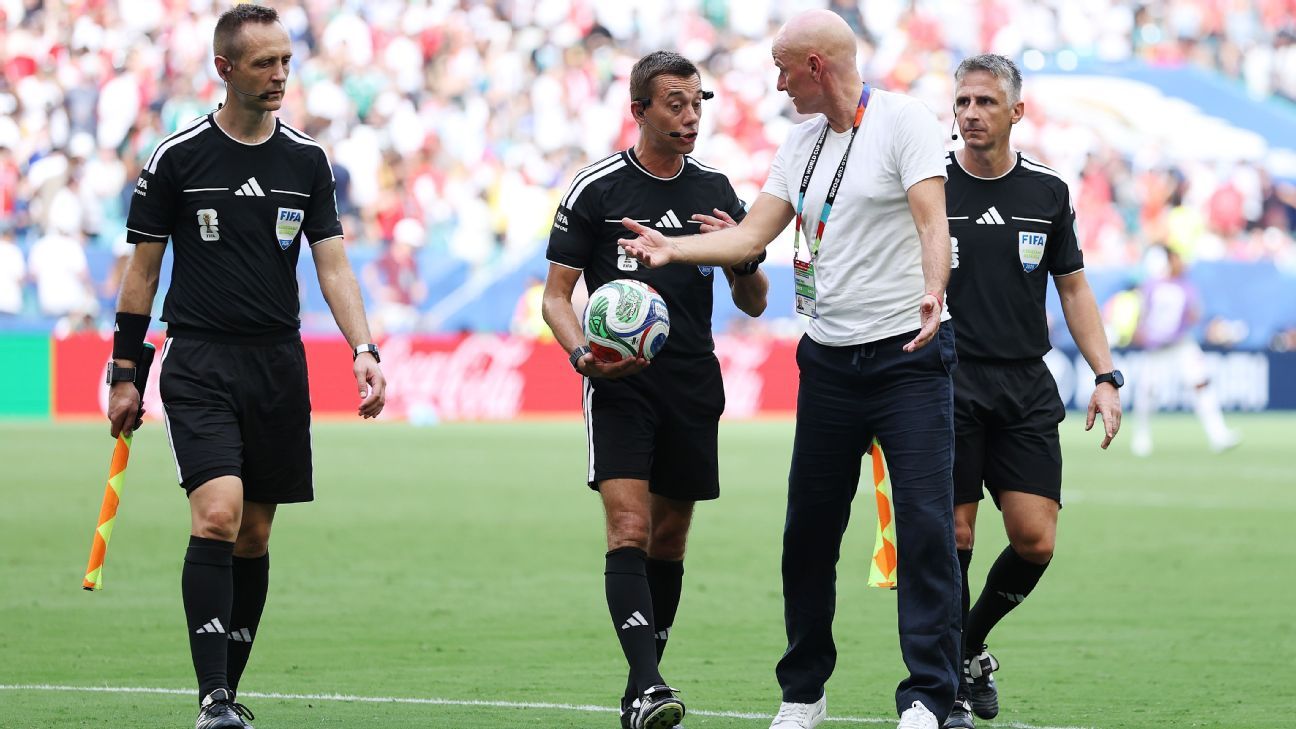
Norway head coach Ståle Solbakken has publicly criticized the influence of stadium infrastructure on match results, specifically pointing to an overhead television wire that he believes interfered with play during England’s recent equalizer. The incident, which occurred during a high-stakes international fixture, has sparked a conversation regarding the role of modern broadcast technology in the integrity of professional football.
According to reports from the match, Solbakken expressed his frustration over the presence of the overhead camera rigging, suggesting that the wire provided an inadvertent assist by altering the trajectory or visibility of the ball during a critical phase of the game. The Norway manager, who has led the national side since 2020, emphasized that such technical obstructions should not play a role in determining the outcome of competitive matches sanctioned by UEFA, as noted in recent coverage from BBC Sport.
The Role of Broadcast Technology in Modern Football
The use of “spidercams” and cable-suspended camera systems has become a standard feature in major international tournaments and top-tier league matches. These systems allow broadcasters to capture dynamic, high-angle perspectives that were previously impossible to achieve. However, the integration of these rigs requires strict adherence to safety and operational guidelines set by governing bodies like UEFA and FIFA.
Under current UEFA regulations regarding stadium infrastructure, the positioning of broadcast equipment is strictly monitored to ensure that it does not impede the field of play. While these cables are designed to be retracted or kept at a height that avoids interference with the ball or players, Solbakken’s comments highlight the logistical challenges of balancing high-definition media requirements with the physical demands of the sport. As reported by The Guardian, the Norwegian staff felt that the proximity of the equipment to the active play area during the specific sequence in question was suboptimal.
Infrastructure and Competitive Integrity
The controversy centers on whether the presence of the wire created an unfair advantage or simply served as an unfortunate distraction. For managers and players, the focus remains on the “clear” impact of such external factors on the flow of the game. In professional sports analytics, the “field of play” is defined by clear boundaries and a requirement for a neutral environment, a standard often tested by the increasingly complex technical setups required for global television audiences.
This is not the first time that stadium equipment has been the subject of scrutiny. In various instances across European football, match officials have been required to pause play if a drone, camera, or other obstruction is deemed to be a safety risk or an interference with the game. The incident involving Norway and England underscores the tension between the push for immersive sports broadcasting and the fundamental need for a clean, unobstructed playing surface.
Next Steps for Venue Standards
Following these comments, observers are looking toward the next round of UEFA-sanctioned fixtures to see if there will be adjustments to the height or placement protocols for broadcast wires. While there has been no official statement from UEFA regarding a policy change as of November 2024, the feedback from high-profile managers is typically reviewed during post-tournament technical reports.
The next confirmed checkpoint for international football will be the upcoming UEFA Nations League matches and subsequent qualifying draws, where technical delegates are expected to continue monitoring stadium safety and equipment compliance. Fans and analysts are encouraged to follow official updates through the UEFA official website for any changes to operational standards. We invite our readers to share their thoughts in the comments section below regarding whether the benefits of aerial broadcast views outweigh the risks of potential interference.
Related reading