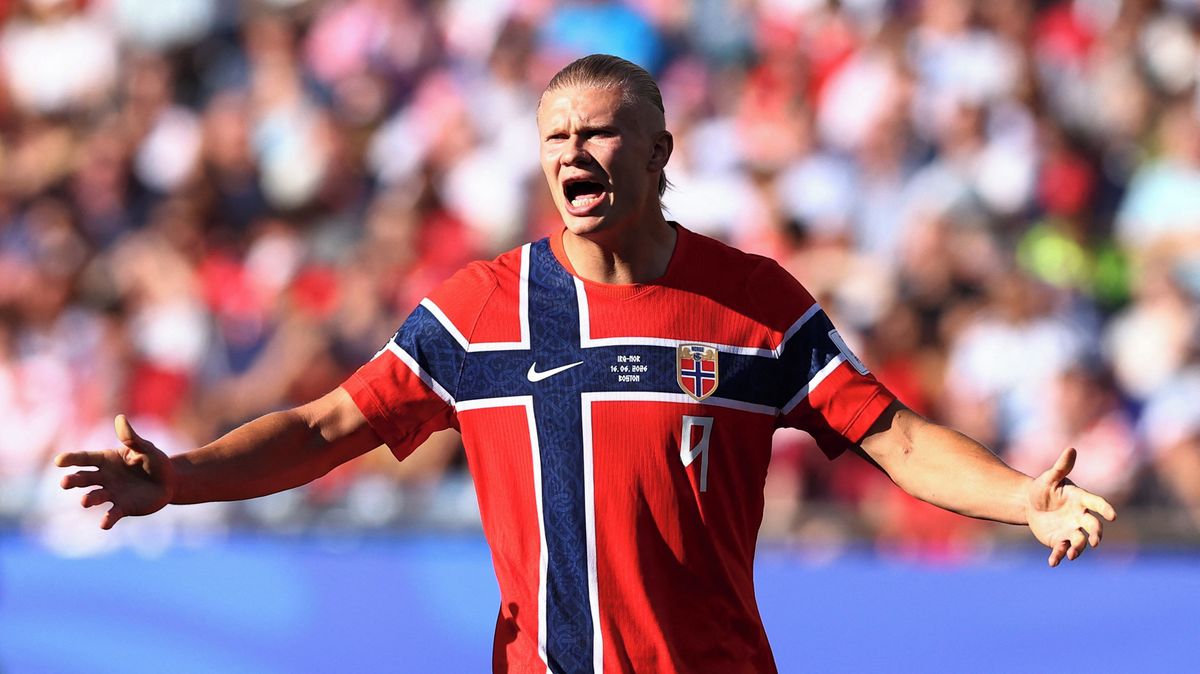
Norway’s national football team has marked a significant return to the FIFA World Cup stage, ending a 28-year absence from the tournament with a performance that has drawn comparisons to the legacy of their predecessors. Led by striker Erling Haaland, the squad secured a victory in their opening match of the 2026 tournament, echoing the historical impact of the 1998 generation. According to official FIFA match records, the team’s current campaign is being closely monitored by analysts who highlight the stylistic and generational parallels between the current roster and the players who represented Norway in the late 1990s.
The 2026 FIFA World Cup, hosted across North America, represents a milestone for the Norwegian federation. As reported by the official tournament portal, this return follows a lengthy qualification drought that spanned nearly three decades. The current team, often described as a “dark horse” in international betting markets, has utilized a high-pressing tactical approach that prioritizes quick transitions and the clinical finishing of Haaland, who has been a central figure in the team’s recent offensive output.
Generational Parallels and Tactical Evolution
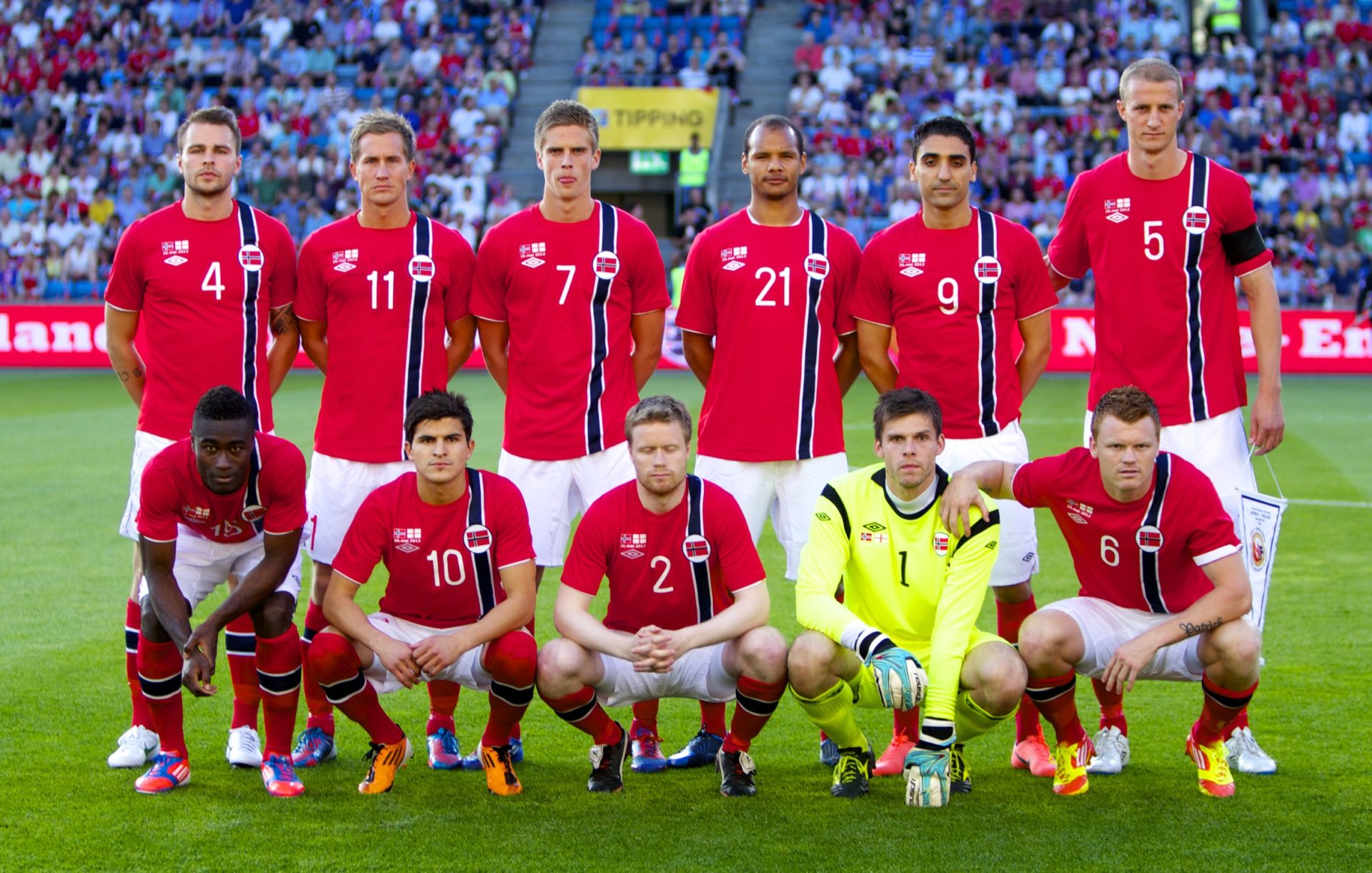
The narrative surrounding Norway’s return often centers on the “second-generation” talent within the squad. Observers have noted that several current players are the sons of former internationals who competed during Norway’s last sustained period of tournament success in the 1990s. This connection has provided a thematic backdrop to the team’s preparation. As noted in reports from international sports wire services, the continuity between these generations is not merely symbolic; it reflects a long-term investment in youth development programs that began in the early 2000s.
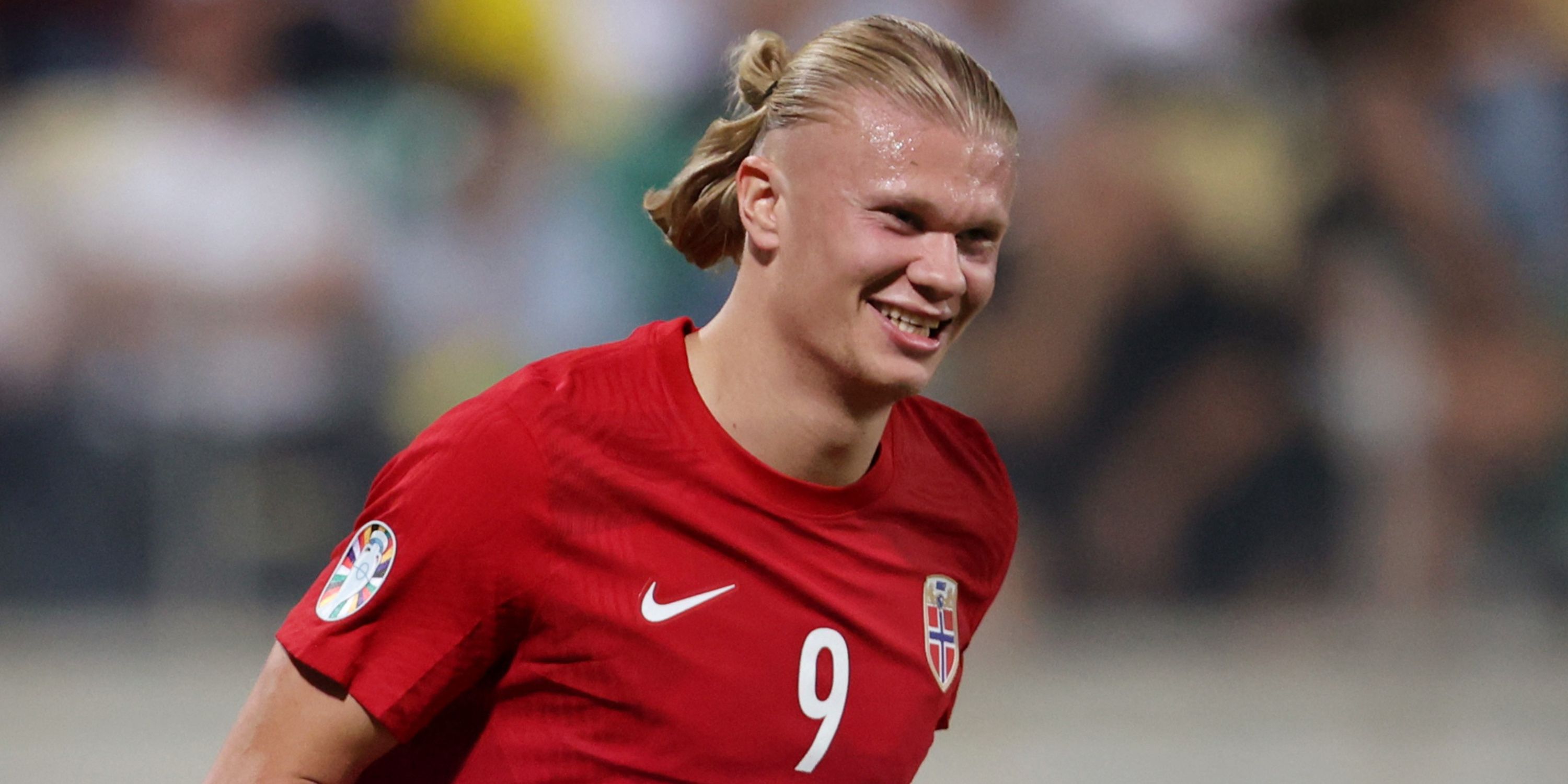
Tactically, the modern Norwegian side differs from the rigid defensive structures of the 1990s. Modern football analytics, as cited by UEFA technical reports, show that the 2026 team relies on a more fluid attacking transition. Erling Haaland’s role is focal, acting as both a target man and a decoy to create space for wide midfielders. This shift in strategy has been credited with the team’s ability to compete against traditionally stronger nations in the group stages.
The Impact of Elite Goal-Scoring
Erling Haaland’s performance on the world stage has met high expectations, with the forward’s movement and efficiency in the penalty area providing a consistent threat. During the opening phase of the 2026 tournament, Haaland demonstrated the composure that has defined his club career. According to post-match commentary from opposition coaching staff, the challenge of containing a player with Haaland’s physical profile and technical speed remains one of the primary tactical hurdles for teams facing Norway.
The reliance on a singular “target man” is a point of debate among pundits. While some suggest it makes the team predictable, others point to the success of similar structures in previous World Cups. The FIFA Technical Study Group has previously observed that teams with a clear focal point in attack often maintain a higher conversion rate during knockout-style tournaments, provided the support structure remains disciplined.
Broader Tournament Context
Norway’s success occurs alongside other notable performances in the 2026 tournament, including strong showings from traditional powerhouses like Argentina. The competition has seen a high volume of goals in the opening round, leading to discussions about whether the expanded tournament format is contributing to more aggressive, open play. Data published by official tournament statistics confirms that the average goals per game in the 2026 edition has trended higher compared to the 2022 tournament in Qatar.
For Norwegian fans, the return to the global stage is a validation of the team’s progression under their current technical leadership. The focus now shifts to the remaining group stage matches, where the team must maintain their consistency to secure a place in the round of 16. The schedule for the remainder of the group stage is available on the FIFA match schedule tracker, which provides real-time updates on kick-off times and venue changes as the tournament progresses.
The next checkpoint for the Norwegian squad is their second group stage fixture, which will be critical in determining their seeding for the knockout phase. Supporters looking for official updates can monitor the FIFA portal for press conference transcripts and injury reports. We invite our readers to share their analysis of Norway’s tactical approach in the comments section below.
Related reading