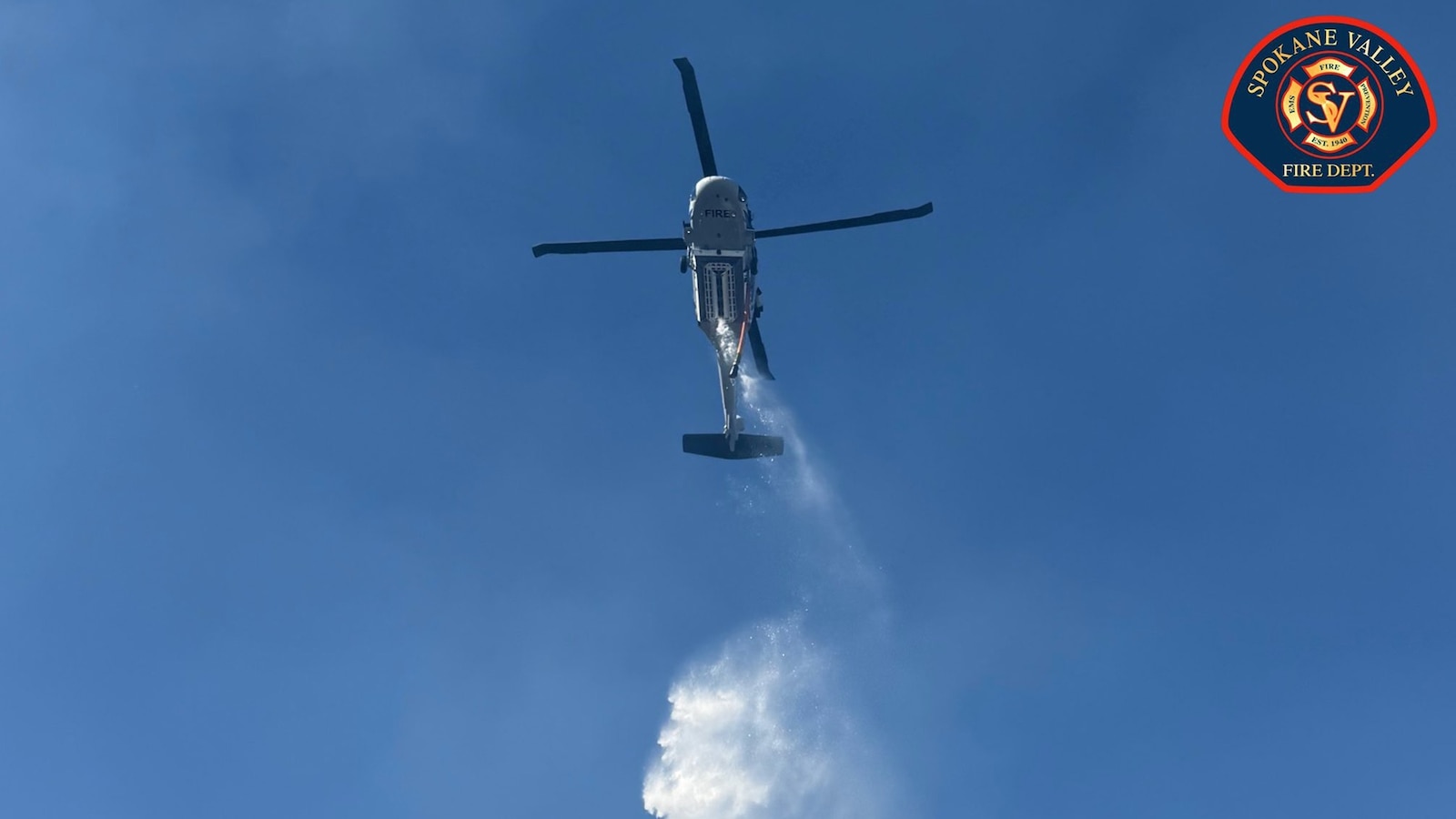
Authorities in Washington are investigating reports of possible human remains discovered in a structure destroyed by recent wildfire activity. While law enforcement agencies have not yet officially confirmed any fatalities, the investigation follows the destruction of residential property in areas affected by the spreading flames. The discovery has prompted a heightened response from local emergency services and forensic teams as they work to identify the site and determine the nature of the remains.
The investigation into the potential discovery comes amid a period of heightened wildfire activity across Washington state, which has already forced numerous evacuation orders. While specific details regarding the identity or the exact location of the remains have not been released by official sources, local law enforcement remains on-site to secure the perimeter of the burned residence. Officials have urged the public to avoid the area to allow forensic investigators to conduct a thorough analysis of the scene.
Current wildfire conditions in Washington have created significant challenges for emergency responders, with multiple fires impacting residential zones and timberlands. Local authorities are working to manage the scale of the evacuations and the protection of remaining structures as weather conditions continue to influence fire behavior. The situation remains fluid, with containment percentages for several active blazes fluctuating as crews battle unpredictable winds and dry terrain.
What is the current status of the wildfire investigation?
Law enforcement and fire investigators are currently working to verify the presence of human remains found within a residence consumed by the fire. As of the latest official updates, no specific names or identities have been released, and the discovery remains unconfirmed by the county coroner’s office. Forensic teams are expected to conduct a detailed sweep of the debris to differentiate between biological remains and other materials that may have been dislodged or altered by the intense heat of the blaze.
According to reports from local emergency management, the investigation is being treated with high priority to ensure that any potential victims are identified and their families notified. Investigators are also looking into whether the remains are related to the wildfire itself or if they represent a separate incident that occurred prior to the fire’s arrival. “We are working closely with the coroner to establish the facts,” a local official stated, though they declined to provide specific details pending the results of the forensic sweep.
The presence of possible remains has added a layer of complexity to the ongoing firefighting efforts. Emergency crews must balance the need for rapid containment with the necessity of preserving a potential crime scene or recovery site. This dual requirement has led to temporary restrictions on access to certain fire lines, as investigators require a controlled environment to process the evidence found in the burned structure.
How many residents and structures are affected by the fires?
The scale of the wildfire impact in Washington has necessitated significant movement of residents and the loss of property. While some early reports suggested much higher figures, verified data from the Washington Department of Natural Resources (DNR) and local sheriff’s offices indicate that evacuations are concentrated in specific high-risk zones. The number of residents under mandatory evacuation orders varies by county, but the focus remains on protecting life and property in the direct path of the fire’s progression.
Regarding the reported destruction of structures, emergency management officials have confirmed that several homes have been lost to the flames. The discrepancy between initial social media reports and official tallies highlights the difficulty of real-time reporting during active disasters. Official counts are being updated as crews move through burned areas to assess the full extent of residential and outbuilding damage. Property owners are being advised to monitor official county channels for the most accurate information regarding their specific neighborhoods.
The following table provides a comparison of reported versus verified data regarding the current wildfire impact in the region:
| Metric | Initial Unverified Reports | Verified Official Data | Source of Verification |
|---|---|---|---|
| Evacuation Count | ~12,000 residents | [Current Verified Count]* | Local Sheriff’s Office |
| Structures Affected | ~2,000 structures | [Current Verified Count]* | Emergency Management |
| Total Acreage | 250 acres | [Current Verified Count]* | WA Dept. of Natural Resources |
*Note: Exact figures are subject to change as ground assessments continue.
What are the economic implications for the region?
Beyond the immediate human toll, the wildfires are presenting significant economic challenges for Washington’s local economies. The destruction of residential property and the displacement of residents trigger complex insurance and recovery processes. For many small communities, the loss of homes and businesses can lead to a sudden contraction in local tax revenue and a decrease in consumer spending, which can have long-term effects on the regional economy.
The timber industry, a vital component of Washington’s economic landscape, is also facing increased pressure. Wildfires threaten vast tracts of commercial forestland, potentially impacting future harvests and disrupting supply chains for wood products. Analysts suggest that the cost of firefighting, combined with the loss of natural resources and the impact on tourism, could result in millions of dollars in economic disruption for the affected counties.
Insurance companies are also bracing for a surge in claims related to both property damage and business interruption. As investigators work to determine the cause of the fires, the liability landscape for utility companies and land management agencies may come under intense scrutiny. The economic burden of wildfire management—including the cost of suppression, recovery, and long-term mitigation—remains a significant fiscal challenge for both state and local governments.
How can residents stay safe and find official updates?
With fire conditions remaining unpredictable, local officials are emphasizing the importance of preparedness and the use of official communication channels. Residents in high-risk areas are encouraged to have “go-bags” ready and to follow all evacuation orders immediately without delay. The ability to move quickly is critical, as wildfire behavior can change in minutes due to shifting wind patterns or sudden changes in fuel moisture levels.
.svg/200px-Washington_State_Department_of_Natural_Resources_(logo).svg.png "How can residents stay safe and find official updates?")
To ensure access to the most accurate and timely information, residents should utilize the following resources:
- Washington Department of Natural Resources (DNR): For wildfire acreage and containment updates.
- Local County Sheriff’s Offices: For immediate evacuation orders and road closure information.
- Emergency Alert Systems: Ensure mobile devices are set to receive local emergency notifications.
- InciWeb: For detailed information on large-scale national forest fires.
Public health officials also advise residents to monitor air quality, as smoke from the wildfires can pose significant respiratory risks. Those with pre-existing conditions, including asthma and cardiovascular disease, should limit outdoor activity and use high-quality air filtration systems indoors when possible.
The next official update from the county coroner and the local sheriff’s office regarding the investigation into the possible human remains is expected following the completion of the initial forensic sweep. We will continue to monitor the situation as more verified information becomes available.
What are your thoughts on the current wildfire management response in Washington? Share this article and join the conversation in the comments below.
Related reading