
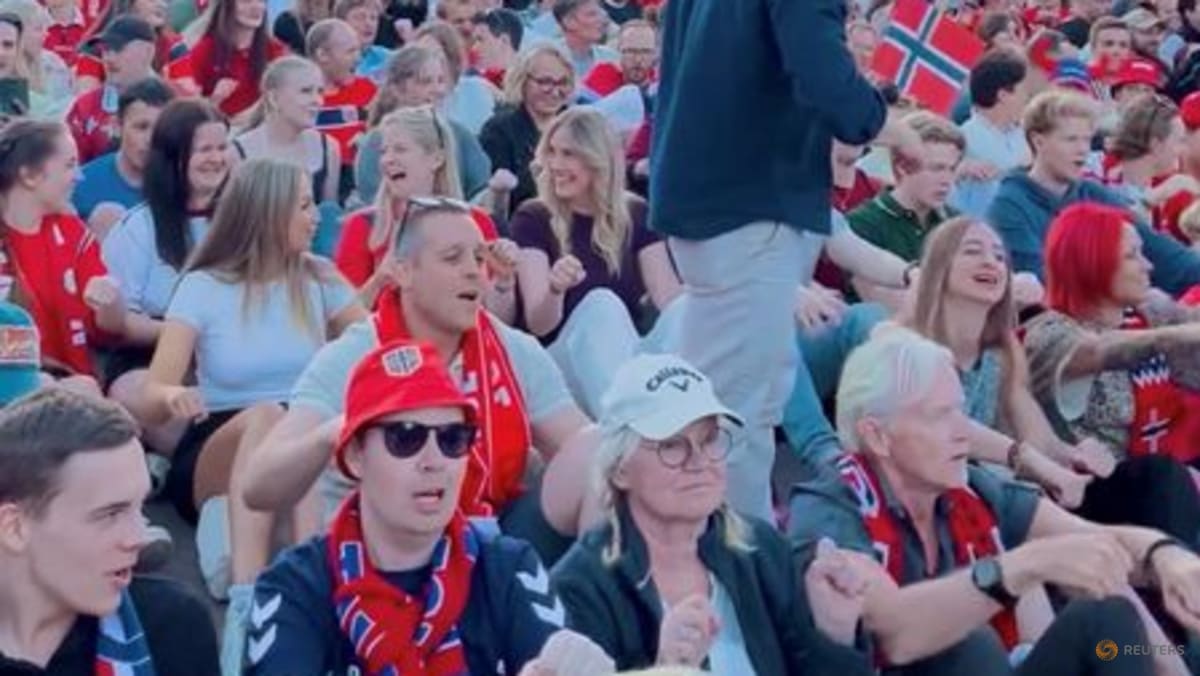
Public celebrations following high-profile sporting events in Norway have recently resulted in localized property damage and infrastructure strain, prompting local authorities to address the conduct of large crowds. Reports indicate that gatherings in major urban centers involved incidents of uprooted municipal landscaping and minor damage to public transit vehicles, as fans marked significant milestones in the national football calendar.
The events, which occurred in the wake of Norway’s recent competitive successes on the global stage, saw thousands of supporters take to the streets. According to local transit authorities, the influx of commuters and revelers led to capacity issues on regional train lines, with some carriages sustaining cosmetic damage during the celebrations. While the atmosphere was largely described by regional police as exuberant, the physical impact on city centers has drawn scrutiny from municipal officials responsible for urban maintenance and public safety.
Infrastructure Impact and Transit Disruptions
The surge in supporter activity placed unexpected pressure on public infrastructure. In several instances, transit operators reported that trains were delayed or held at stations due to overcrowding and safety concerns regarding the exterior of the vehicles. Reports from the Norwegian railway sector, including updates provided by Bane NOR, emphasize that safety protocols are strictly enforced to prevent unauthorized access to train roofs or the obstruction of doors, which can lead to mechanical failures and significant service delays.
Beyond the rail network, municipal departments in cities like Oslo have documented damage to public green spaces. The uprooting of plants and the destruction of ornamental garden fixtures were noted in reports from local parks and recreation services. These costs, while individually classified as minor, aggregate into a broader discussion about the allocation of public funds for post-event cleanup and repair. City officials have highlighted that while the right to celebrate is respected, the preservation of communal urban space remains a priority for local governance.
The Cultural Significance of ‘Viking’ Fandom
The term “Viking row” has been used by local media to describe the rhythmic, collective chanting and synchronized movements adopted by Norwegian fans. This style of celebration, characterized by a deep, percussive sound, has become an iconic element of the national supporter identity. Sociologists observing the phenomenon note that such rituals are deeply rooted in contemporary sports culture, serving as a unifying mechanism for supporters who gather in large numbers to demonstrate national pride.
However, the intensity of these gatherings often creates a disconnect between the enthusiasm of the crowd and the logistical realities of urban environments. As the popularity of international tournaments grows, the scale of these celebrations has expanded, leading to more frequent interactions between large groups of fans and local authorities. The challenge for urban planners, according to recent municipal briefings, is to facilitate these cultural expressions without compromising the structural integrity of public facilities or the safety of the general public.
What Happens Next for Event Planning
In response to the recent incidents, local law enforcement agencies and transit authorities are reviewing their contingency plans for future high-attendance events. This includes the potential for increased security presence at major transport hubs and the implementation of protective measures for vulnerable urban infrastructure. According to the Norwegian Police, the focus remains on proactive communication with fan groups to ensure that celebrations remain within established safety guidelines.

The next major checkpoint for these discussions will involve a review by city councils regarding the budget for public space maintenance following large-scale public gatherings. Residents and stakeholders are encouraged to monitor updates from local government portals and transit operators for information on future event management strategies. Community members who wish to share feedback on the management of these public spaces are invited to contact their local representatives or participate in upcoming municipal planning hearings.