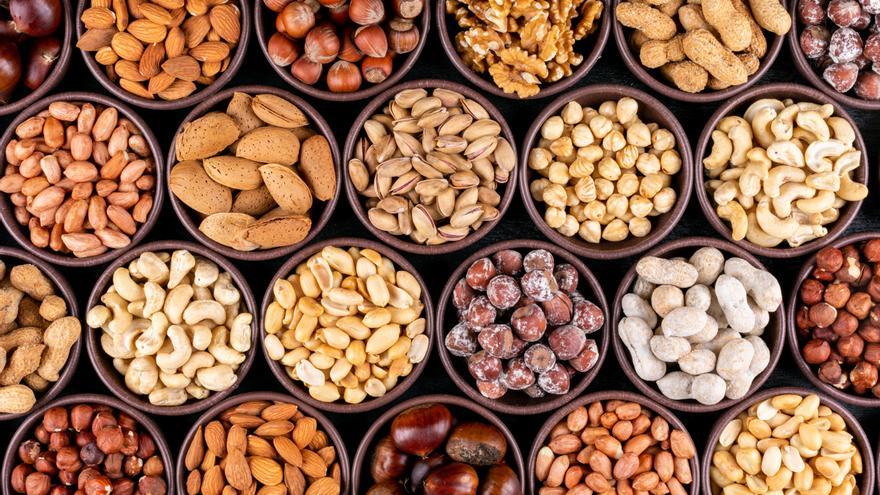
Integrating specific nutrient-dense foods into a daily diet can significantly impact long-term health outcomes, with research consistently highlighting that not all nuts offer the same cardiovascular and metabolic benefits. While nuts are generally recognized as a source of healthy fats, fiber, and protein, clinical evidence suggests that certain varieties possess superior profiles for promoting longevity and reducing the risk of chronic disease.
As a physician, I have observed that dietary patterns emphasizing plant-based fats, particularly those found in specific tree nuts, correlate with improved lipid profiles and reduced systemic inflammation. According to a comprehensive analysis published by the American Heart Association, regular nut consumption is associated with a lower risk of cardiovascular disease and coronary heart disease. However, the nutritional density—specifically the ratio of omega-3 fatty acids to saturated fats—varies significantly between species, which dictates their potential impact on life expectancy.
The Nutritional Hierarchy of Tree Nuts
Walnuts frequently emerge as a standout in nutritional studies due to their high concentration of alpha-linolenic acid (ALA), a plant-derived omega-3 fatty acid. Research indicates that ALA plays a critical role in maintaining endothelial function and supporting heart health. Unlike other nuts that are primarily monounsaturated fat sources, walnuts provide a unique profile that has been linked to improved cognitive function and arterial health in aging populations.
Almonds and pistachios, while equally beneficial, offer different primary advantages. Almonds are particularly high in vitamin E and magnesium, nutrients essential for oxidative stress management. Data from the National Institutes of Health suggests that the specific polyphenols found in almond skins work synergistically with other dietary antioxidants to protect against cellular damage. When choosing nuts for longevity, diversity in intake is often more effective than relying on a single source, as different nuts provide complementary micronutrients.
Impact on Metabolic Health and Longevity
The relationship between nut consumption and longevity is largely mediated through metabolic health. Chronic inflammation and insulin resistance are primary drivers of age-related decline. Nuts are low-glycemic foods that, when consumed in place of refined carbohydrates or processed snacks, help stabilize blood glucose levels. This shift is essential for preventing metabolic syndrome, a cluster of conditions that includes high blood pressure, high blood sugar, and excess body fat around the waist.
A study published in The BMJ followed large cohorts over several decades and found that individuals who consumed nuts at least twice per week had a lower risk of all-cause mortality compared to those who rarely consumed them. The researchers attributed these findings to the protective effects of nut-derived bioactive compounds on systemic health, noting that the benefits remained significant even after adjusting for lifestyle factors such as exercise and smoking status.
Practical Considerations for Daily Consumption
While the health benefits are well-documented, caloric density remains a practical concern. Nuts are calorie-dense, and portion control is vital to avoid unintended weight gain, which can negate the metabolic benefits. A standard serving size is typically considered to be one ounce, or approximately 28 grams. For most adults, this equates to a small handful.
To maximize the health benefits, I recommend the following practices:
- Prioritize Raw and Unsalted: Many commercial nut products are processed with added oils, sugars, or excessive sodium, which can counteract their cardiovascular benefits.
- Incorporate Variety: Rotating between walnuts, almonds, Brazil nuts, and pistachios ensures a broader spectrum of essential minerals like selenium and zinc.
- Focus on Substitution: The most significant health gains occur when nuts replace less healthy snacks, such as potato chips or refined grain products.
For those interested in the latest clinical guidelines regarding dietary patterns and healthy aging, the World Health Organization provides comprehensive resources on maintaining a balanced diet throughout the life course. These guidelines emphasize the importance of whole foods over supplementation for achieving long-term health objectives.
Future Research and Clinical Outlook
Current research continues to explore the role of the gut microbiome in how we metabolize the nutrients found in nuts. Preliminary findings suggest that the fiber and polyphenols in nuts act as prebiotics, fostering a diverse and healthy gut environment, which is increasingly linked to immune function and longevity. As we await further long-term clinical trials to quantify the specific impact of nut intake on lifespan extension, the current consensus remains that nuts are a foundational component of a heart-healthy, longevity-focused diet.
Readers are encouraged to consult with their primary care physician before making significant changes to their diet, especially if they have pre-existing conditions such as nut allergies or metabolic disorders. For updates on nutritional science and clinical health trends, you can follow our ongoing coverage at our Health section. We welcome your questions and experiences regarding dietary changes in the comments section below.
Worth a look