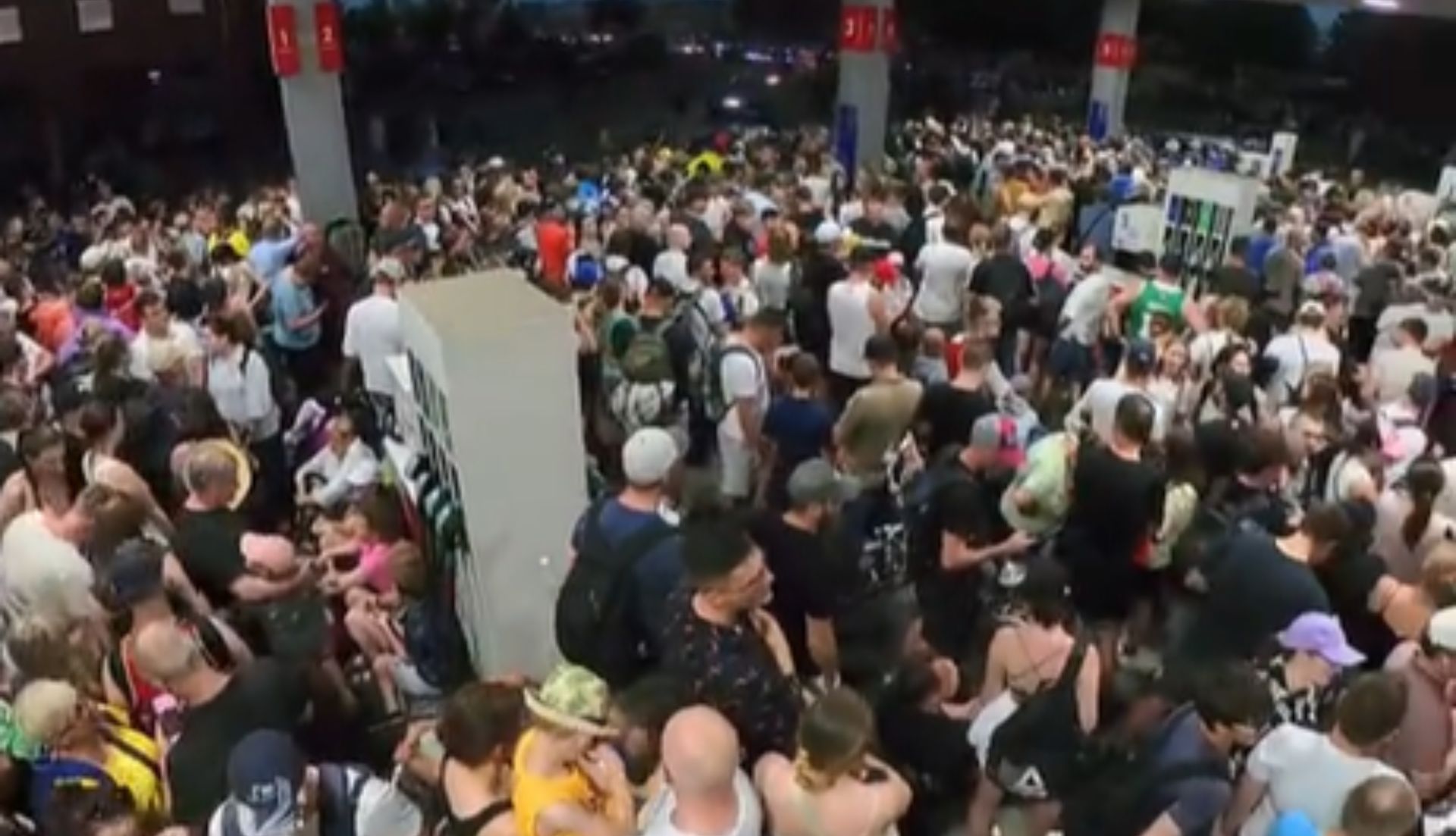
Severe weather conditions forced the abrupt cancellation of aerial training exercises at the Leszno Airshow in Poland, as high-velocity winds and storm activity created hazardous conditions for both participants and spectators. According to local emergency services and event organizers, the rapidly deteriorating weather caused significant damage to ground infrastructure, including the destruction of temporary structures, shortly before the scheduled festivities were set to commence.
The incident occurred as a cold front moved through the region, bringing intense gusts that challenged the safety protocols of the aviation event. While initial reports highlighted the disruption to the flight schedule, official statements confirmed that the priority remained the safety of the thousands of attendees gathered at the airfield. The abrupt nature of the weather shift serves as a stark reminder of the volatility inherent in outdoor aviation events, where flight safety is strictly governed by meteorological thresholds.
Operational Impact of the Leszno Weather Incident
The disruption at the Leszno airfield was triggered by a sudden convective storm that produced localized wind gusts strong enough to displace heavy equipment. Official reports from the ground indicated that several tents and temporary event installations were damaged or blown over by the force of the wind, necessitating an immediate suspension of all ground and air operations. As noted by TVN24, the visual evidence of the storm’s impact showed a scene of significant disarray, with authorities acting quickly to secure the site and ensure the safety of the public.
The decision to halt the training session was made in accordance with standard aviation safety regulations, which mandate the grounding of all aircraft when surface winds or visibility fall outside of established operational parameters. These guidelines are designed to mitigate risks to pilots maneuvering in close proximity to crowds, as well as to prevent structural failures of ground-based support equipment. The prompt intervention by event staff prevented what could have been a more severe outcome, given the density of the crowd present at the time.
Pilot Safety and Incident Reporting
During the chaos caused by the storm, concerns were raised regarding the safety of the flight crews involved in the training exercises. Reports confirmed that at least one pilot sustained injuries during the weather-related incident. Official communication channels have emphasized that the individual received immediate medical attention, though detailed information regarding the pilot’s status remains subject to ongoing assessments by local health authorities and event organizers. According to Onet, the investigation into the specific circumstances surrounding the pilot’s injury is currently underway to determine if the damage to ground infrastructure played a direct role in the accident.
The management of an airshow requires coordination between flight directors, meteorological services, and local law enforcement. In this instance, the rapid transition from calm conditions to a severe storm left a very narrow window for decision-making. Aviation safety experts often cite such “microburst” or sudden gust events as the most unpredictable variables in airshow management, as they can manifest in minutes, leaving little time for aircraft to return to a secure hangar or for ground crews to anchor temporary structures effectively.
Safety Protocols for Public Aviation Events
For those planning to attend future aviation displays, it is essential to monitor official local weather alerts and the specific event’s social media channels for real-time updates. Organizers in Leszno were forced to communicate the cancellation to a large, dispersed crowd, highlighting the importance of clear public address systems and digital notifications during emergency situations. The Civil Aviation Authority (Urząd Lotnictwa Cywilnego) provides comprehensive guidelines on the requirements for organizing mass aviation events in Poland, which include mandatory weather monitoring and emergency evacuation plans for all attendees.
The incident in Leszno serves as a case study for event organizers nationwide regarding the necessity of robust weather-contingency planning. While the primary focus is often on the flight display, the safety of the ground-based infrastructure—such as spectator enclosures and vendor zones—is an equally critical component of the overall safety assessment. Moving forward, authorities are expected to review the specific sequence of events that led to the damage in Leszno to refine future safety protocols for large-scale public gatherings.
Official updates regarding the potential rescheduling of the affected training sessions or future airshow dates will be disseminated through the official municipal channels of Leszno and the event’s primary organizers. Attendees who were present during the incident are encouraged to follow local news outlets for any further safety advisories or instructions regarding the recovery of lost property or event-related inquiries. We will continue to monitor the situation as official investigative reports are finalized by the relevant aviation safety boards.
Have you been impacted by the recent weather events in Leszno, or do you have information regarding the safety measures at the airfield? Share your perspective in the comments section below or join the conversation on our social media platforms.
Related reading