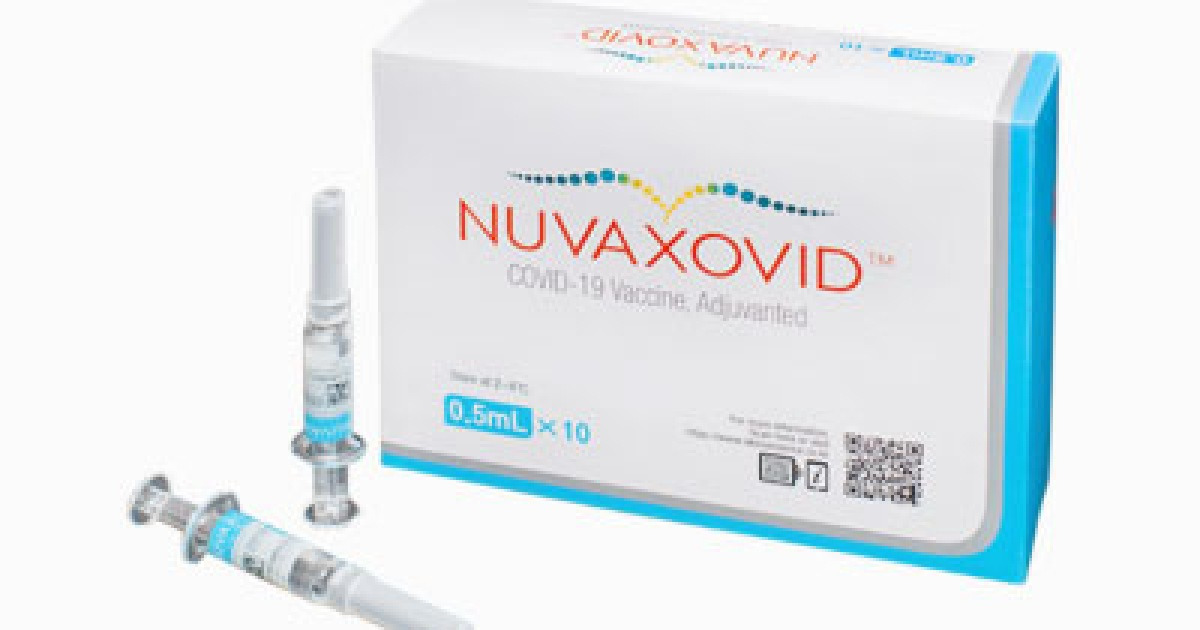
Novavax has released new data from a direct comparison study showing its protein-based COVID-19 vaccine, NVX-CoV2373 (marketed as Novavax COVID-19 Vaccine, Adjuvanted), produces fewer systemic side effects than Moderna’s updated mRNA vaccine in adults. The findings come from a Phase 4 trial presented at the European Congress of Clinical Microbiology and Infectious Diseases (ECCMID) in Munich on April 18, 2026.
The study, which enrolled 1,000 U.S. Adults randomized to receive either Novavax’s vaccine or Moderna’s mRNA-based shot, found that 84% of recipients of the protein-based vaccine reported experiencing at least one systemic adverse event—such as fatigue, headache, or fever—within seven days of vaccination. In contrast, 92% of those who received Moderna’s vaccine reported similar symptoms, indicating a statistically significant difference in favor of Novavax’s formulation.
More notably, the rate of severe side effects that interfered with daily activities was less than 10% in the Novavax group, compared to 20% in the Moderna group—a twofold reduction. Local injection site reactions, including pain, redness, and swelling, were also reported less frequently and with lower intensity following Novavax vaccination.
Dr. Marcel Curlin, lead investigator from Oregon Health & Science University, emphasized that vaccine hesitancy is often driven by concerns about side effects. “The lower reactogenicity profile of protein-recombinant vaccines like Novavax’s could support higher uptake in populations sensitive to post-vaccination discomfort,” he stated during the ECCMID presentation.
Novavax’s vaccine uses a different technological approach than mRNA platforms. It delivers a stabilized version of the SARS-CoV-2 spike protein assembled into nanoparticles, combined with Matrix-M adjuvant to enhance immune response. This method does not involve genetic material instructing cells to produce antigens, distinguishing it from both mRNA and viral vector vaccines.
Even as mRNA vaccines have been widely used since late 2020 and demonstrate high efficacy against severe disease, some individuals report stronger short-term reactions after dosing. Protein subunit vaccines, by contrast, have a longer history in immunization—used in vaccines for hepatitis B and human papillomavirus—and are often associated with milder reactogenicity profiles.
The April 2026 trial adds to growing real-world evidence comparing vaccine platforms beyond initial efficacy metrics. Regulatory bodies including the U.S. Food and Drug Administration (FDA) and the European Medicines Agency (EMA) continue to monitor safety data across all authorized COVID-19 vaccines through passive and active surveillance systems.
As of early 2026, Novavax’s vaccine remains authorized for utilize in individuals aged 12 and older in the United States and the European Union, primarily as a primary series or booster dose. Moderna’s updated mRNA vaccine, targeting recent Omicron subvariants, received authorization in late 2025 for similar age groups.
Health experts note that while side effect profiles differ, all authorized COVID-19 vaccines provide substantial protection against hospitalization and death. Choice of vaccine may increasingly depend on individual tolerance for short-term reactions, access, and personal or clinical preferences.
Ongoing studies are evaluating the durability of immune response and effectiveness against emerging variants across vaccine types. Updated guidance from public health agencies is expected later in 2026 following review of longitudinal data.
For the most current information on vaccine recommendations and safety monitoring, individuals are encouraged to consult official sources such as the Centers for Disease Control and Prevention (CDC) or their national public health institute.
What are your thoughts on vaccine choice and side effect considerations? Share your experience in the comments below and help inform others navigating these decisions.