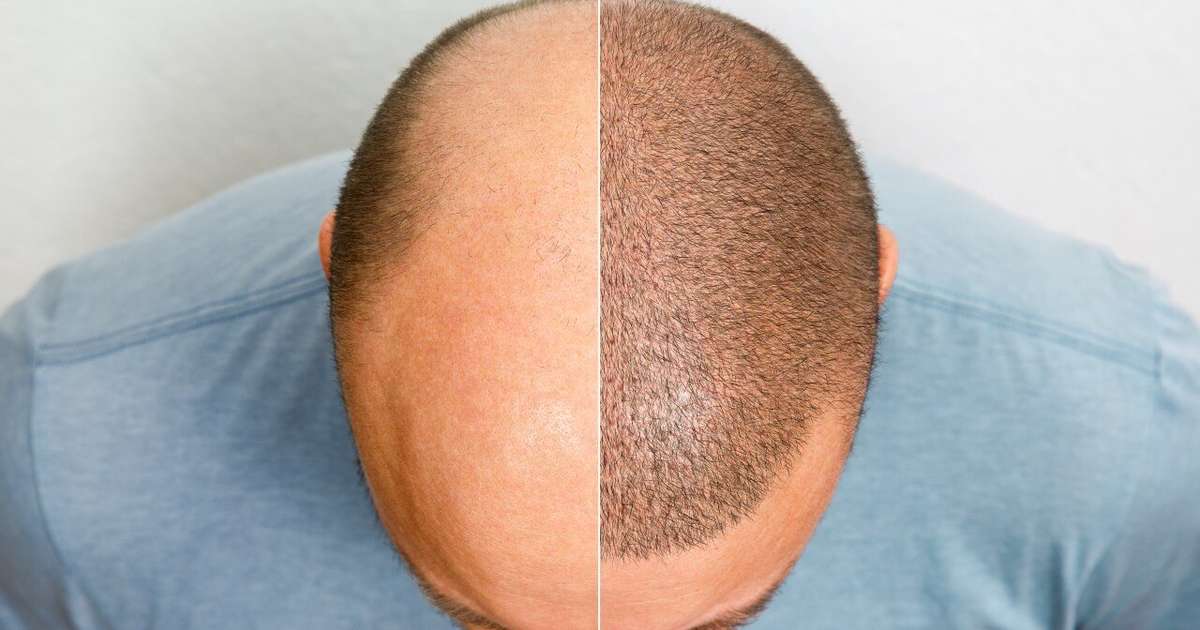
A recent clinical trial has shown that a new oral formulation of minoxidil, designed for extended-release, significantly increases hair growth in men experiencing androgenetic alopecia. According to data presented from a study involving 519 participants, the experimental treatment demonstrated a measurable increase in hair density compared to a placebo group, marking a potential shift in how clinicians approach common hair loss treatments. The study, which evaluated the efficacy and safety of this specialized delivery mechanism, is currently being reviewed by the broader medical community as researchers look toward future regulatory pathways for widespread clinical application.
As a physician, I frequently see patients looking for reliable, evidence-based alternatives to topical treatments, which can often be cumbersome or cause skin irritation. This development is notable because it moves away from traditional localized application—the standard for decades—toward a systemic approach that aims to improve patient adherence and outcomes. While the results are encouraging, it is essential to distinguish between preliminary clinical findings and approved medical therapies, as the path to market for any new pharmaceutical requires rigorous oversight by agencies such as the U.S. Food and Drug Administration (FDA).
How the Extended-Release Mechanism Functions
The primary innovation in this trial is the use of extended-release technology applied to minoxidil, a medication long established for its vasodilatory effects. By modifying the pharmacokinetic profile of the drug, the formulation aims to maintain consistent therapeutic levels in the bloodstream, theoretically reducing the peaks and troughs associated with standard, non-extended-release oral medications. According to the National Center for Biotechnology Information (NCBI), managing drug delivery to minimize side effects—such as unwanted systemic hypotension or tachycardia—is a critical component of treating hair loss with oral minoxidil.
In this study, the extended-release version was compared against a placebo, with researchers documenting a fourfold increase in hair growth among the treatment group. This quantitative result suggests that the controlled release may optimize the stimulation of hair follicles in the anagen, or growth, phase. However, clinical researchers emphasize that efficacy must always be balanced against the safety profile, particularly regarding cardiovascular health, given that minoxidil’s original clinical use was as a potent antihypertensive agent.
Understanding Androgenetic Alopecia
Androgenetic alopecia, or male pattern baldness, remains the most common form of hair loss globally. It is characterized by a genetically determined sensitivity to dihydrotestosterone (DHT), which leads to the progressive miniaturization of hair follicles. Current standard-of-care treatments typically include topical minoxidil or oral finasteride, both of which have well-documented profiles in the American Academy of Dermatology (AAD) guidelines.
The introduction of a new oral option addresses a significant gap for patients who find topical minoxidil inconvenient or ineffective due to poor absorption. By providing a systemic option that potentially bypasses the need for daily scalp application, the treatment may improve long-term compliance. As noted by dermatological researchers, adherence is often the most significant barrier to successful outcomes in chronic conditions like alopecia. Patients interested in these developments should consult with a board-certified dermatologist to discuss currently approved therapies and remain informed about future, FDA-cleared options.
The Path to Regulatory Approval
For any medication to move from a successful clinical trial to a pharmacy shelf, it must undergo a multi-phase approval process. The trial involving 519 patients represents a significant step, but it is not the final stage. Pharmaceutical developers are required to submit extensive data packages to regulatory bodies, including information on long-term safety, potential drug interactions, and manufacturing consistency. According to the European Medicines Agency (EMA), the marketing authorization process is designed to ensure that the benefit-risk balance remains favorable for the general public.
As of this writing, there is no official timeline for the commercial availability of this specific extended-release minoxidil formulation. The next steps for the research team will likely involve larger-scale, multi-center trials to corroborate these initial findings across more diverse populations. These trials are essential for identifying rare side effects that may not appear in smaller groups. We will continue to monitor updates from official regulatory filings and peer-reviewed journals to provide our readers with the most accurate information regarding this treatment.
If you found this report helpful, please share it with those interested in the latest developments in medical innovation. For questions or further discussion on dermatological health, feel free to leave a comment below.
Worth a look