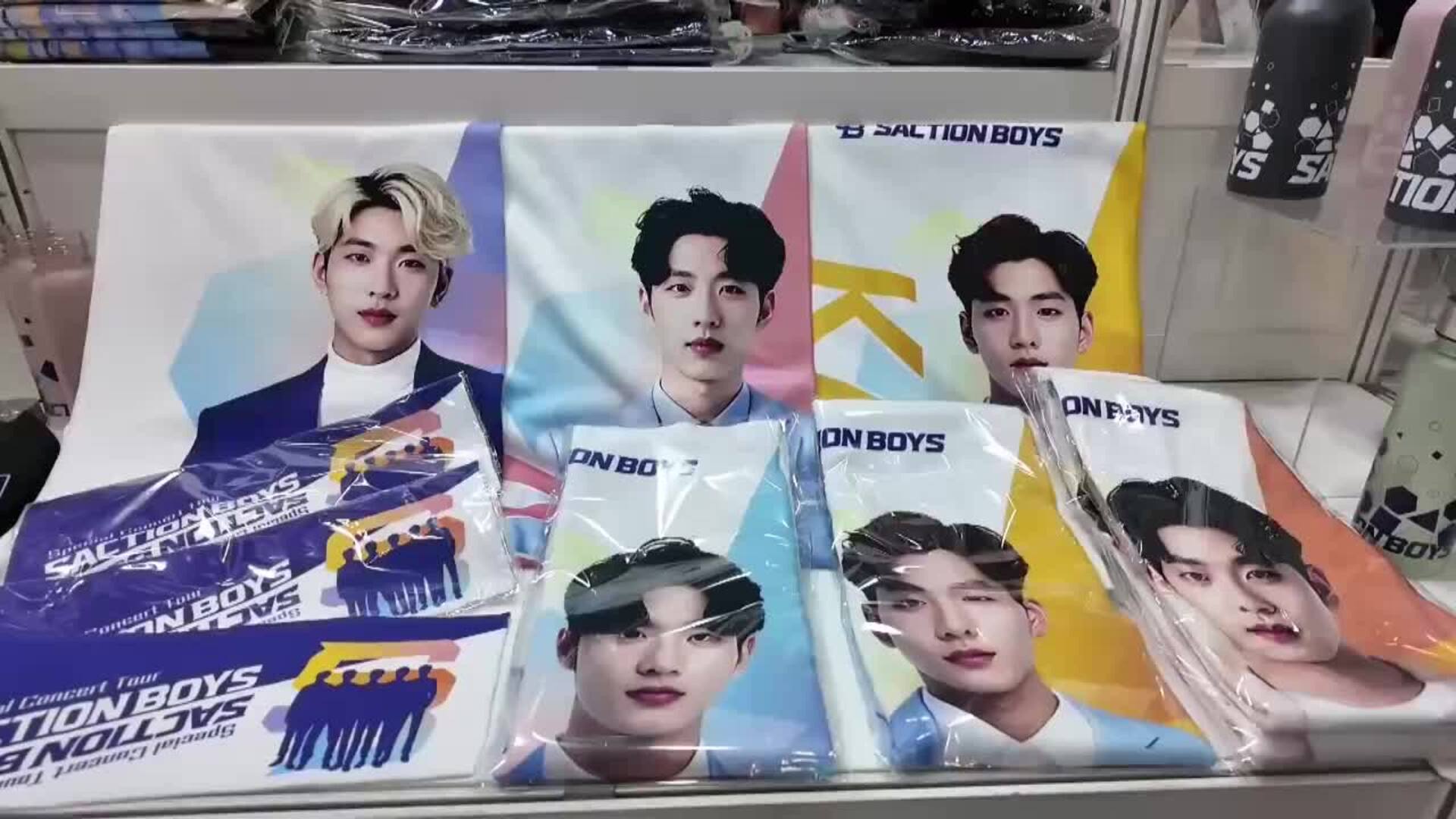
Tokyo is currently hosting one of Japan’s largest industry events dedicated to “oshikatsu”—the cultural phenomenon of intense, dedicated support for a specific celebrity or fictional character. The event highlights the growing economic and social footprint of fan-led consumer behavior in Japan, where fans actively invest time and capital into promoting their chosen “oshi,” or favorite personality, through merchandise, event attendance, and social media advocacy.
The term “oshikatsu” (推し活) has evolved from a niche subculture of idol enthusiasts into a mainstream lifestyle movement. According to data from the Nomura Research Institute, the market for “oshi” activities has expanded significantly, influencing sectors ranging from retail and hospitality to tourism and digital services. This fan-driven economy is characterized by a high degree of brand loyalty and collective action, as supporters organize to boost the visibility and success of their favorite figures.
Recent industry reports indicate that companies are increasingly tailoring marketing strategies to accommodate these fan communities. By offering specialized merchandise, designated “fan zones,” and interactive digital experiences, businesses are tapping into the Japanese consumer market’s appetite for parasocial engagement. The current exhibition in Tokyo serves as a central hub for these trends, bringing together manufacturers, content creators, and fan groups to discuss the future of the industry.
The Evolution of Fan Culture in Japan
The “oshikatsu” phenomenon is rooted in the long-standing Japanese tradition of idol culture, but it has gained new momentum through social media. Unlike traditional fan clubs, modern “oshikatsu” involves a more proactive approach to advocacy. Fans often engage in “nuno-katsu” (spreading the word about their favorite) and financial support, such as purchasing multiple copies of a single album or funding crowdfunding campaigns for billboards and advertisements to celebrate an idol’s birthday or career milestone.

Sociologists point to the sense of community as a primary driver. By participating in fan activities, individuals form social bonds that transcend the digital space. This collective identity has turned fan support into a structured economic force. According to a report by the Ministry of Economy, Trade and Industry (METI), the integration of entertainment and consumer goods remains a vital component of Japan’s domestic growth strategy, particularly as companies seek to reach younger demographics through digital-first engagement.
Economic Impact and Corporate Strategy
The commercialization of “oshikatsu” is evident in the variety of products now marketed specifically for superfans. From clear pouches designed to display “trading cards” (often called “oshi-goods”) to color-coded accessories that match an idol’s official image color, the retail sector has seen a surge in demand for customizable fan gear.
Businesses are not just selling products; they are selling experiences. Hotels have introduced “oshikatsu plans,” which provide rooms equipped with high-quality projectors and sound systems, allowing fans to host “screening parties” for their favorite concert footage or television appearances. This trend has been documented by the Japan National Tourism Organization as a unique niche in the domestic travel market, as fans frequently travel across the country to attend local events or visit “sacred sites” associated with their favorite personalities.
What Happens Next for the Fan Economy
As the “oshikatsu” market continues to mature, industry observers expect a shift toward more sophisticated digital integration. The rise of virtual influencers and AI-driven content is expected to create new avenues for fan engagement, potentially lowering the barrier for international fans to participate in the ecosystem.
The current Tokyo exhibition serves as a barometer for these developments, providing a space for stakeholders to align on safety standards, ethical fan behavior, and the sustainability of the “oshi” economy. For companies, the challenge lies in maintaining the authenticity of the fan-idol relationship while scaling operations to meet global interest. Future updates regarding industry regulations and consumer protection policies related to fan spending are expected to be discussed in subsequent trade forums later this year.
Readers interested in the latest developments within the Japanese entertainment industry can monitor official releases from major media conglomerates and trade associations for updates on upcoming exhibitions and market trends. We invite our readers to share their thoughts on the evolution of fan culture in the comments section below.
Related reading