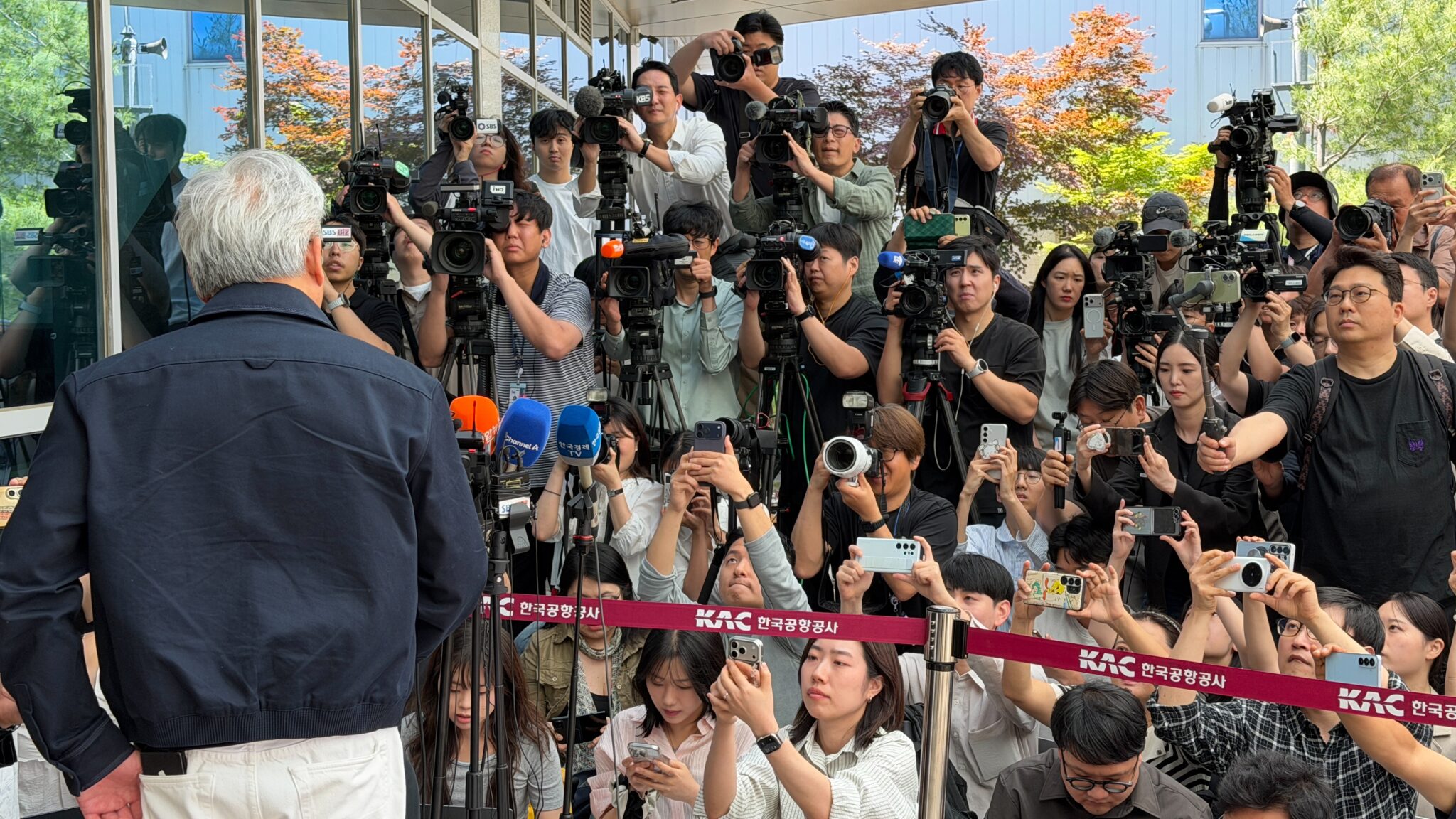
NVIDIA founder and CEO Jensen Huang arrived in Seoul this week for a series of high-level meetings, underscoring South Korea’s pivotal role in the global artificial intelligence supply chain. As the semiconductor industry navigates a period of unprecedented demand for generative AI infrastructure, Huang’s visit highlights the strategic alignment between the California-based tech giant and its key Korean partners.
The visit follows the recent GTC Taipei event held during COMPUTEX, where NVIDIA showcased its latest advancements in hardware and software ecosystems. For industry observers, the trip serves as a critical temperature check on the state of global AI infrastructure buildouts, with South Korea’s specialized manufacturing capabilities remaining a cornerstone of NVIDIA’s operational strategy for the remainder of 2026.
Aligning the Global AI Supply Chain
Speaking to the media shortly after his arrival, Huang emphasized that the primary objective of his stay in Seoul is to synchronize supply chain logistics ahead of a demanding second half of the year. The company is currently managing a significant expansion of AI infrastructure, a task that relies heavily on the high-bandwidth memory (HBM) and advanced packaging solutions provided by Korean firms. According to the official NVIDIA press portal, the company maintains robust partnerships with major players in the region to meet the surging requirements of hyperscale data centers.
“We have a very significant, very large AI infrastructure buildout — already a very successful first half,” Huang told media. “Grace Blackwell, our system, is doing very well, and Vera Rubin is in full production — so we are going to be very busy the second half [of the year].”
The “Grace Blackwell” platform represents the latest iteration of NVIDIA’s accelerated computing architecture, designed to handle the massive computational loads required by modern large language models. The integration of these systems into global networks is contingent upon the steady, high-volume production of the underlying memory components, an area where South Korean manufacturers continue to lead the global market, as detailed in industry reports on semiconductor manufacturing trends.
Robotics and the Future of Physical AI
Beyond the immediate needs of data center hardware, Huang identified a burgeoning opportunity for Korea to leverage its existing industrial strength in the robotics sector. As AI transitions from digital chatbots to physical applications—often termed “physical AI”—the intersection of robotics, sensor fusion, and edge computing becomes increasingly vital.
“Robotics is going to be the next major sector here in Korea — Here’s a great opportunity for Korea to invest in AI,” Huang stated during his visit. This perspective aligns with broader industry observations regarding the shift toward autonomous manufacturing and service robotics, sectors where Korea has historically demonstrated significant innovation, as monitored by the IEEE regarding advancements in robotics and automation.
The potential for “physical AI” in Korea extends to the integration of AI-driven navigation and decision-making in everything from consumer electronics to large-scale industrial automation. By combining NVIDIA’s software stack, such as the Isaac robotics platform, with Korean hardware expertise, the partnership aims to accelerate the deployment of autonomous machines in real-world environments.
A Packed Schedule in Seoul
Huang’s itinerary in Seoul reflects the depth of the relationship between his company and the Korean tech ecosystem. The schedule includes discussions with leadership across the memory, robotics, and gaming industries. Gaming, in particular, remains a core pillar of the relationship; South Korea is home to one of the world’s most active and passionate gaming communities, which serves as a primary testing ground for new graphics technologies and high-performance computing requirements.
Amidst the high-stakes corporate strategy sessions, Huang has also embraced the local culture, specifically highlighting the culinary scene. When asked about his time in the city, Huang remarked, “It’s all delicious,” referring to his opportunities to sample local Korean fried chicken and BBQ.
As the industry looks toward the second half of 2026, the collaboration between NVIDIA and its Korean partners will likely remain a key indicator of the broader health of the global technology sector. With production lines for the Vera Rubin architecture now in full swing, the focus shifts to ensuring that the global supply chain can sustain the rapid pace of innovation required by the ongoing AI revolution.
Stay tuned to the World Today Journal for further updates as this story develops. We invite our readers to share their thoughts on the future of AI infrastructure and the impact of these strategic partnerships in the comments section below.
Worth a look